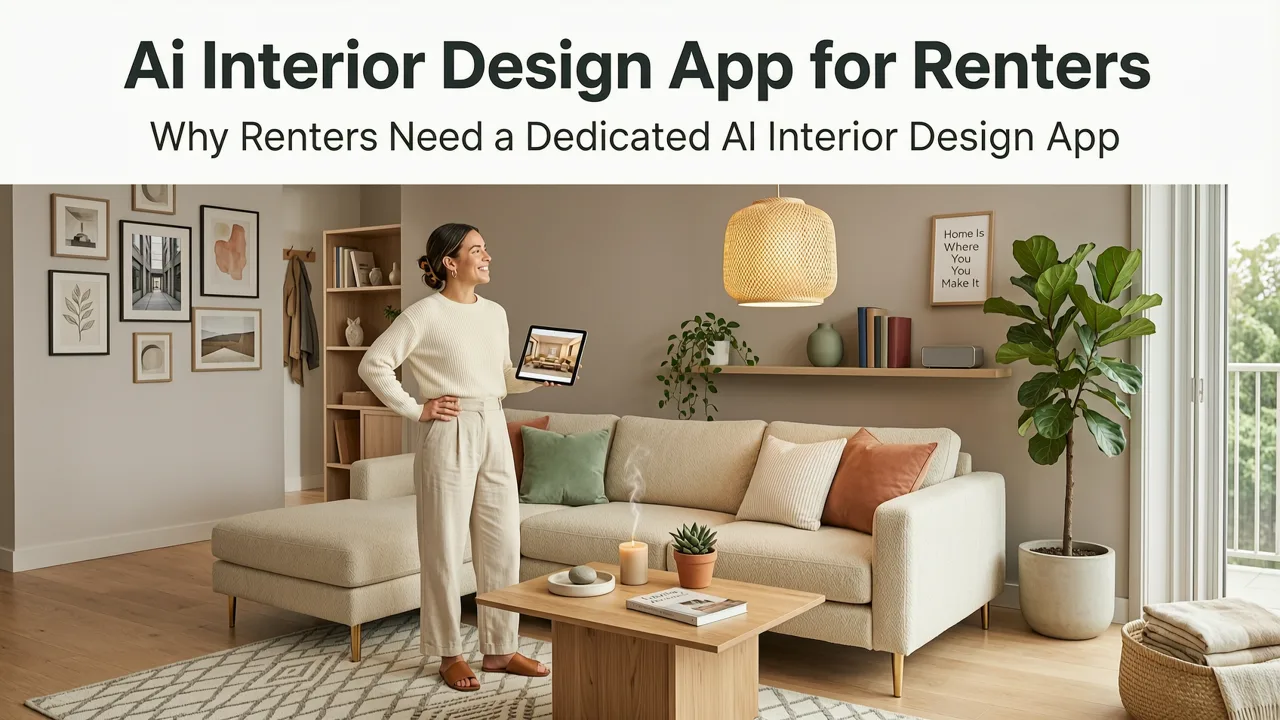
Why Renters Need a Dedicated AI Interior Design App
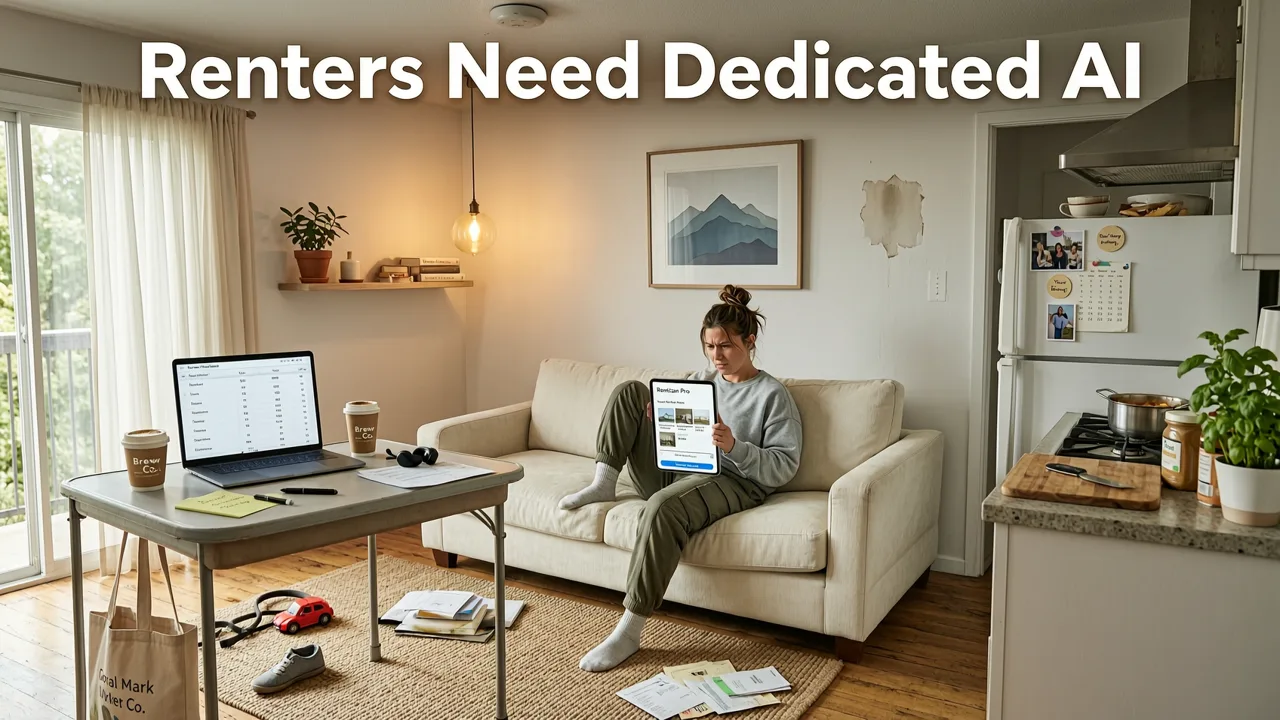
Renting a home does not mean you have to settle for a bland, uninspiring space. However, transforming a rental property comes with unique challenges, primarily the strict limitations imposed by lease agreements. Unlike homeowners, renters cannot knock down walls, replace flooring, or commit to permanent structural changes. This is where technology bridges the gap between imagination and reality. The best ai interior design app for renters in 2026 allows you to upload a photo of your current room and instantly generate photorealistic, lease-compliant makeover ideas without spending a dime on physical samples or professional designers.
By leveraging advanced spatial recognition and generative algorithms, modern visualization tools understand the constraints of rental living. They focus on reversible decor, strategic furniture placement, and aesthetic upgrades that can be easily removed when it is time to move out. This approach empowers tenants to curate a personalized sanctuary while keeping their security deposits fully intact.
Essential Features of the Best AI Interior Design App for Renters
Not all room visualizers are created equal, especially when it comes to the specific needs of a tenant. When evaluating the best AI interior design app 2026 has to offer, renters must look for features that prioritize flexibility and reversibility.
Trying NINE AI Interior Design Generators to Redesign my Living Room!
by Cozy DIY Home
Photorealistic Rendering for Accurate Previews
A high-quality app must produce true-to-room previews. If the lighting, shadows, and textures in the generated image do not match the physical dimensions and natural light of your actual rental, the visualization is practically useless. Advanced rendering engines analyze the existing geometry of your space, ensuring that a newly visualized velvet sofa fits perfectly in the corner without distorting the room's perspective.
Reversible Decor Focus
The most significant differentiator for a renter-focused tool is its ability to suggest lease-compliant upgrades. Instead of suggesting built-in cabinetry or hardwood floor installations, the AI should prioritize peel-and-stick wallpapers, removable tile decals, modular shelving, and strategic lighting fixtures. The platform should filter out permanent alterations and highlight temporary home upgrades that yield maximum visual impact.
Style Versatility and Customization
Rental units often feature generic, builder-grade finishes. A robust virtual interior styling tool should allow you to completely override these default aesthetics. Whether you want to transform a sterile white box into a moody maximalist haven or a warm minimalist retreat, the style library must be expansive. Customization sliders that let you adjust color palettes, texture density, and furniture silhouettes ensure the final design aligns perfectly with your personal taste.
Top Renter-Friendly Design Trends to Visualize in 2026
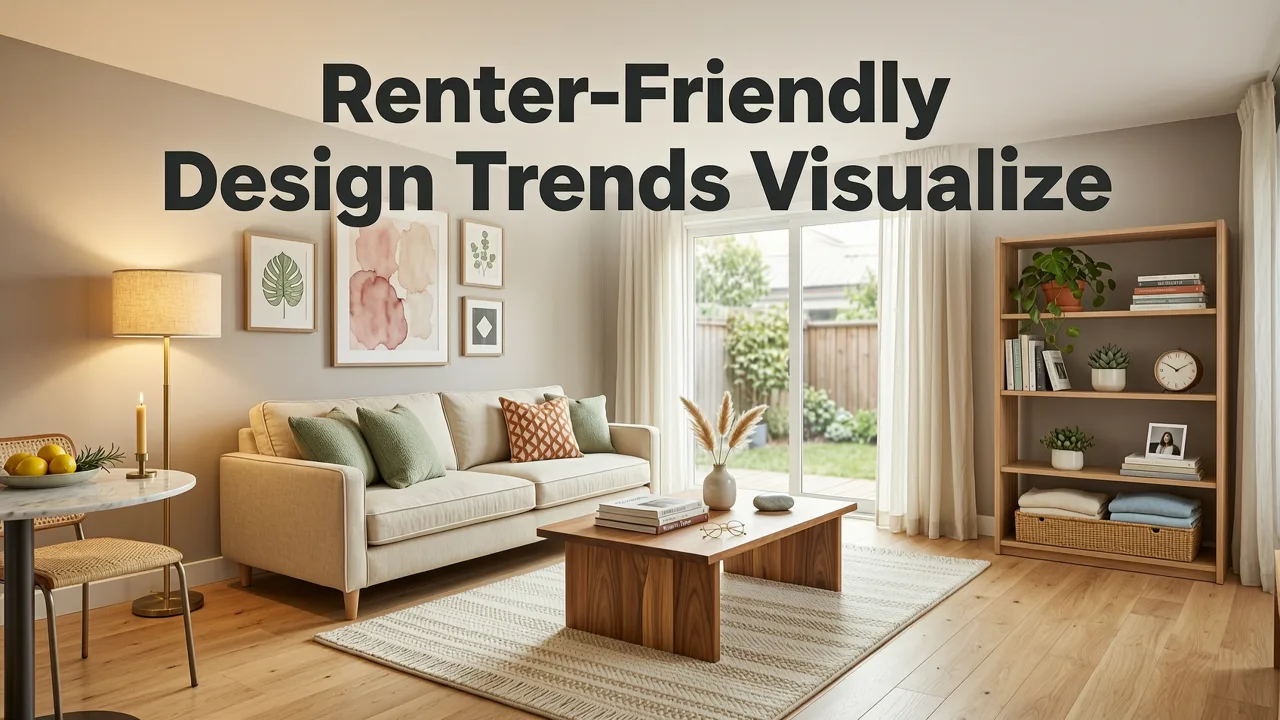
Before diving into the visualization process, it is helpful to know which aesthetics are dominating the current landscape. Exploring the top 2026 interior design trends reveals a strong shift toward authenticity, tactile experiences, and nature-inspired elements—all of which are highly achievable in a rental setting.
Warm Minimalism and Tactile Textures
Flat, sterile surfaces are out. The current movement favors warm minimalism, which relies on organic shapes, curved furniture, and rich, tactile textures. For renters, this means incorporating bouclé throw pillows, chunky knit blankets, and woven wall hangings. These items add depth and character to a room without requiring a single nail in the wall.
Biophilic 2.0: Beyond Houseplants
While large potted plants remain a staple, biophilic design in 2026 extends to natural materials and organic patterns. Visualizing your space with rattan light fixtures, jute rugs, and botanical-print removable wallpapers can bring the outdoors inside. This trend is particularly effective in urban apartments that lack direct access to green spaces.
Step-by-Step Guide to Visualizing Your Rental Makeover
Transforming your rental property using artificial intelligence is a straightforward process. Follow these ordered steps to achieve a professional-grade design plan.
- Capture the Space: Take a clear, well-lit photograph of your room. Ensure the camera is held at waist height and capture as much of the room as possible, including the floors and ceiling corners. This provides the AI with the necessary spatial data.
- Upload and Select a Style: Upload the photo to the platform and browse the style library. Select a category that matches your vision, such as "Mid-Century Modern" or "Scandinavian."
- Refine for Renter Constraints: Review the generated concepts. If the AI suggests permanent changes, use the customization tools to swap out heavy fixtures for freestanding alternatives or replace hardwired lighting with plug-in sconces.
- Finalize the Palette: Adjust the color scheme to ensure it complements the existing, unchangeable elements of your rental, such as the flooring or the landlord-approved cabinet colors.
- Execute with Temporary Solutions: Use the finalized visualization as a shopping list. Source peel-and-stick tiles, tension-rod curtains, and damage-free hanging strips to bring the digital concept to life.
Comparing AI Visualization Tools for Rental Spaces
Choosing the right platform requires understanding how different tools handle the nuances of rental design. Below is a comparison of features typically found in leading visualization software.
| Feature Category | Basic Room Visualizers | Advanced AI Design Apps |
|---|---|---|
| Renter-Friendly Focus | Low. Often suggests structural renovations. | High. Prioritizes reversible decor and furniture swaps. |
| Rendering Speed | Slow. Requires manual 3D modeling. | Instant. Generates photorealistic images in seconds. |
| Style Library | Limited to basic color swaps. | Extensive. Covers niche aesthetics and 2026 trends. |
| Existing Element Preservation | Poor. Often alters floors and walls permanently. | Excellent. Retains existing floors while changing wall decor. |
Translating AI Concepts into Real Rental Decor
Once you have a stunning visual concept, the next step is sourcing the physical items. One of the most impactful changes you can make in a rental is addressing the walls. If your landlord permits painting, choosing the right shade is crucial. You can explore various beige wall paint ideas for the living room to create a warm, neutral backdrop that makes your furniture pop. If painting is not an option, the AI can help you visualize how large-scale, removable wall murals or gallery wall arrangements will look in the exact dimensions of your space.
Furthermore, lighting plays a massive role in how a room feels. Rental apartments are notorious for harsh, overhead builder-grade lighting. Use your AI visualizations to test the placement of floor lamps, table lamps, and plug-in wall sconces. The software will show you how different lighting temperatures and positions affect the mood of the room, allowing you to buy the perfect fixtures with confidence.
The Role of Responsible AI in Home Design
As artificial intelligence becomes more integrated into daily life, the underlying technology powering these design tools continues to evolve. Modern image generation models are built on complex neural networks that require vast amounts of data to understand spatial relationships, lighting physics, and design principles. For those interested in the technical foundations of these capabilities, the OpenAI documentation provides deep insights into how large multimodal models process visual inputs and generate coherent, context-aware imagery.
Equally important is the ethical deployment of these technologies. Reputable design platforms adhere to strict guidelines regarding content generation, ensuring that the AI does not produce misleading representations of physical spaces or infringe on intellectual property. Understanding the Google AI guidance on responsible development helps users appreciate the safeguards in place that make these tools reliable, safe, and accurate for everyday home improvement planning.
Conclusion
Navigating the limitations of a lease agreement no longer means sacrificing your personal style. By utilizing a specialized AI interior design app, renters can bypass the guesswork, avoid costly mistakes, and confidently execute beautiful, reversible makeovers. The technology provides a risk-free sandbox to test bold ideas, ensuring that every piece of furniture and decor item you purchase serves a deliberate purpose in your curated space.
Ready to transform your rental into a dream home? Upload your first photo today and start visualizing your perfect space instantly with our AI Interior Design platform.