What Makes the Best AI Interior Design App 2026 Stand Out?

When searching for the best ai interior design app 2026 has to offer, homeowners, renters, and real estate professionals need a tool that bridges the gap between imagination and reality. The landscape of home renovation software has evolved dramatically. Today, leading platforms utilize advanced spatial computing and generative AI to deliver photorealistic room previews in seconds, eliminating the need for expensive 3D modeling or hiring a designer for initial concepts.
The standout applications of 2026 do more than just swap out furniture. They understand architectural context, lighting direction, and structural integrity. According to the OpenAI documentation on spatial reasoning models, modern AI interprets depth maps and perspective lines to ensure that generated designs respect the physical boundaries of a room. This means no floating sofas or warped doorframes—just accurate, true-to-scale visualizations that help you make confident renovation decisions.
Key Features to Look for in an AI Room Visualizer
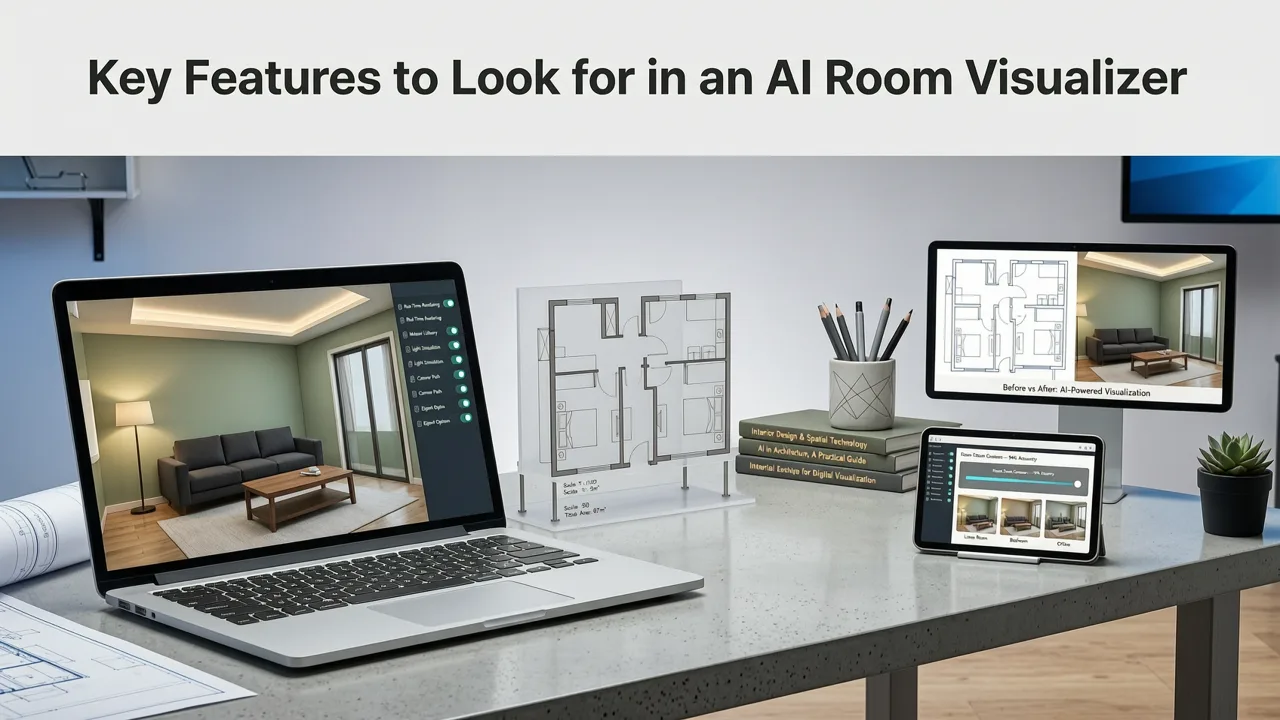
Selecting the right platform requires evaluating its core capabilities. The most effective tools share a specific set of features that ensure high-quality, usable outputs.
BEST AI TOOLS Interior Designer MUST USE in 2026
by Mia | The Portfolio Archive
Photorealistic Rendering Capabilities
The primary goal of any visualization tool is to produce images that look indistinguishable from real life. Top-tier apps use ray-tracing simulation and high-resolution texture mapping to render materials accurately. Whether you are visualizing matte cabinetry or glossy tile, the software must capture how light interacts with different surfaces.
Style Versatility and Customization
A robust application should offer a wide array of design styles, from mid-century modern and industrial to contemporary and traditional. More importantly, it should allow for granular customization. Users need the ability to tweak color palettes, adjust furniture placement, and modify material finishes without losing the original room's structural identity.
True-to-Room Proportions
Preserving the existing architecture is critical. The best tools utilize semantic segmentation to identify walls, floors, ceilings, and windows, ensuring that new design elements are applied only to the intended surfaces while keeping the room's original footprint intact.
Top AI Interior Design Apps Compared in 2026
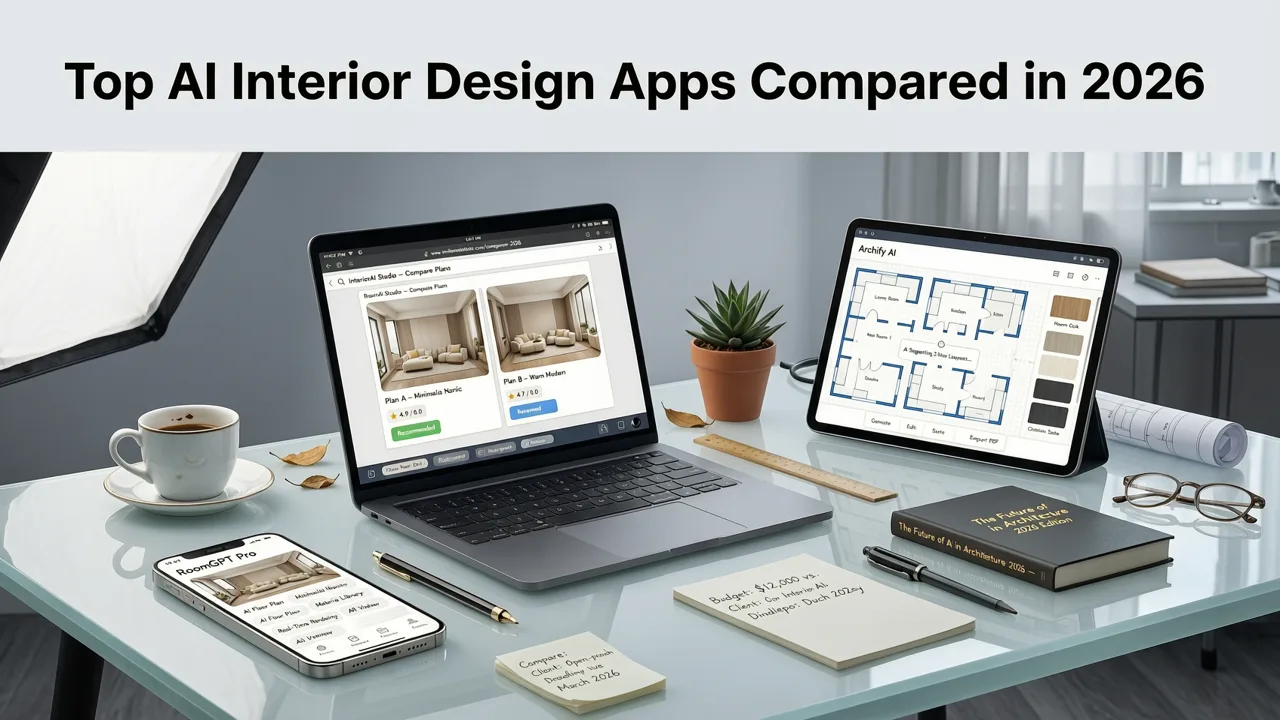
Evaluating the market reveals several strong contenders, each catering to slightly different user needs. Below is a comparison of the leading platforms available this year.
| Platform | Best For | Photorealism | Architectural Accuracy | Pricing Model |
|---|---|---|---|---|
| AIDesignInteriors | Homeowners & Realtors | Very High | Excellent | Freemium / Subscription |
| Homestyler | Detailed Floor Planning | High | Good | Subscription |
| Planner 5D | 3D Modeling & Layouts | Medium | Excellent | Freemium |
| Midjourney | Conceptual Inspiration | Very High | Low | Subscription |
While general image generators excel at conceptual inspiration, dedicated interior design apps like AIDesignInteriors are specifically engineered to maintain architectural accuracy, making them far more practical for actual renovation planning.
How to Use an AI Interior Design App for Your Home
Getting started with AI visualization is straightforward, but following a structured workflow ensures the best possible results.
Uploading and Analyzing Your Space
The process begins with capturing your current space. Take a clear, well-lit photograph of the room. Avoid extreme wide-angle lenses that distort proportions. Once uploaded, the AI analyzes the image, identifying the floor plane, wall boundaries, and existing architectural features like windows and fireplaces.
Selecting Styles and Generating Previews
After the room is mapped, you can select your desired design style. The AI then generates multiple variations based on your input. Review the outputs carefully, paying attention to how the new elements integrate with the existing lighting and shadows. Most platforms allow you to refine specific areas or regenerate the image with adjusted parameters.
AI Tools for Specific Home Areas
Different spaces in a home require unique design considerations. The best applications adapt their rendering engines to handle the specific demands of various rooms.
Visualizing Kitchens and Bathrooms
Kitchens and bathrooms are complex due to the integration of plumbing, appliances, and intricate tile work. Advanced AI tools recognize cabinetry layouts and countertop edges, allowing for precise material swaps. If you are exploring specific color schemes, you might also want to review resources like these 12 beige wall paint ideas for living room spaces, as neutral palettes often extend seamlessly from living areas into adjacent kitchens.
Exterior and Garden Transformations
AI is not limited to indoor spaces. Exterior visualization tools can redesign facades, update roofing materials, and completely transform landscaping. For outdoor spaces, finding the right tool is crucial for visualizing hardscaping and plant layouts. You can explore the best AI app for garden visualization in 2026 to see how specialized outdoor models handle sunlight, shadows, and seasonal plant variations.
Maximizing Your Design Workflow
To get the most out of AI design software, professionals and dedicated DIYers should utilize advanced workflow features.
Managing and Saving Projects
Renovation projects often require multiple iterations. Utilizing the AIDesignInteriors login allows you to save your progress, organize different design concepts, and share visualizations directly with contractors or family members. Cloud synchronization ensures your ideas are accessible from any device.
Focusing on Textures and Details
The difference between a good design and a great one often lies in the details. Using an AI textured wall preview tool enables you to visualize complex finishes like limewash, Venetian plaster, or exposed brick before committing to the physical materials. This level of detail prevents costly mistakes and ensures the final result matches your vision.
Ethical and Responsible AI Usage
As AI becomes more integrated into daily life, it is important to use these tools responsibly. Following the Google AI guidance on responsible development, leading design platforms ensure their models are trained on diverse datasets, avoiding biased design outputs and ensuring that generated visualizations represent a wide variety of architectural styles and cultural aesthetics accurately.
Conclusion
Finding the best ai interior design app 2026 offers comes down to balancing photorealism, architectural accuracy, and ease of use. By leveraging advanced spatial AI, homeowners and professionals can visualize renovations with unprecedented clarity, saving time and money before a single hammer is swung. Whether you are updating a single room or planning a full exterior makeover, the right AI visualization tool turns your design concepts into tangible, actionable plans.