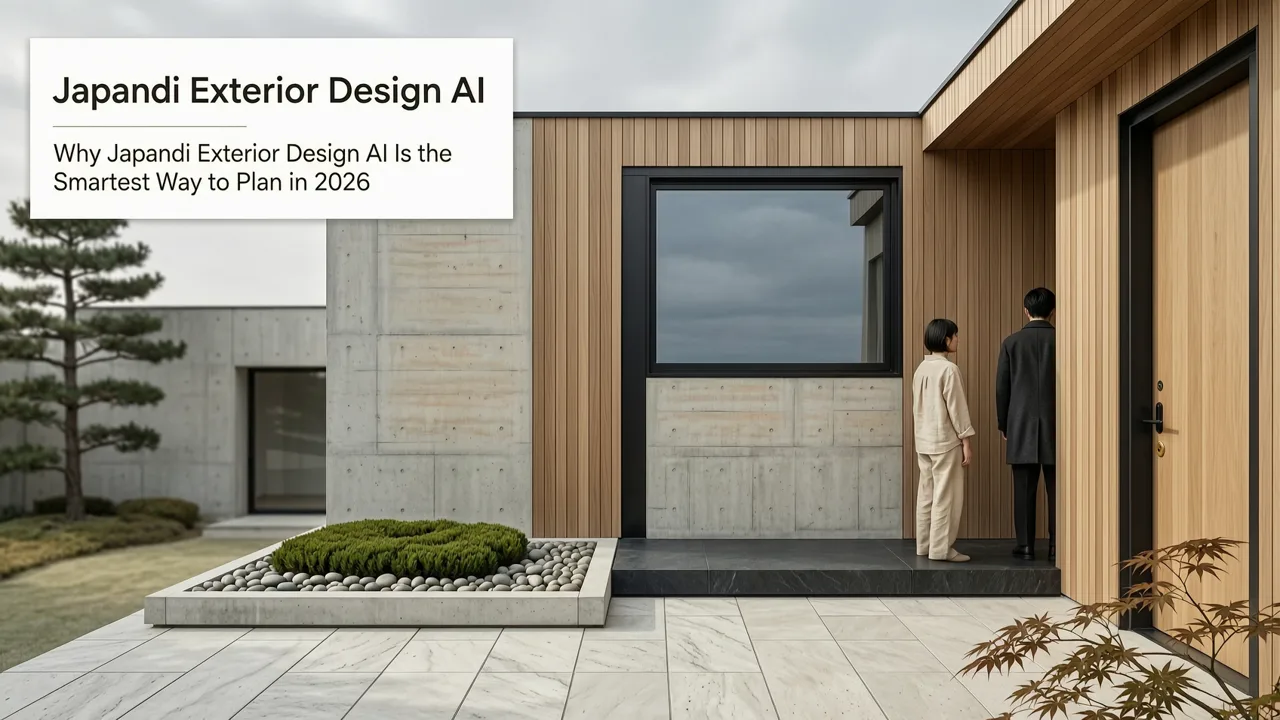
Why Japandi Exterior Design AI Is the Smartest Way to Plan in 2026
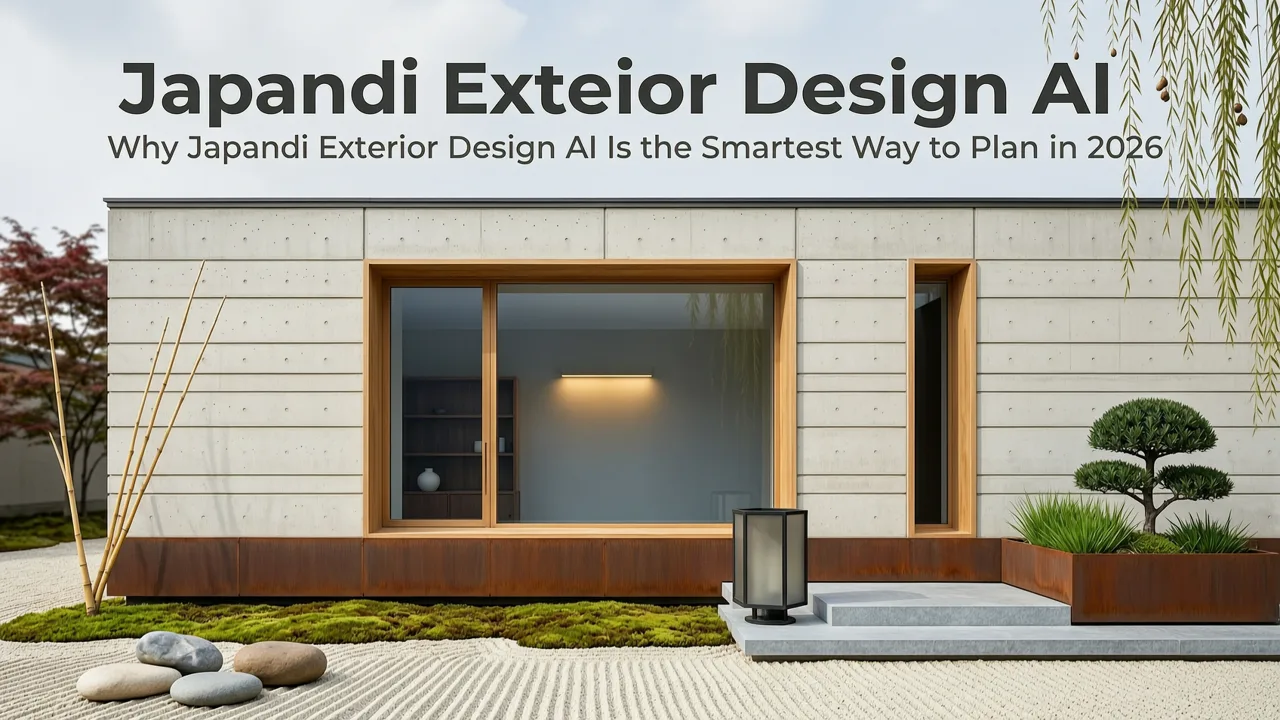
If you have ever struggled to translate the serene, balanced aesthetics of Japanese and Scandinavian design into a physical outdoor space, you already know the challenge of exterior renovations. Japandi exterior design ai tools solve this by letting you upload a photo of your current facade and instantly generating photorealistic, modern minimal outdoor spaces in seconds. This approach eliminates the need for expensive architects or complex 3D software, giving homeowners and designers a clear vision before any construction begins.
The Japandi style—a seamless blend of Japanese rustic minimalism and Scandinavian functionality—has dominated interior trends for years. Now, in 2026, this aesthetic is transforming curb appeal. However, applying these principles to an exterior requires a careful balance of natural materials, clean lines, and harmonious landscaping. Using an AI visualization tool allows you to test these elements against your actual home, ensuring the final result feels both grounded and elevated.
What Makes Japandi Exterior Design AI Different from Standard Renderings
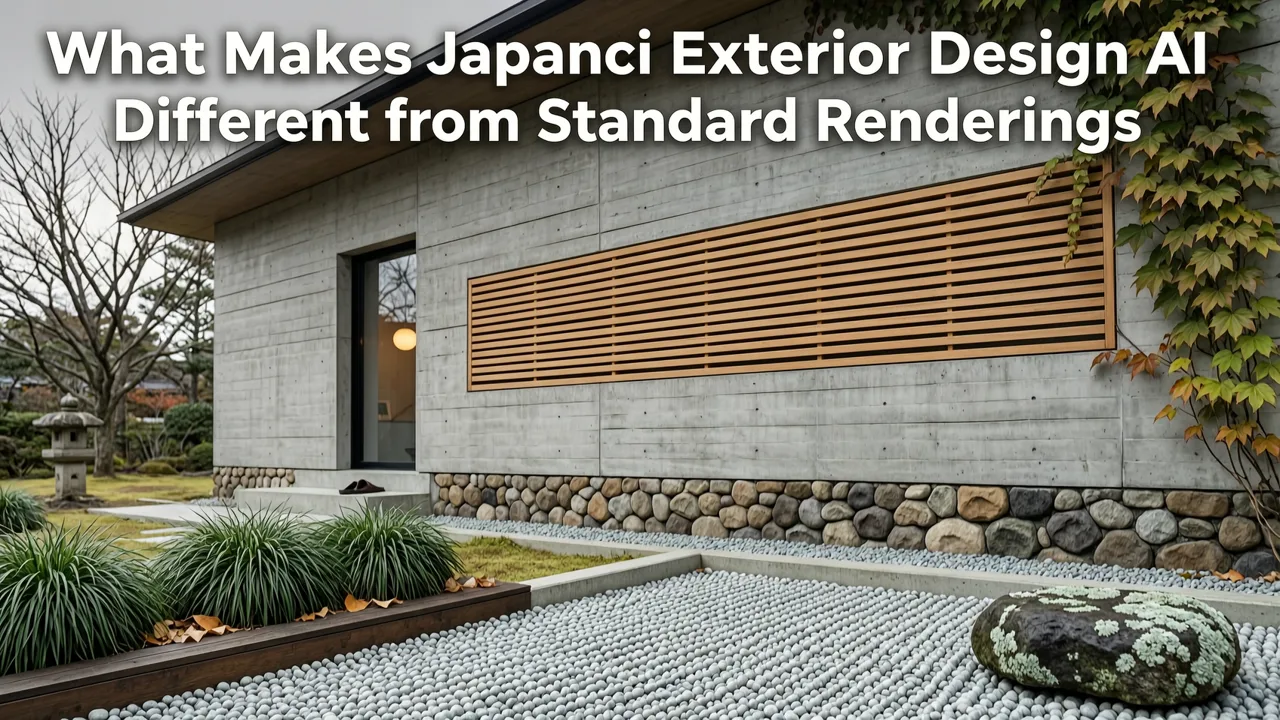
Traditional architectural renderings require weeks of manual modeling. In contrast, modern AI-driven design platforms use advanced machine learning to interpret your existing structure and apply new design parameters instantly.
MODERN JAPANESE STYLE HOUSE DESIGN | SECRETS OF JAPANESE MINIMALIST ARCHITECTURE: 10 INSPIRING HOMES
by Better Homes Designs
Understanding the Japandi Aesthetic for Outdoor Spaces
To get the best results from an AI generator, you must understand the core pillars of the style. Japandi exteriors rely on wabi-sabi (finding beauty in imperfection) combined with Nordic hygge (warmth and simplicity). Key visual elements include:
- Natural Materials: Unpainted wood, natural stone, and textured concrete.
- Neutral Color Palettes: Warm greys, soft whites, earthy browns, and muted greens.
- Clean Geometry: Flat or low-pitch roofs, sharp window frames, and uncluttered lines.
- Nature Integration: Seamless transitions between the built structure and the surrounding garden.
How the AI Interprets Your Existing Facade
Advanced generative models, as detailed in resources like the OpenAI documentation, use deep learning to understand structural boundaries, lighting, and perspective. When you upload a photo, the AI does not just paste a generic house over your image. It analyzes your roofline, window placements, and driveway, preserving the structural footprint while altering the cladding, paint colors, and landscaping. This ensures the generated design is actually applicable to your specific property.
The 5 Best Japandi Exterior Styles to Test with AI Visualization in 2026
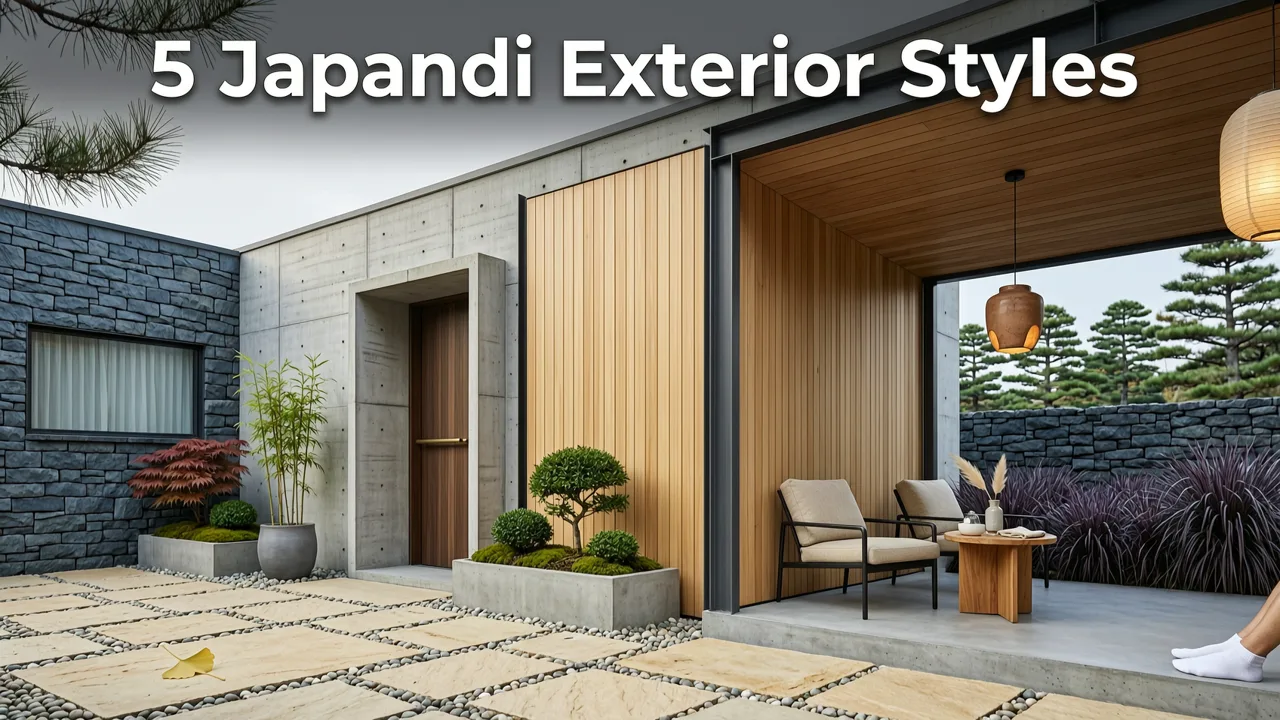
When using a visualization tool, experimenting with different material combinations is key. Here are the five most effective Japandi exterior styles to test this year.
1. Natural Wood and Stone Cladding
This is the most authentic interpretation of the style. Using charred wood (Shou Sugi Ban) or warm cedar slats alongside rough-cut stone creates a striking, textural facade. The AI can help you visualize exactly how different wood stains will look against your specific stone choice under natural sunlight.
2. Minimalist Concrete and Greenery
For a more contemporary Scandinavian lean, smooth concrete walls paired with vertical gardens or creeping vines offer a stunning contrast. The cold, industrial feel of the concrete is softened by the organic movement of the plants, a balance that AI renders can preview perfectly.
3. Warm Earth Tones with Slatted Screens
Wooden slatted screens are a hallmark of Japanese architecture, providing privacy while filtering light. Testing warm earth-toned stucco or brick with vertical timber screening can completely change the perceived proportions of your home's entrance.
4. Zen Garden Integration
A true Japandi exterior extends beyond the walls. Use the AI tool to replace traditional lawns with minimalist zen landscaping—think raked gravel, strategically placed boulders, and low-maintenance moss. This not only looks incredible but drastically reduces outdoor maintenance.
5. Modern Flat Roof with Deep Overhangs
If your home's architecture allows, extending the roofline with deep, flat overhangs adds a dramatic, sheltering presence. The AI can simulate the shadows cast by these overhangs, helping you understand how the design will look at different times of the day.
How to Use Japandi Exterior Design AI for Your Home Makeover
Getting the most out of your AI visualization requires a strategic approach. Follow these steps to ensure your digital concepts translate into physical reality.
- Capture a High-Quality Base Photo: Take your exterior photo on a clear day with even lighting. Avoid harsh shadows, as they can confuse the AI's texture generation.
- Select the Right Style Prompt: Choose the Japandi or modern minimal preset in your design app. If the tool allows custom text prompts, use specific material keywords like "cedar cladding," "natural stone," and "minimalist landscaping."
- Refine and Iterate: Don't settle for the first generation. Adjust the intensity of the style, change the time of day to see how shadows fall, and tweak the color palette.
- Connect Interior and Exterior: A cohesive home flows from the inside out. For a unified aesthetic, you can also use a White Wall Paint AI Visualization tool to match your interior minimalist palette with your new exterior tones, ensuring the transition through your windows and doors feels intentional.
Japandi Exterior Design AI vs. Traditional 3D Rendering
To understand the value of AI in 2026, it helps to compare it directly with traditional methods. The following table breaks down the differences in time, cost, and flexibility.
| Feature | Japandi Exterior Design AI | Traditional 3D Rendering |
|---|---|---|
| Turnaround Time | Seconds to minutes | Days to weeks |
| Cost | Low (SaaS subscription or per-render fee) | High (Professional architect or 3D artist fees) |
| Flexibility | Unlimited instant iterations | Revisions require additional time and cost |
| Learning Curve | None (upload and click) | Steep (requires specialized software skills) |
| Photorealism | Highly realistic, context-aware lighting | Photorealistic, but manually lit and textured |
Designing Responsibly with AI
As AI becomes more integrated into home renovation, responsible usage is paramount. Following Google AI guidance on responsible development, top-tier design apps ensure that generated images respect neighborhood aesthetics and avoid creating structurally impossible or misleading architectural claims. Always use AI visualizations as a conceptual starting point, and consult with local contractors or structural engineers before executing major exterior changes.
Conclusion
Transforming your home's facade into a serene, modern minimal sanctuary no longer requires a leap of faith. By leveraging japandi exterior design ai tools, you can explore natural wood cladding, zen landscaping, and clean architectural lines with absolute confidence. The ability to see photorealistic, true-to-room previews in seconds empowers you to make bold design choices without the risk of costly renovation mistakes.
Ready to reimagine your home's curb appeal? Upload your exterior photo to our AI design app today and watch your modern minimal outdoor space come to life in seconds.