What Is a Virtual Garden Redesign and How Does It Work?
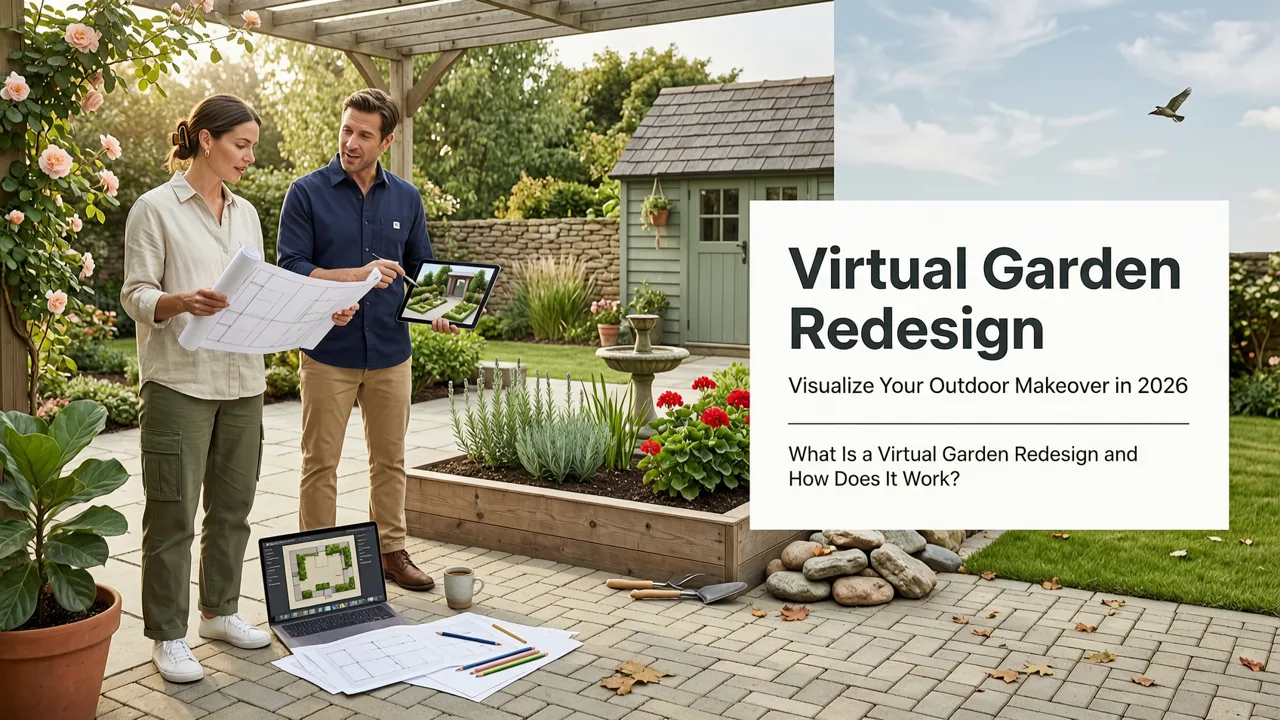
A virtual garden redesign is the process of using artificial intelligence to transform a photograph of an existing outdoor space into a photorealistic visualization of a new landscape design. In 2026, AI-driven visualization has revolutionized how homeowners, renters, and realtors approach outdoor renovations. Instead of relying on imagination or expensive preliminary sketches, users can now upload a simple photo of their yard and instantly generate multiple design variations.
The underlying technology analyzes the spatial geometry, lighting, and existing structures in the uploaded image. It then applies the chosen landscaping style—whether that is a lush cottage garden or a sleek modern patio—while preserving the fundamental architecture of the space. This ensures that the generated backyard makeover tool outputs are not just abstract art, but true-to-room previews that respect the physical boundaries of the property.
Top Benefits of Using AI for Outdoor Space Visualization
Transitioning from a traditional planning phase to an AI-powered workflow offers distinct advantages for anyone looking to upgrade their outdoor environment.
Best Landscape Design Software (Top 5) | Get Landscape Contractor Software
by Pick5 Pro
Cost and Time Efficiency
Historically, creating a comprehensive landscape plan required hiring a professional designer to draft blueprints and 3D models. This process could take weeks and incur significant upfront costs. A virtual garden redesign compresses this timeline into seconds. By generating instant concepts, homeowners can explore dozens of ideas without the financial commitment of initial consultation fees, reserving their budget for the actual construction and planting phases.
Risk-Free Experimentation
Landscaping is a long-term investment. Planting the wrong trees, installing an impractical patio layout, or choosing clashing materials can lead to costly mistakes. AI visualization allows users to experiment freely. You can test bold hardscaping choices, alternative plant palettes, and different outdoor furniture arrangements risk-free. If a specific style does not resonate, you simply generate a new variation.
Enhanced Communication with Contractors
One of the most significant hurdles in home renovation is communicating your vision to a contractor. Describing a specific type of pergola or a desired plant layout using words alone often leads to misunderstandings. Photorealistic AI renderings serve as a universal visual language. When you hand a virtual garden redesign image to a landscaper, they immediately understand the scale, proportions, and aesthetic you are aiming for, streamlining the quoting and execution process.
Popular Landscaping Styles to Test in Your Virtual Makeover
AI landscape design platforms support a wide array of global aesthetics, allowing you to find the perfect fit for your climate and personal taste.
Modern Minimalist and Zen Gardens
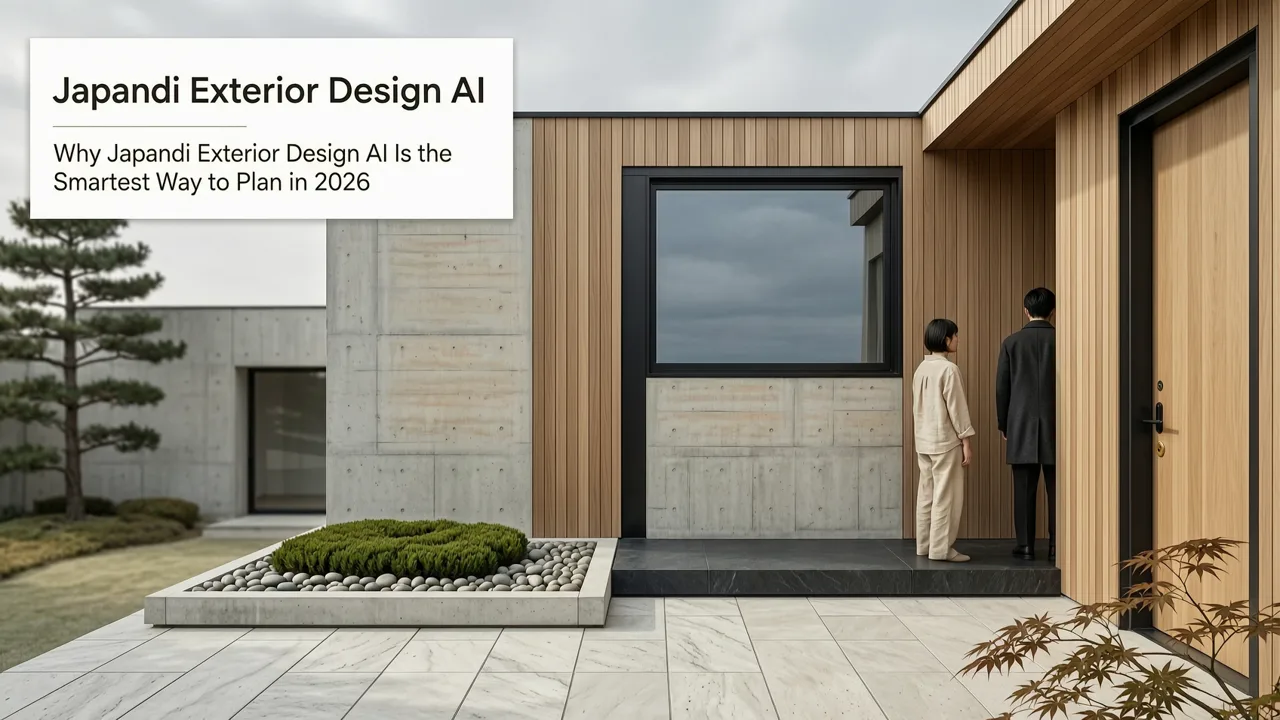
Characterized by clean lines, neutral color palettes, and uncluttered spaces, modern minimalist gardens focus on architectural plants and structured hardscaping. This style often incorporates materials like poured concrete, large-format porcelain tiles, and subtle water features. It is an excellent choice for smaller urban yards where maximizing the perception of space is crucial.
Cottagecore and Wildflower Meadows
For those seeking a relaxed, romantic outdoor environment, the cottagecore aesthetic offers an abundance of color and texture. This style embraces asymmetrical planting beds, climbing roses, lavender borders, and natural stone pathways. AI tools excel at rendering the lush, organic feel of a wildflower meadow, helping you visualize how dense plantings will look against your home's exterior.
Xeriscaping and Drought-Tolerant Landscapes
With climate considerations at the forefront of modern homeownership, xeriscaping has become highly popular. This approach utilizes drought-resistant plants, decorative gravel, boulders, and efficient irrigation layouts. Visualizing a xeriscape garden beforehand helps homeowners appreciate the beauty of low-water landscaping without it looking barren or unfinished.
Key Elements of a Successful Outdoor Makeover
When utilizing a virtual garden redesign tool, paying attention to specific design elements ensures the final result is both beautiful and functional.
Hardscaping and Structural Features
Hardscaping forms the skeleton of your garden. This includes patios, walkways, retaining walls, and decks. When generating AI concepts, observe how the tool handles the scale of these structures. A well-designed hardscape should dictate the flow of foot traffic and define distinct zones for dining, lounging, and recreation.
Softscaping and Plant Selection
Softscaping refers to the living horticultural elements of the landscape. While AI provides a stunning visual representation of plant textures and colors, it is important to verify that the specific flora shown in the rendering is suitable for your local hardiness zone and sunlight conditions. Use the AI image as a textural guide, then consult a local nursery to source the exact botanical equivalents.
Lighting and Ambiance
Outdoor lighting transforms a garden at night, highlighting architectural features and ensuring safety. Modern AI renderings often include simulated ambient lighting, such as uplighting for trees, pathway markers, and string lights over dining areas. Evaluating these lighting scenarios helps you plan your electrical layout before breaking ground.
Comparing Traditional Design vs. AI Virtual Garden Redesign
Understanding the shift from legacy design methods to modern AI visualization highlights the efficiency of current tools.
| Feature | Traditional Landscape Design | AI Virtual Garden Redesign |
|---|---|---|
| Initial Concept Time | 2 to 4 weeks | Under 10 seconds |
| Upfront Cost | High (Designer fees, drafting costs) | Low (Subscription or per-render cost) |
| Revision Process | Manual redrawing and scheduling meetings | Instant generation of unlimited variations |
| Visualization Quality | 2D sketches or basic 3D wireframes | Photorealistic, true-to-room environmental renders |
| Accessibility | Requires professional appointment | Available 24/7 from any mobile device or browser |
Step-by-Step Guide to Planning Your Backyard Makeover
Executing a successful outdoor renovation using AI involves a systematic approach to ensure the final build matches the digital vision.
- Capture a High-Quality Base Photo: Stand back to capture the entire space. Ensure the lighting is even and the lens is straight to avoid severe distortion. The AI needs a clear view of existing boundaries, fences, and architectural lines.
- Identify Your Core Needs: Before selecting a style, determine how the space will be used. Do you need a large patio for entertaining, a secure area for pets, or a quiet reading nook?
- Select and Generate Styles: Upload your photo to the AI platform and choose a design category. Generate multiple variations to compare how different materials and plant densities affect the overall feel of the yard.
- Refine and Isolate Elements: If you love the patio design in one render but prefer the planting scheme in another, use the tool's refinement features to isolate and adjust specific areas of the garden.
- Consult Local Professionals: Take your favorite photorealistic renders to local landscapers or hardscaping contractors. Use the images to request accurate material sourcing and structural quotes.
Integrating Exterior and Interior Design for Curb Appeal
A garden does not exist in a vacuum; it is an extension of your home's architecture. The most successful outdoor spaces create a seamless visual transition from the interior living areas to the exterior landscape. If your interior features a serene, balanced aesthetic, you may want to extend that vibe outdoors. Just as a Japandi Interior Design App helps unify indoor spaces with minimalist principles, applying similar design logic to your garden creates a cohesive property aesthetic.
Furthermore, the facade of your home dictates the baseline for your landscaping choices. A highly detailed, ornate home might require a more structured, formal garden, while a sleek, contemporary build pairs beautifully with minimalist outdoor living spaces. Utilizing comprehensive exterior visualization tools, such as those detailed in our guide on Dr Homey Exterior Design, ensures that your new garden perfectly complements your home's exterior materials, roofline, and color palette.
Advancements in spatial computing and generative models, guided by frameworks like Google's AI responsibility principles, ensure that these visualization tools generate safe, accurate, and highly realistic environmental renderings. This technological reliability means homeowners can trust the spatial proportions and lighting physics presented in their virtual makeovers.
Conclusion
A virtual garden redesign empowers you to take control of your outdoor renovation journey. By leveraging AI to visualize backyard makeovers, you eliminate the guesswork, reduce financial risk, and ensure that every plant, paver, and lighting fixture aligns with your ultimate vision. Whether you are planning a complete landscape overhaul or simply refreshing your front yard curb appeal, AI-driven design tools provide the clarity and confidence needed to build the outdoor space of your dreams.
Ready to transform your outdoor area? Explore the full capabilities of AI-powered visualization and start generating your photorealistic landscape concepts today.