Why a Japandi Interior Design App Is Essential for Your Makeover
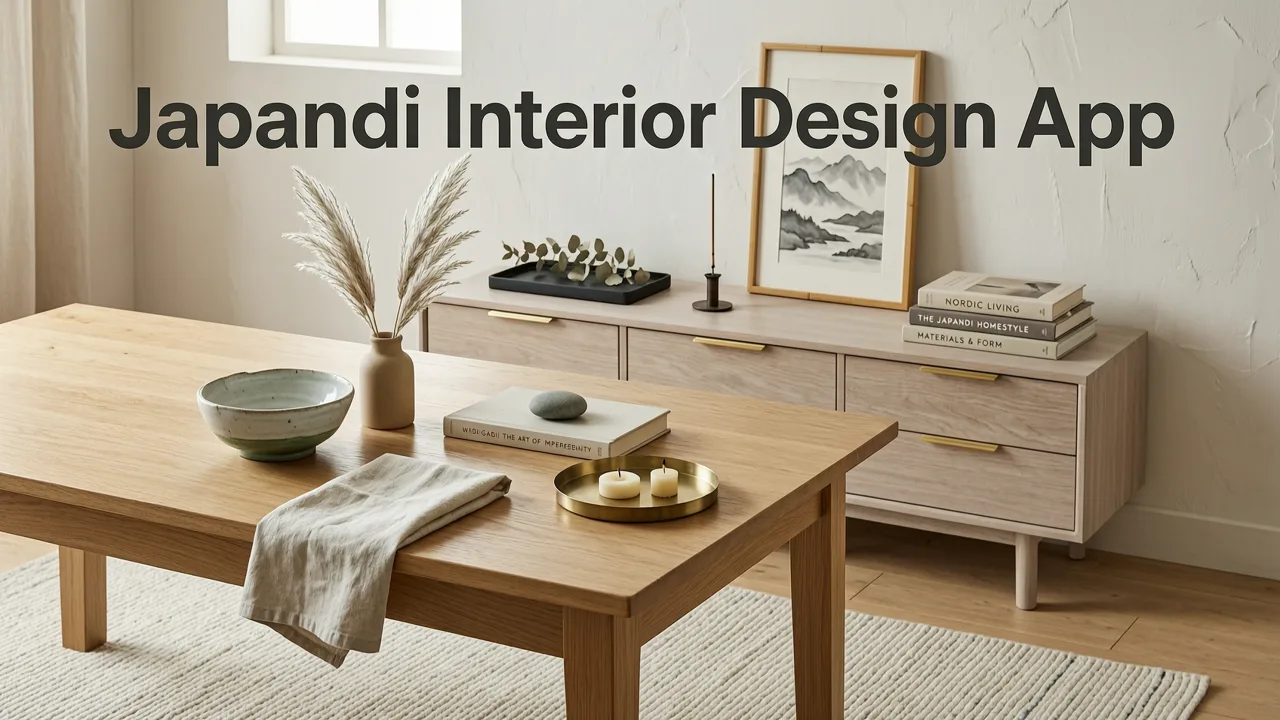
If you are searching for a reliable japandi interior design app, you already understand that achieving this specific aesthetic is about much more than just buying minimalist furniture. Japandi is a highly curated hybrid style that merges Japanese rustic minimalism with Scandinavian functionality. Balancing these two distinct design philosophies requires a keen eye for proportion, texture, and neutral color palettes. For homeowners, renters, and realtors, visualizing this delicate balance before committing to a physical renovation is crucial.
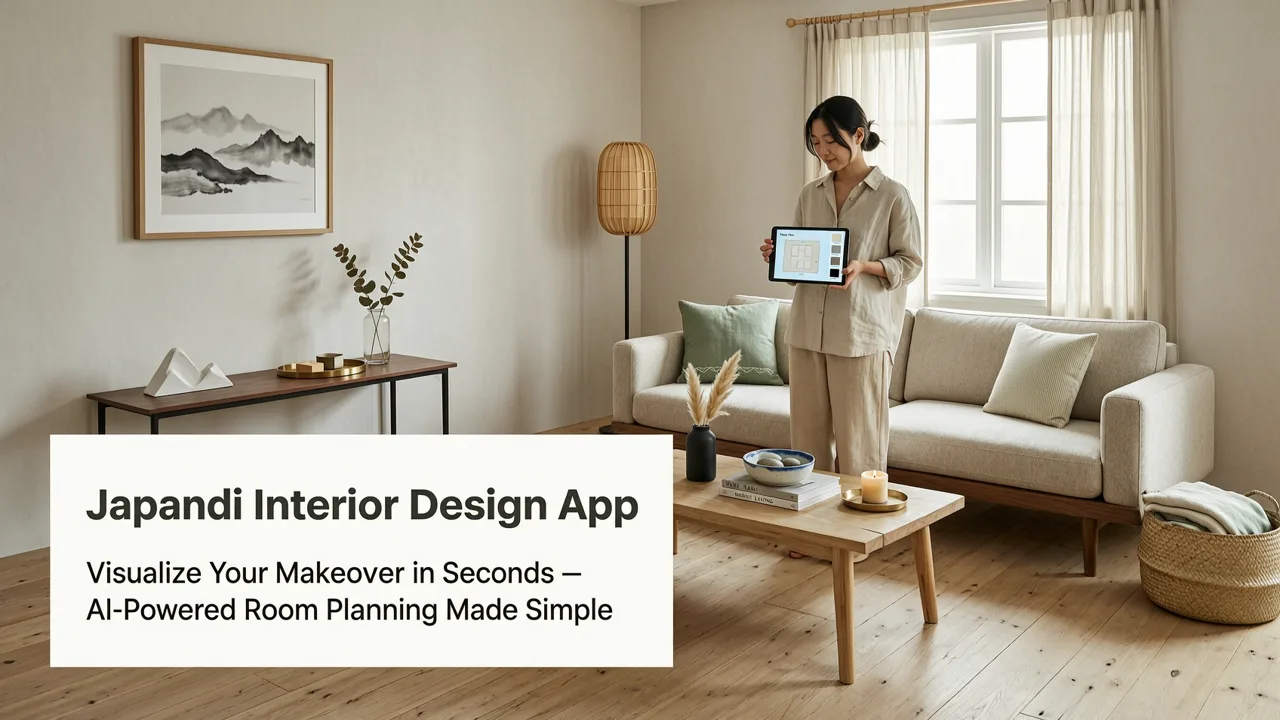
In the past, achieving a photorealistic preview meant hiring an expensive interior designer or spending weeks learning complex 3D rendering software. Today, an AI-powered room visualizer eliminates those barriers. By leveraging advanced generative models, you can upload a simple photograph of your bedroom, living room, or kitchen, and instantly see it reimagined in a flawless Japandi style. This approach saves time, reduces renovation anxiety, and ensures your final design choices are perfectly aligned with your vision.
What Defines True Japandi Style in AI Visualization
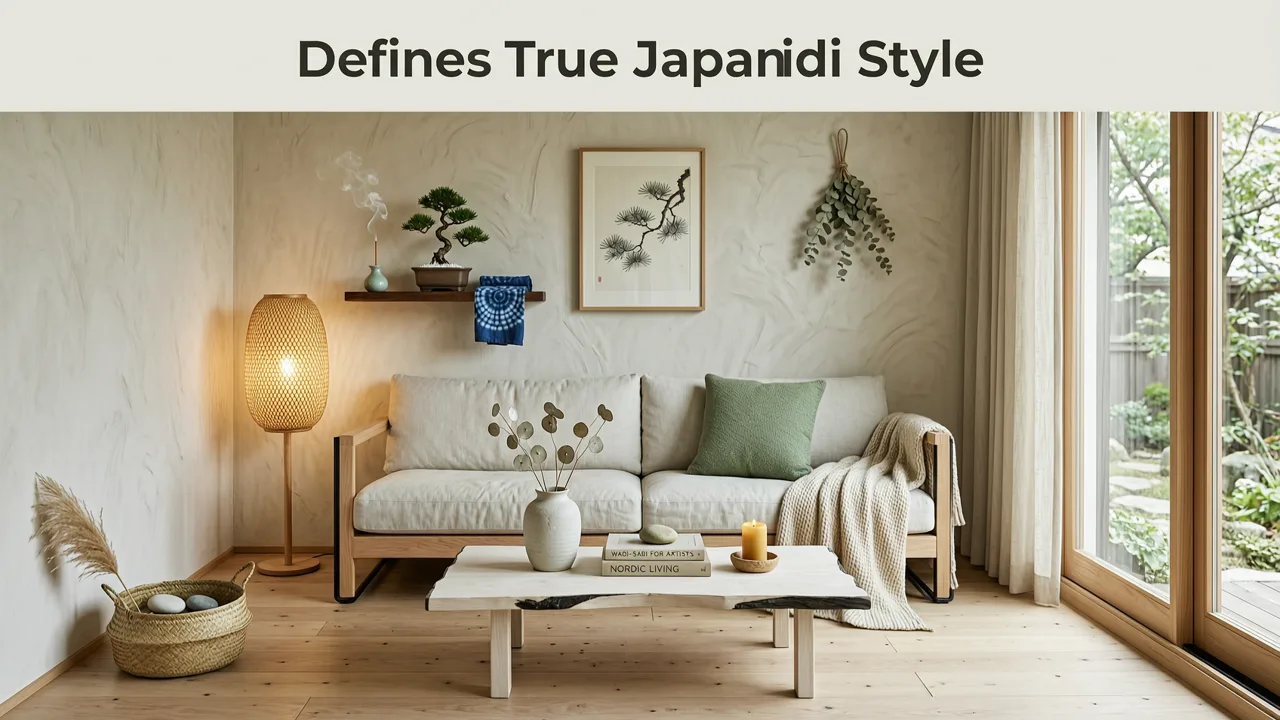
To get the most accurate results from any design tool, you must first understand the core elements that define the style. When you prompt an AI visualizer, knowing these nuances helps you evaluate whether the generated render is truly Japandi or just generic minimalism.
JAPANDI Interior Design Style: 7 Tips for Mastering the JAPAN + SCANDINAVIAN Interior Style
by Design Burst
The Scandinavian Functional Influence
The Scandinavian side of the equation brings warmth, practicality, and clean lines to the space. In your AI renders, look for low-profile, functional furniture that prioritizes comfort without sacrificing form. The lighting should feel soft and inviting, mimicking the cozy concept of hygge. You will also notice a reliance on light, natural woods like ash or pine, which keep the rooms feeling bright and airy even during darker months.
The Japanese Rustic Minimalist Core
The Japanese influence grounds the design in wabi-sabi aesthetics—an appreciation for imperfection, natural aging, and organic textures. A true japandi interior design app will introduce elements like bamboo accents, matte ceramics, stone finishes, and deep, earthy tones. The layout will emphasize negative space, ensuring the room feels uncluttered and intentionally curated rather than just empty.
How the Japandi Interior Design App Works: The 2026 Workflow
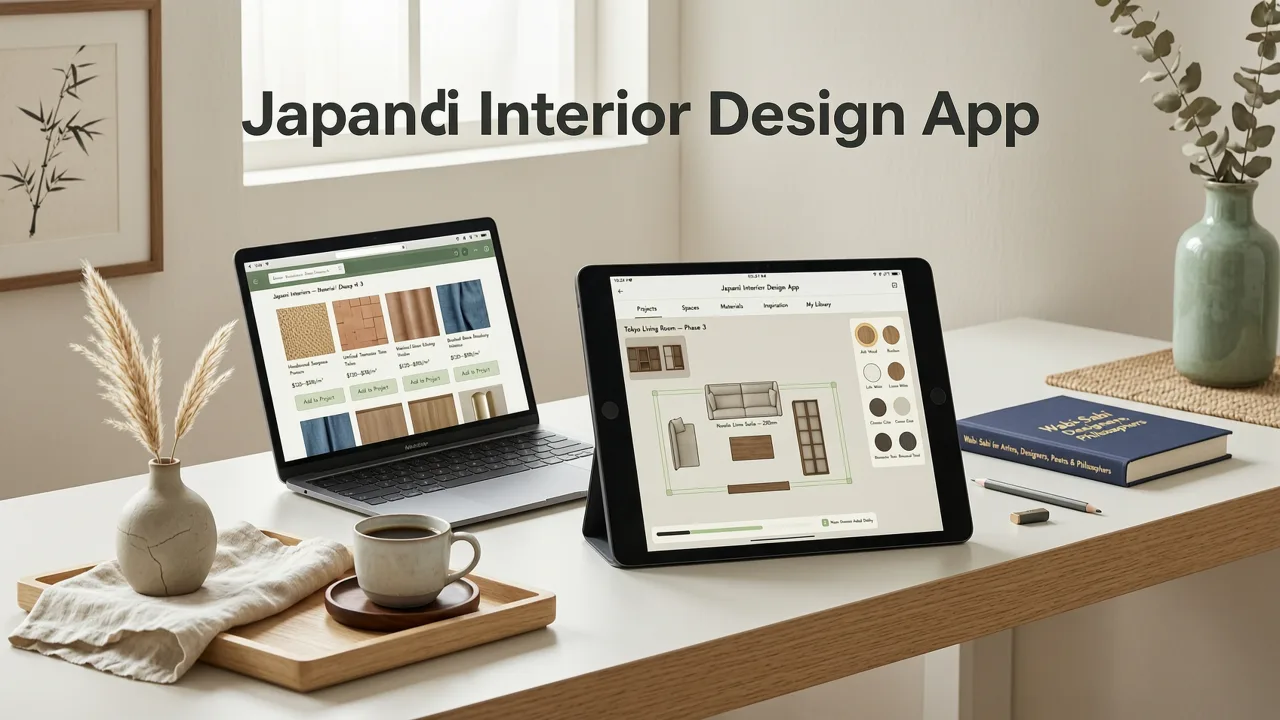
Modern AI visualization tools have streamlined the redesign process into a seamless, three-step workflow. Whether you are updating a single room or planning a full-home renovation, the technology adapts to your specific spatial constraints.
Step 1: Capture a Clean Photo of Your Room
The quality of your input dictates the quality of your output. Stand in the corner of your room to capture the widest possible angle. Ensure the space is well-lit and free of excessive clutter. While the AI can remove minor objects, starting with a clean, straight-on photograph helps the model accurately map the room's architectural features, such as window placements and ceiling heights.
Step 2: Select the Japandi Style and Refine Details
Once your photo is uploaded, select the Japandi style preset from the app's library. Under the hood, these presets are powered by sophisticated generative architectures that understand spatial relationships and material physics. For a deeper technical understanding of how these models interpret your prompts, you can review the OpenAI documentation on multimodal image generation. You can further refine your request by specifying wood tones, wall textures, or specific furniture types you want the AI to include.
Step 3: Generate and Compare Photorealistic Previews
Within seconds, the app generates multiple high-resolution variations of your space. You can toggle between different iterations, comparing how a darker walnut floor might look against a light oak coffee table. This rapid iteration process allows you to test bold ideas risk-free, ensuring you only spend money on physical materials you are absolutely certain about.
Japandi Interior Design App vs. Traditional Design Methods
Choosing the right approach for your home makeover depends on your budget, timeline, and technical expertise. The table below compares the AI visualization workflow against traditional design methods available in 2026.
| Feature | AI Interior Design App | Traditional 3D Software | Professional Interior Designer |
|---|---|---|---|
| Time to First Render | Seconds | Days to Weeks | Weeks |
| Cost | Low (Subscription/Freemium) | High (Software licenses) | Very High (Service fees) |
| Photorealism | High (AI-generated lighting/textures) | Medium to High (Requires manual rendering) | Very High (Professional staging) |
| Ease of Use | Beginner Friendly | Steep Learning Curve | Hands-off for the client |
| Iteration Speed | Instant | Slow | Slow (Requires scheduling) |
Pro Tips for Perfecting Your Japandi AI Renders
To elevate your AI-generated designs from good to exceptional, pay close attention to the foundational elements of color and spatial continuity. The smallest details are what separate a generic minimalist room from a true Japandi sanctuary.
Mastering the Neutral Wall Palette
Japandi design relies heavily on a foundation of soft, natural wall colors. However, choosing the exact shade of white or beige can dramatically alter the room's mood. If you are testing wall colors in the app, it is helpful to understand how lighting affects your choices. Exploring the differences between warm white vs cool white paint will help you decide whether your Japandi space should lean into the cozy, earthy warmth of Scandinavian design or the crisp, clean serenity of Japanese minimalism.
Integrating Subtle Natural Accents
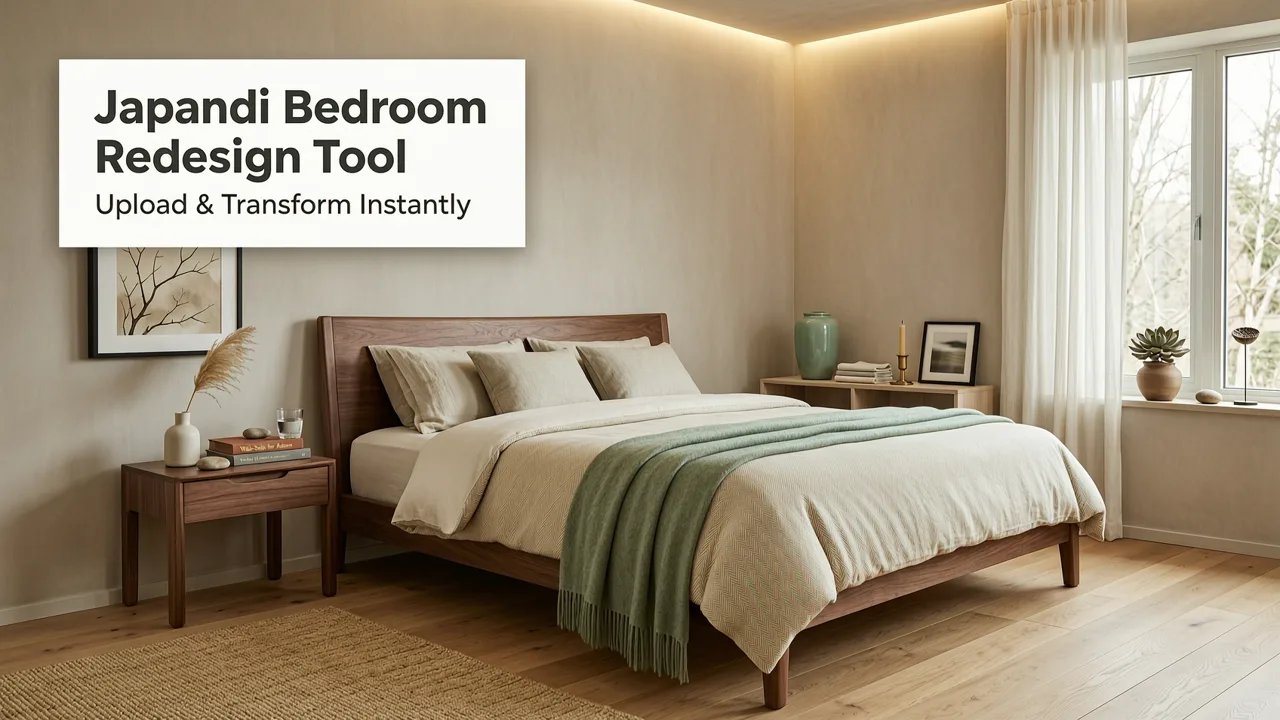
While the Japandi palette is predominantly neutral, introducing subtle hints of nature prevents the space from feeling sterile. When using your visualizer to test accent walls or cabinetry, consider incorporating muted, organic greens. If you are focusing on a restful sleep environment, reviewing the best green paint for a small bedroom can provide excellent inspiration for creating a calming, nature-inspired retreat that perfectly complements your Japandi wood tones.
Extending the Aesthetic Outdoors
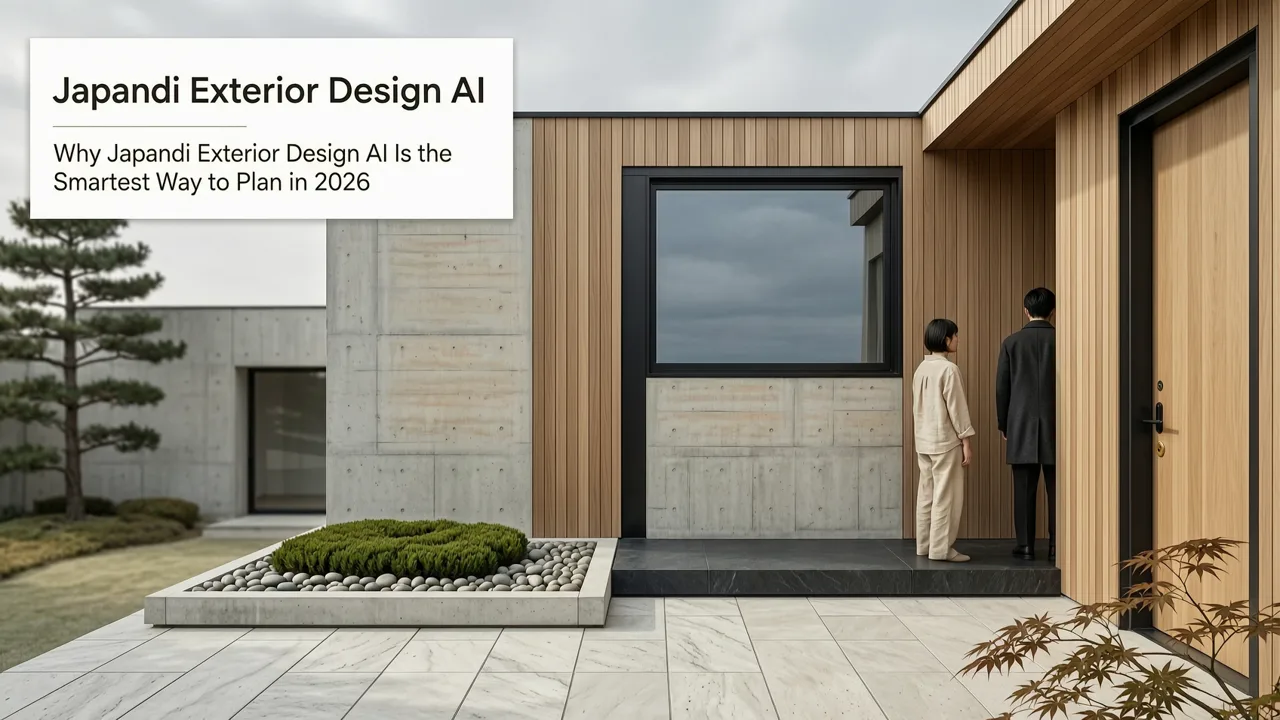
A core principle of Japanese design is the seamless blending of indoor and outdoor spaces. Your interior redesign should not stop at the back door. You can use AI tools to visualize how your Japandi interior flows into your exterior spaces. By utilizing a small garden redesign AI, you can transform a compact patio or narrow backyard into a minimalist Zen garden, ensuring your home's aesthetic remains cohesive from the living room to the landscape.
Designing with Responsibility and Intent
As AI becomes deeply integrated into home renovation, it is important to use these tools responsibly. Following the Google AI guidance on ethical and responsible AI use ensures that you are leveraging technology to enhance your living space thoughtfully, respecting both the environmental impact of your renovation choices and the architectural integrity of your home.
Conclusion
Achieving the perfect balance of Japanese rustic minimalism and Scandinavian functionality no longer requires a massive budget or a degree in architecture. A dedicated japandi interior design app empowers you to take control of your home makeover, providing instant, photorealistic previews that bridge the gap between imagination and reality. By understanding the core elements of the style and leveraging the speed of AI visualization, you can make confident, cost-effective design decisions.
Stop guessing how your space will look and start visualizing it today. Upload your first room photo to the AI Interior Design app and watch your vision for a serene, minimalist retreat come to life in seconds.