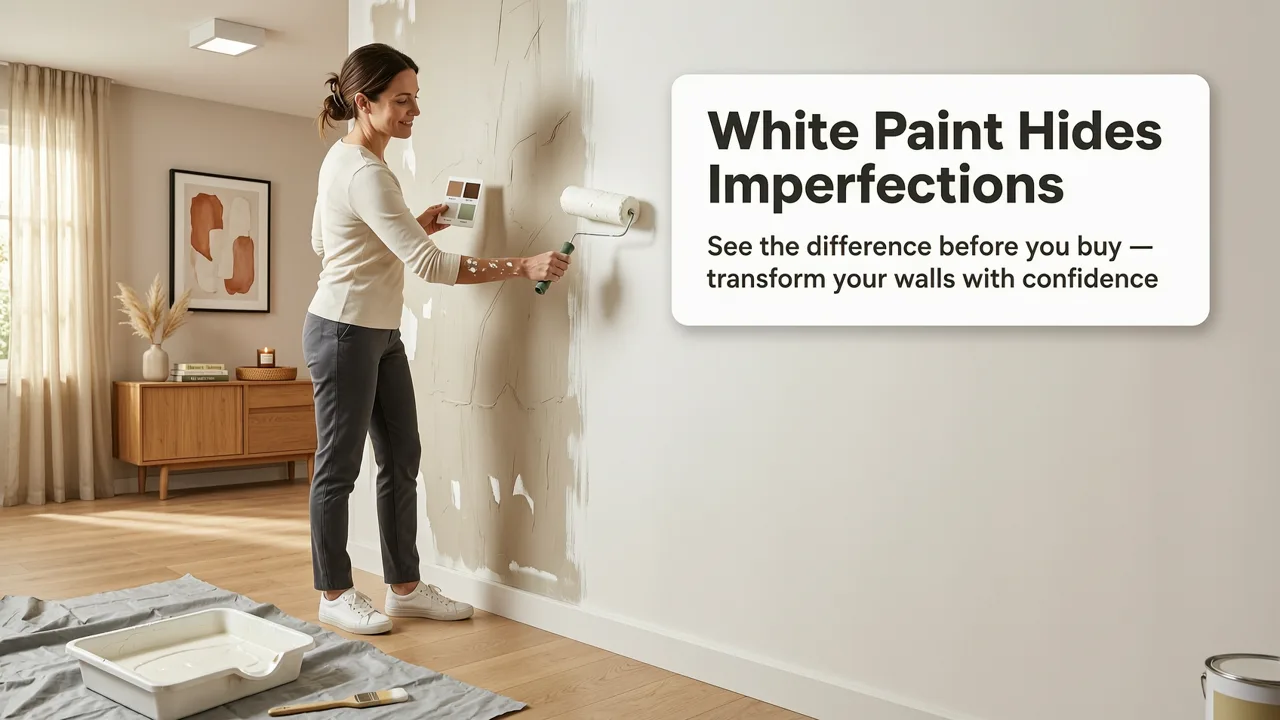
Why White Paint That Hides Imperfections Matters More Than You Think
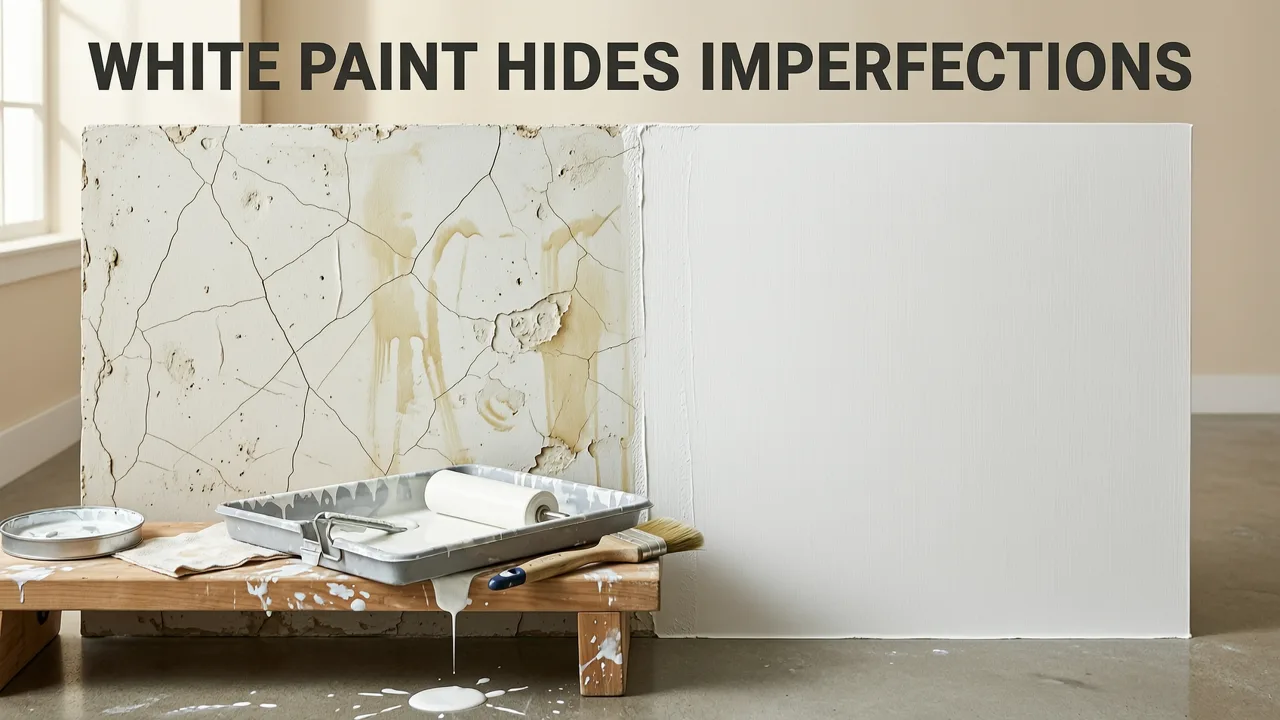
If you have ever chosen a white paint swatch in the store only to watch it highlight every dent, nail pop, and roller mark on your walls once it dried, you already know the frustration. Not all white paints are created equal when it comes to disguising flawed surfaces, and the wrong finish can turn a simple repaint into a costly lesson.
The short answer is this: the best white paint that hides imperfections in 2026 combines a flat or matte sheen with a warm or neutral undertone, applied in a high-quality acrylic or acrylic-latex formula. But choosing the right shade and finish for your specific room requires understanding how light, texture, and undertone interact — and that is exactly what this guide breaks down.
How Paint Finish Determines What Your Walls Reveal
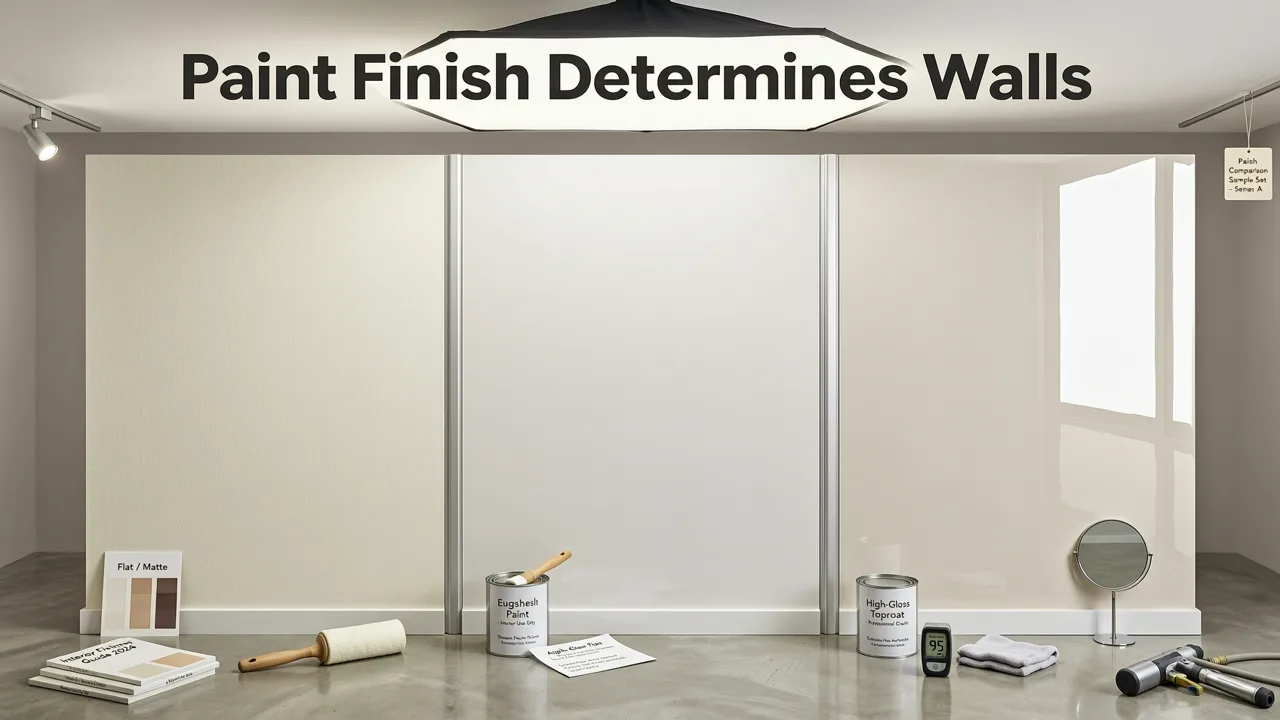
Before you compare specific white shades, you need to understand the single most important variable: sheen. Gloss level controls how much light bounces off your wall, and reflected light is what exposes every surface flaw.
The WORST Paint Colors to Hide Imperfections (Avoid These Mistakes)
by The Paint People
The Sheen Spectrum Explained
- Flat / Matte (0–5 gloss units): Absorbs light. Best at concealing drywall seams, hairline cracks, and uneven texture. The go-to choice for imperfect walls.
- Eggshell (5–15 gloss units): Offers a soft pearl-like glow. Hides moderate imperfections while remaining washable enough for living rooms and hallways.
- Satin (15–30 gloss units): Reflects noticeably more light. Reveals surface flaws but stands up well to moisture, making it ideal for kitchens and bathrooms.
- Semi-Gloss & Gloss (35+ gloss units): Highly reflective. Use only on trim, doors, and cabinetry — never on flawed walls.
For walls with visible dents, patched areas, or old textured coatings, a true matte finish is your strongest ally. Modern matte paints from brands like Benjamin Moore, Sherwin-Williams, and Farrow & Ball have improved dramatically in scrub resistance, so you no longer have to sacrifice durability for concealment.
Why Undertone Is the Secret Variable in Hiding Flaws

A white paint's undertone changes how shadows and surface irregularities read to the human eye. Cool whites with blue or gray undertones tend to emphasize shadows cast by wall bumps, making imperfections appear more pronounced. Warm whites with subtle yellow, red, or brown undertones diffuse shadows more softly, effectively camouflaging minor flaws.
This is why many professional painters recommend exploring the difference between warm and cool tones before committing. If you want a deeper dive into how lighting shifts these undertones throughout the day, our guide on warm white vs cool white paint walks through real-room examples.
Best Undertone Categories for Flawed Walls
| Undertone Family | How It Affects Imperfections | Best Room Types |
|---|---|---|
| Warm (yellow/red base) | Softens shadows, hides dents and seams | Living rooms, bedrooms, hallways |
| Neutral (balanced) | Moderate concealment, versatile | Open-plan spaces, north-facing rooms |
| Cool (blue/gray base) | Amplifies shadows, reveals texture | Smooth drywall, modern minimalist rooms |
| Greige (gray-beige blend) | Excellent mid-tone concealment | High-traffic areas, family rooms |
The 7 Best White Paints That Hide Imperfections in 2026
After testing dozens of shades across matte, eggshell, and satin finishes in rooms with varying wall conditions, here are the top performers for concealing surface flaws while still delivering a clean, bright look.
1. Benjamin Moore White Dove OC-17 (Matte)
A warm off-white with a subtle yellow-green undertone that reads as pure white in most lighting. Its matte formulation excels at softening drywall seams and patched areas. Widely considered one of the most forgiving whites available.
2. Sherwin-Williams Alabaster SW 7008 (Matte)
A creamy warm white with minimal gray cast. In matte finish, Alabaster absorbs light beautifully and hides nail pops and roller stipple. A favorite among staging professionals for quick seller-ready refreshes.
3. Farrow & Ball All White No. 2012 (Estate Emulsion)
Farrow & Ball's Estate Emulsion is a true matte with exceptional chalk-like light absorption. All White is a flexible neutral that works in both warm and cool light, concealing imperfections without feeling dated.
4. Behr Premium Plus Whisper White (Matte)
A budget-friendly option that performs well above its price point. The matte finish is thick enough to bridge minor texture differences, and the warm undertone keeps walls looking inviting rather than sterile.
5. Dulux Timeless (Matt)
Popular in European and Australian markets, Dulux Timeless in Matt offers outstanding coverage in a single coat on previously painted surfaces, reducing the risk of patchy areas that highlight flaws.
6. Sherwin-Williams Pure White SW 7005 (Eggshell)
If you need a washable finish for a hallway or kids' room, Pure White in eggshell strikes the right balance. It is not as concealment-focused as matte, but its near-neutral undertone avoids the shadow-amplifying effect of cooler whites.
7. Benjamin Moore Chantilly Lace OC-65 (Matte)
A cleaner, crisper white that still works on imperfect walls when applied in matte. Best for rooms where you want a brighter feel without going full cool gray.
How to Preview White Paint That Hides Imperfections Before You Buy
Buying sample pots and painting swatches is the traditional approach, but it is slow, messy, and often misleading because small swatches do not replicate how light wraps across an entire wall surface. In 2026, the smarter method is AI-powered visualization.
With white wall paint AI visualization, you upload a photo of your actual room and the tool renders your chosen white shade directly onto your walls — accounting for your existing lighting, furniture, and architectural details. You can compare multiple shades side by side in minutes, not days.
This approach is particularly valuable when you are trying to judge how well a white will disguise wall flaws, because the AI rendering preserves the texture and shadow patterns already present in your photo. If a shade looks like it highlights imperfections in the preview, it will do the same in real life.
Step-by-Step: Using AI Visualization to Test Whites
- Take a well-lit photo of the wall you plan to paint, capturing the full surface including any visible imperfections.
- Upload the photo to an AI interior design tool and select your target room type.
- Choose a white paint shade or enter a custom color code.
- Select a matte or eggshell finish option to simulate real-world sheen.
- Review the photorealistic preview and compare two or three shades side by side.
- Shortlist the shade that conceals flaws most effectively while matching your desired mood.
Preparation Tips That Maximize Paint's Concealing Power
Even the best white paint that hides imperfections will underperform if the surface is not properly prepared. Follow these steps to give your paint the best chance of delivering a flawless finish.
Fill, Sand, and Prime
- Fill all nail holes and small dents with a lightweight spackling compound.
- Sand patched areas flush with the surrounding wall using 120-grit sandpaper.
- Apply a high-hide primer such as Zinsser Bulls Eye 1-2-3 over patched zones to prevent flash-through.
Use the Right Roller Nap
For matte finishes on textured or imperfect walls, a 3/8-inch to 1/2-inch nap roller deposits more paint and creates a slight stipple that further disguises surface irregularities. Avoid foam rollers, which produce a smooth film that highlights every bump underneath.
Apply Two Thin Coats, Not One Thick Coat
Thick single coats tend to dry unevenly, creating visible lap marks and ridges. Two thin coats build opacity gradually and produce a more uniform surface that conceals flaws more effectively.
White Paint for Specific Problem Areas
Old Plaster Walls
Plaster develops hairline cracking over time. A matte warm white like Benjamin Moore White Dove bridges these micro-cracks visually. For severe cracking, consider a lining paper beneath the paint for additional smoothing.
Textured Artex Ceilings
If you are refreshing a textured ceiling rather than removing it, a flat ceiling paint in a bright neutral white minimizes shadow contrast within the texture pattern. Avoid any sheen above matte on Artex or popcorn ceilings.
Kitchens and Bathrooms
Moisture-prone rooms typically call for satin or semi-gloss finishes, which unfortunately reveal imperfections. The compromise is to use a dedicated kitchen-bathroom matte paint — several brands now offer moisture-resistant matte formulations that let you keep the concealment benefits without mold risk.
Exterior Walls and Garden Structures
Exterior surfaces are among the most imperfect. When planning an outdoor refresh, consider how white paint will interact with weathered render, brick, or fencing. Tools that support exterior visualization, including options for a small garden redesign with AI, can help you preview white-painted garden walls, pergolas, and trim before committing to a color.
Common Mistakes That Ruin the "Hiding Imperfections" Effect
- Choosing a cool white in a shadow-heavy room: Cool tones amplify existing shadows, making every bump more visible.
- Using a high-sheen finish on damaged walls: Even satin can be too reflective for walls with significant texture variation.
- Skipping primer on patched areas: Unprimed patches absorb paint differently, creating visible gloss or color differences.
- Painting over grease or dust: Surface contamination causes poor adhesion and uneven sheen, which draws the eye to flaws.
- Relying on a single coat: One coat rarely achieves uniform opacity, especially over color changes.
Quick Comparison: Matte vs Eggshell for Imperfect Walls
| Factor | Matte Finish | Eggshell Finish |
|---|---|---|
| Imperfection concealment | Excellent | Good |
| Washability | Moderate (improved in 2026 formulas) | High |
| Best for | Living rooms, bedrooms, ceilings | Hallways, kids' rooms, light-traffic kitchens |
| Touch-up visibility | Low | Low to moderate |
| Light reflection | Minimal | Soft glow |
When to Combine AI Visualization with Professional Advice
AI visualization is powerful, but it works best as a shortlisting tool. Once you have narrowed your choices to two or three whites using a white wall paint AI visualization tool, purchase small sample pots and paint A2-sized boards rather than testing directly on the wall. This lets you move the samples around the room and observe how the shade performs at different times of day and under artificial lighting.
If your walls have structural issues — rising damp, large cracks, or bulging plaster — no paint finish will fully conceal them. Address underlying problems first, then use the visualization tool to confirm your chosen white delivers the look you want on the now-prepared surface.
Final Thoughts: Choose Wisely, Preview First
Finding the right white paint that hides imperfections comes down to three decisions: selecting a matte or low-sheen finish, choosing a warm or neutral undertone, and preparing the surface properly. In 2026, you no longer need to rely on guesswork or commit to full gallons before seeing how a shade actually looks on your walls. AI-powered visualization lets you test dozens of whites in minutes, saving time, money, and frustration.
Ready to see which white works best in your space? Upload a photo of your room to an AI interior design tool and preview your top shade choices in photorealistic detail — no sample pots required.