
Why Warm White vs Cool White Paint Matters More Than You Think
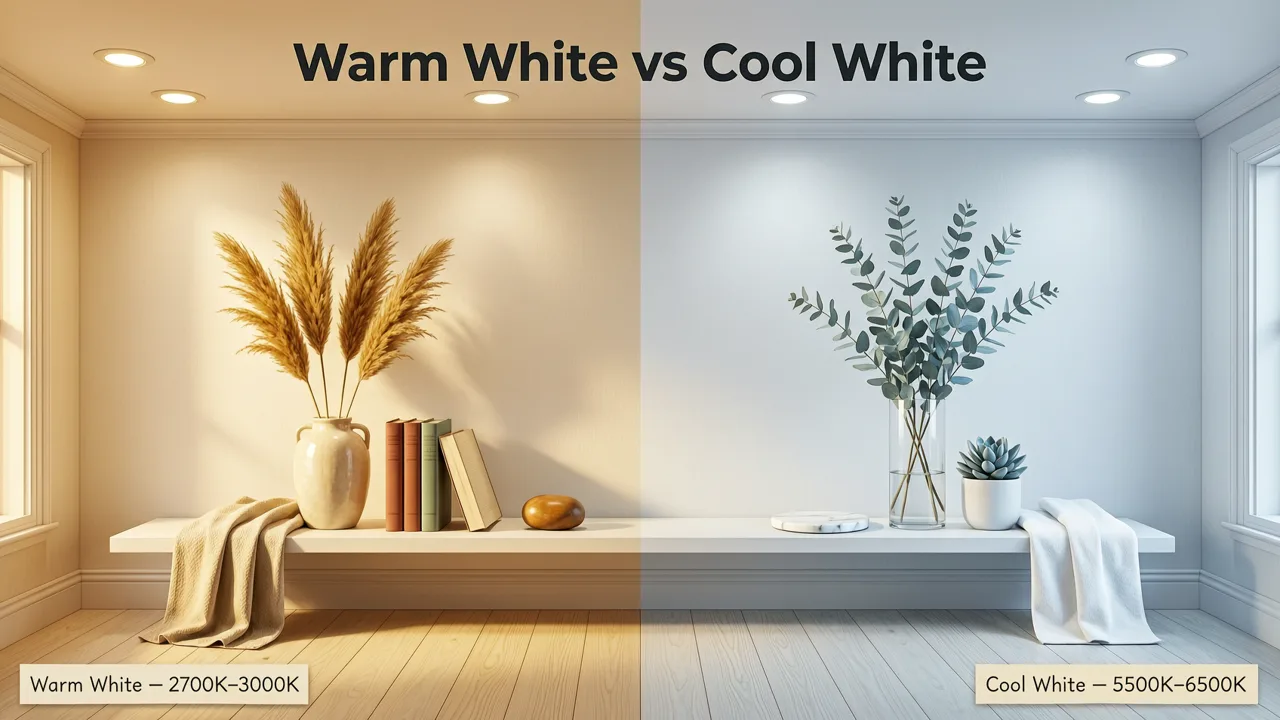
If you have ever painted a room white only to watch it shift from cozy to clinical by sunset, you already know that not all whites are created equal. The single biggest decision in any white-paint project is choosing between warm white and cool white — and the wrong call can make an expensive renovation feel off before the first coat even dries. This guide breaks down the real differences between warm white vs cool white paint, explains how lighting and room orientation change the outcome, and shows you how to preview both options on your actual walls in seconds using AI visualization.
Warm white paint carries yellow, red, or orange undertones that create a soft, inviting atmosphere, while cool white paint leans into blue, gray, or green undertones for a crisp, modern feel. The right choice depends on your room's natural light direction, size, function, and existing furnishings. In 2026, AI-powered visualization tools let you test both options on a photo of your real room before committing to a single gallon.
What Defines Warm White Paint

Warm white paint is any white shade that pulls toward the warm end of the color spectrum. These whites contain subtle undertones of yellow, red, orange, or even taupe. They feel enveloping and comfortable, which is why designers often reach for them in living rooms, bedrooms, and traditional kitchens.
I tried every white paint… these 6 are the best
by The Paint People
Common Undertones in Warm Whites
- Yellow undertones — the most classic warm white; think creamy and sunlit
- Red or pink undertones — add subtle warmth and pair beautifully with wood tones
- Orange or peach undertones — create a golden, earthy feel
- Taupe or greige undertones — bridge warm and neutral for a sophisticated look
Popular warm white paint colors include Benjamin Moore White Dove, Sherwin-Williams Alabaster, and Farrow & Ball Pointing. These shades work especially well in rooms with south-facing light, which naturally amplifies warmth, and in spaces furnished with natural wood, linen, and earthy textiles.
What Defines Cool White Paint
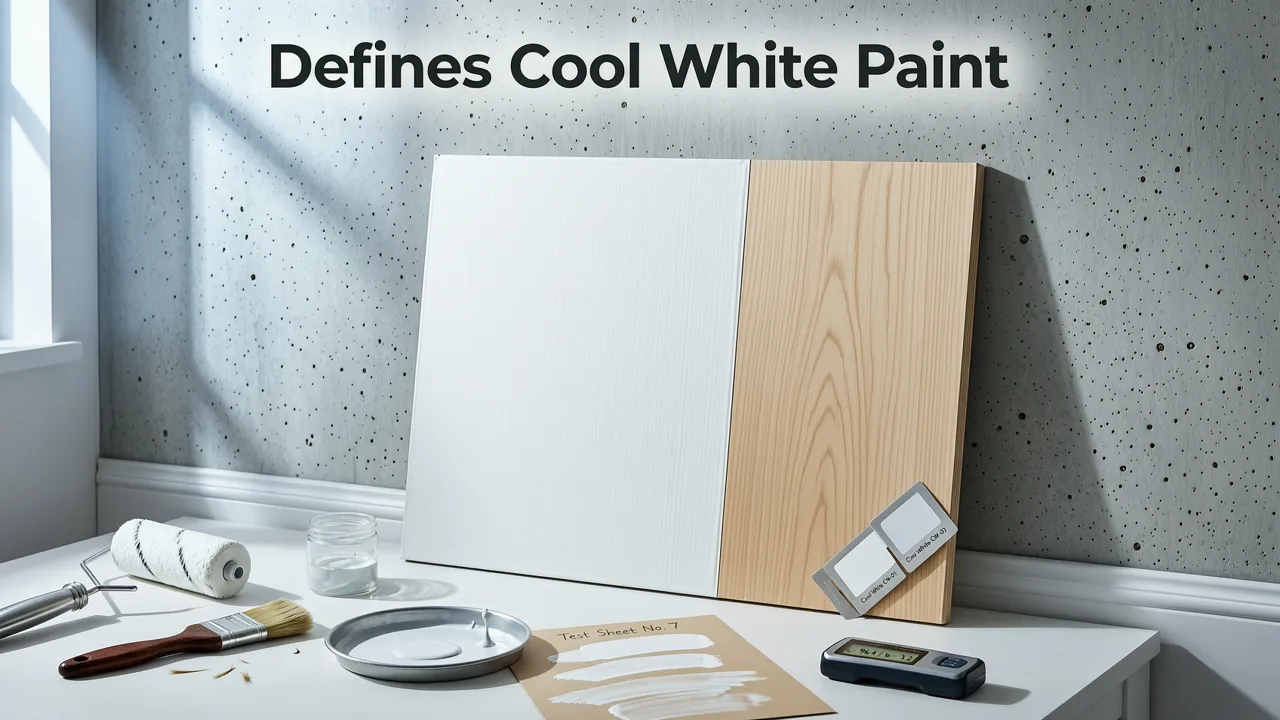
Cool white paint sits on the opposite end of the spectrum. These whites carry undertones of blue, gray, green, or violet. They read as clean, sharp, and contemporary, making them a favorite for modern interiors, minimalist aesthetics, and rooms where clarity and focus matter.
Common Undertones in Cool Whites
- Blue undertones — the most recognizable cool white; crisp and airy
- Gray undertones — sophisticated and neutral-leaning
- Green undertones — fresh and organic, especially in sunrooms
- Violet undertones — subtle and elegant, often used in formal spaces
Cool white favorites include Benjamin Moore Chantilly Lace, Sherwin-Williams Extra White, and Farrow & Ball All White. These shades thrive in north-facing rooms, where they counteract the blue cast of indirect light, and in spaces with sleek finishes like stainless steel, glass, and polished concrete.
Warm White vs Cool White Paint: Side-by-Side Comparison
Before we go deeper, here is a quick-reference comparison that captures the core differences between warm white and cool white paint across the factors that matter most in real rooms.
| Factor | Warm White Paint | Cool White Paint |
|---|---|---|
| Undertones | Yellow, red, orange, taupe | Blue, gray, green, violet |
| Best light direction | South-facing, west-facing | North-facing, east-facing |
| Room mood | Cozy, inviting, soft | Crisp, clean, energizing |
| Ideal room types | Bedrooms, living rooms, traditional kitchens | Bathrooms, home offices, modern kitchens |
| Pairings | Wood tones, warm metals, earthy textiles | Stainless steel, glass, cool-tone fabrics |
| Small room effect | Can feel intimate but may shrink visually | Reflects light, feels more expansive |
| Exterior use | Traditional, craftsman, Mediterranean styles | Modern, coastal, minimalist styles |
How Natural Light Changes the Warm White vs Cool White Paint Decision
The single most important variable in choosing between warm white and cool white paint is the direction your windows face. Natural light is never neutral — it carries a color temperature that shifts throughout the day and interacts directly with your paint's undertones.
North-Facing Rooms
North-facing light is cool, blue-gray, and relatively flat. A warm white paint can add needed warmth and prevent the room from feeling sterile. However, in very dark north-facing rooms, a warm white with strong yellow undertones may look muddy. A soft, balanced warm white often works best here.
South-Facing Rooms
South-facing light is warm, golden, and abundant. This light amplifies any warm undertone in your paint, so a warm white will feel especially creamy and glowing. If you prefer a crisper look, a cool white can provide a refreshing counterbalance to the intense warmth.
East-Facing Rooms
Morning light from the east is warm and yellow in the early hours, then shifts cooler as the day progresses. Warm whites look beautiful in the morning but can feel slightly flat in the afternoon. Cool whites often adapt more gracefully to the shifting light.
West-Facing Rooms
Afternoon and evening light from the west is warm and intense. Warm whites glow beautifully during golden hour, while cool whites can appear slightly stark in the morning and soften pleasantly by evening.
Room-by-Room Guidance for Warm White vs Cool White Paint
Every room in your home has a different function, mood, and lighting condition. Here is how to approach the warm white vs cool white paint decision for the spaces that matter most.
Living Room
Living rooms benefit from warmth because they are gathering spaces where comfort is the priority. Warm white paint creates an inviting backdrop for conversation and relaxation. If your living room has large south-facing windows and modern furnishings, a cool white can also work beautifully by keeping the space feeling open and fresh.
Bedroom
Most designers lean toward warm white for bedrooms because the soft undertones promote rest and relaxation. A cool white bedroom can feel serene and spa-like, but in rooms with limited natural light, it risks feeling cold. If you prefer cool white in a bedroom, balance it with warm textiles and wood accents.
Kitchen
The kitchen is where personal preference matters most. Traditional and farmhouse kitchens look stunning in warm white, which complements wood cabinetry and brass hardware. Modern and minimalist kitchens often shine in cool white, which pairs naturally with white quartz, stainless appliances, and clean lines. For more ideas on testing shades in compact kitchens and other tight spaces, see our guide on the best white paint for small rooms.
Bathroom
Bathrooms are one of the most common rooms for cool white paint. The clean, clinical feel of a blue- or gray-undertoned white reinforces the sense of freshness and hygiene. Warm white bathrooms can feel luxurious, especially with marble and warm metals, but require careful lighting planning to avoid a yellowed cast.
Home Office
Cool white paint in a home office can help maintain focus and reduce visual fatigue, especially if you spend long hours in front of screens. Warm white works well if your office doubles as a library or reading room where a cozier atmosphere is desired.
How Artificial Lighting Interacts with Warm and Cool Whites
Your paint does not just interact with sunlight — your light bulbs play an equally important role. In 2026, most homes use LED lighting, and the color temperature of your bulbs (measured in Kelvin) will dramatically shift how warm white vs cool white paint appears on your walls.
- 2700K (warm white LED) — amplifies warm paint undertones; can make cool whites look slightly yellow
- 3000K (soft white LED) — a balanced middle ground; works with both warm and cool whites
- 4000K (neutral white LED) — reveals true paint color with minimal shift
- 5000K+ (daylight LED) — amplifies cool undertones; can make warm whites look flat or gray
Before finalizing a paint color, test it under both your natural daylight and your evening artificial lighting. A shade that looks perfect at noon may feel entirely different at 9 PM.
Warm White vs Cool White Paint for Exteriors and Gardens
The warm vs cool white decision extends beyond interior walls. Your home's exterior trim, fencing, and even garden structures benefit from the same careful consideration.
Exterior Siding and Trim
Warm white exteriors feel traditional, welcoming, and timeless. They work beautifully on craftsman, colonial, and Mediterranean-style homes. Cool white exteriors read as modern, sharp, and contemporary — ideal for minimalist architecture and coastal properties. The surrounding landscape also matters: a warm white house surrounded by lush green foliage creates a classic, organic contrast, while a cool white house against the same greenery feels fresh and crisp.
Garden Structures and Walls
If you are redesigning outdoor spaces, the white you choose for garden walls, pergolas, and fences sets the tone for the entire yard. Warm white garden structures feel romantic and cottage-like, while cool white structures feel sculptural and modern. You can preview both options on your actual garden photos using small garden redesign AI to see which direction suits your outdoor vision. For broader inspiration, our roundup of modern garden design ideas for 2026 includes several examples of how different white tones transform outdoor aesthetics.
How to Test Warm White vs Cool White Paint with AI Visualization
Traditionally, choosing between warm white and cool white paint meant buying sample pots, painting large swatches, and watching them change throughout the day for a full week. In 2026, AI visualization eliminates that guesswork. Here is how the process works.
Step 1: Photograph Your Room
Take a clear, well-lit photo of the room or exterior surface you want to repaint. Include enough of the space to show how the walls interact with furnishings, flooring, and natural light.
Step 2: Upload and Select Your Shades
Upload your photo to an AI interior design tool and select a warm white and a cool white option. The AI maps the paint onto your actual walls, preserving shadows, textures, and reflections so the preview looks photorealistic rather than flat.
Step 3: Compare Side by Side
View both versions simultaneously. Pay attention to how each shade interacts with your flooring, trim, and furniture. Notice whether the warm white feels inviting or yellow, and whether the cool white feels crisp or cold. These reactions tell you which direction suits your specific space.
This approach is especially valuable when you are also considering broader wall color changes. Our guide on white wall paint AI visualization walks through the full workflow for testing multiple shades before you buy.
Common Mistakes to Avoid When Choosing Between Warm and Cool Whites
Ignoring Existing Fixed Elements
Your flooring, countertops, and cabinetry have undertones too. A warm white wall against cool gray flooring can clash, just as a cool white wall against honey oak floors can feel disconnected. Always choose your white paint in context with the fixed elements in the room.
Testing Only in One Light Condition
A paint color that looks perfect under showroom lighting may feel entirely different in your home. Test your chosen shade at morning, noon, and evening, and under your artificial lighting, before committing.
Assuming White Is Neutral
White is never truly neutral. Every white paint has an undertone, and that undertone will interact with every other color in the room. Treat white paint with the same care you would give to any other color choice.
Overlooking the Ceiling
If your walls are warm white and your ceiling is cool white (or vice versa), the contrast can feel jarring. For a cohesive look, keep ceiling and trim whites in the same temperature family as your walls, or use a true neutral white for the ceiling.
Which Is Right for You: A Quick Decision Framework
If you are still weighing warm white vs cool white paint, ask yourself these questions:
- What direction do my windows face? North or east favors warm white; south or west gives you more flexibility.
- What mood do I want? Cozy and soft points to warm white; crisp and energizing points to cool white.
- What are my fixed elements? Warm floors and wood tones favor warm white; cool tiles and stone favor cool white.
- What is my lighting temperature? Warm bulbs favor cool white paint for balance; cool bulbs favor warm white paint for balance.
- What style am I going for? Traditional, rustic, or farmhouse favors warm white; modern, minimalist, or industrial favors cool white.
If you answer most of these and still feel uncertain, AI visualization lets you test both options in minutes rather than weeks. Seeing the actual difference on your own walls is the fastest path to confidence.
Final Thoughts on Warm White vs Cool White Paint
The debate between warm white and cool white paint is not about which is objectively better — it is about which is better for your specific room, your specific light, and your specific style. Warm whites create comfort and intimacy. Cool whites create clarity and energy. Both are powerful design tools when used intentionally.
The smartest approach in 2026 is to stop guessing and start visualizing. Upload a photo of your room, test warm white and cool white side by side, and let the AI show you exactly how each shade will look on your walls before you spend a dollar on paint. Your walls — and your wallet — will thank you.