Why Japandi Living Room Ideas Dominate 2026 Interior Trends
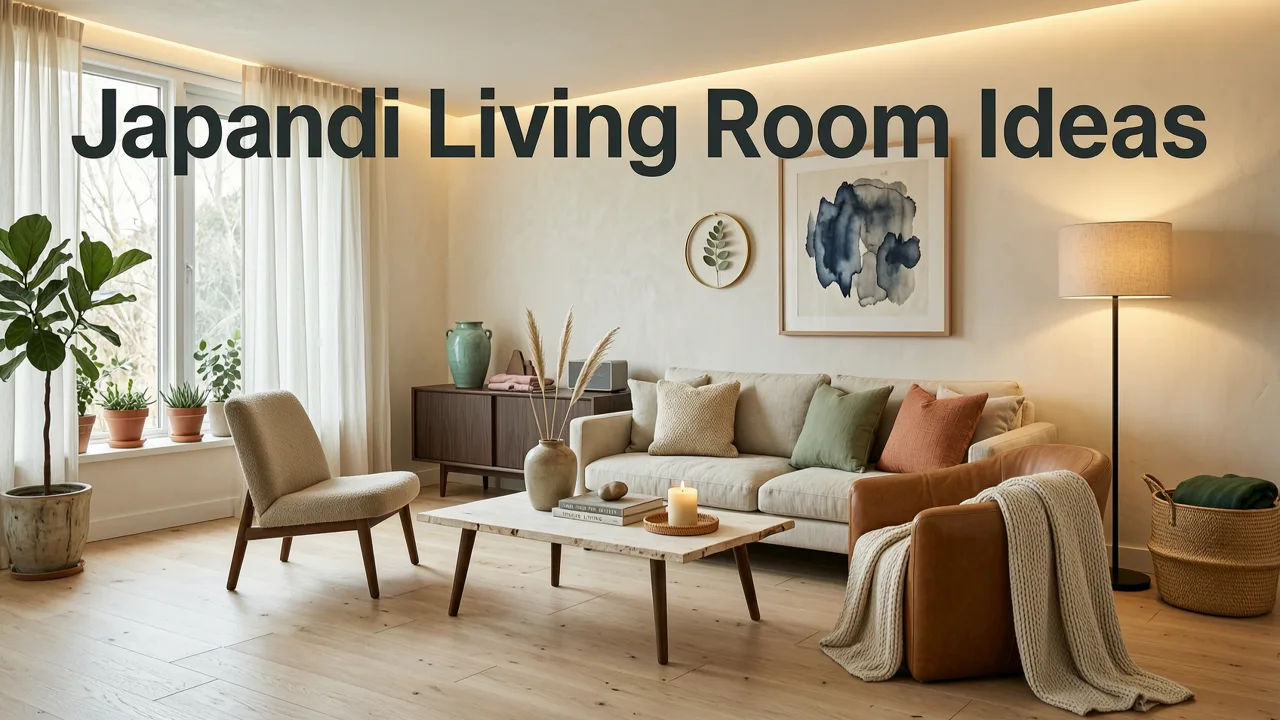
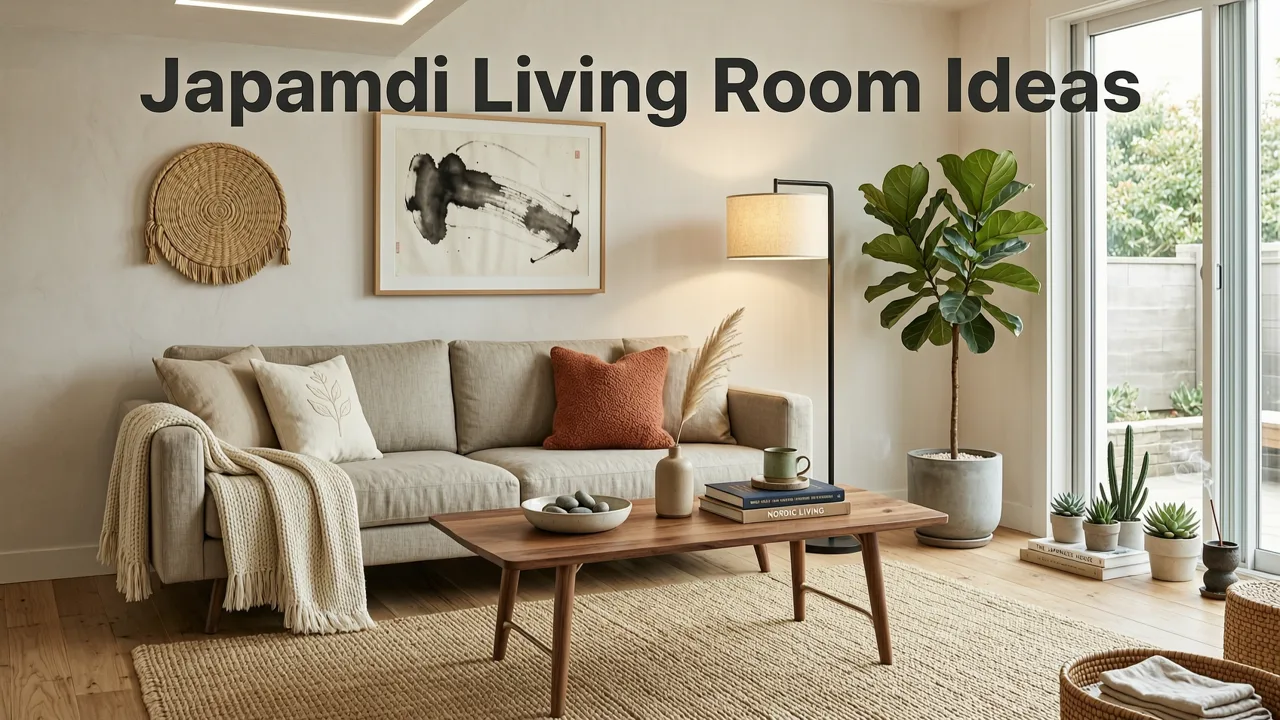
The shift toward intentional living has permanently altered how we approach our homes. The desire for a personal sanctuary remains strong, but the aesthetic has evolved. We have moved past stark, clinical minimalism and overly cluttered maximalism. Japandi offers a perfect middle ground. It honors the beauty of imperfection through Japanese wabi-sabi principles while embracing the cozy, functional contentment of Scandinavian hygge. This balance makes it incredibly versatile, working just as well in a compact urban apartment as it does in a sprawling suburban home.
The Core Elements of Japandi Living Room Ideas
Balancing Japanese Wabi-Sabi and Scandinavian Hygge
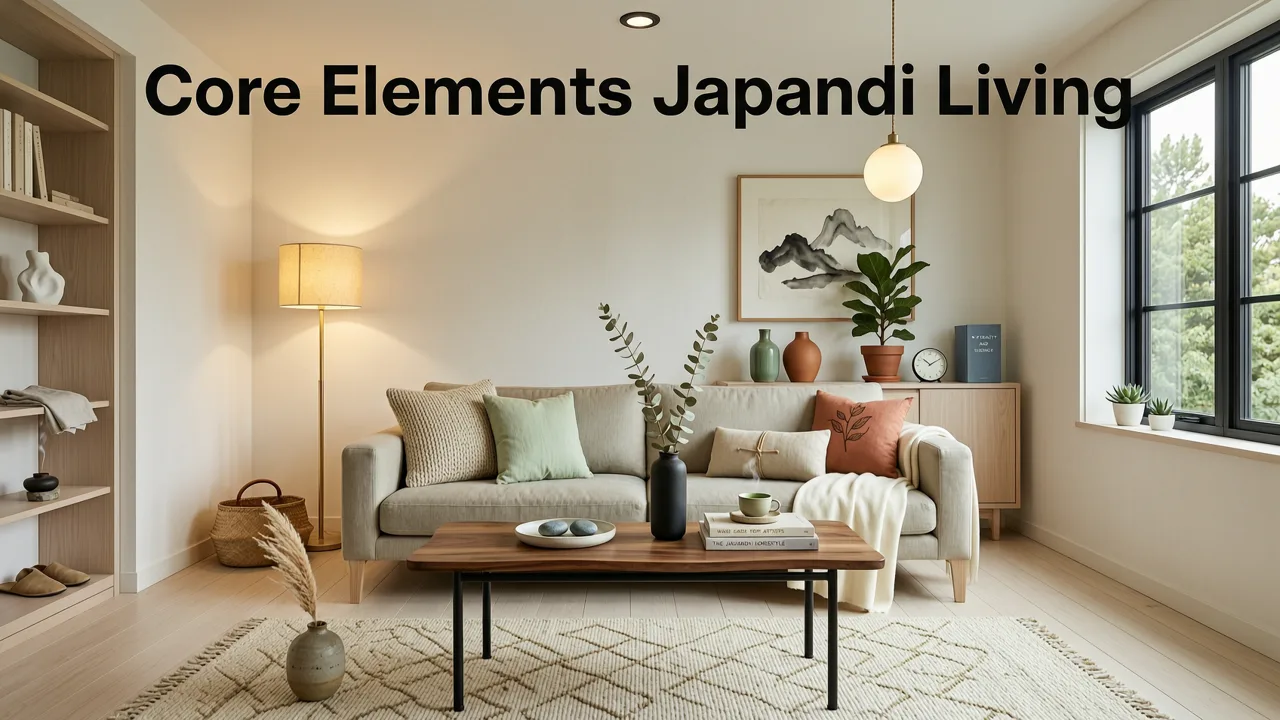
At the heart of this style is a deep respect for craftsmanship and natural materials. Wabi-sabi teaches us to find beauty in the imperfect, the impermanent, and the incomplete. Think of a hand-thrown ceramic vase with an uneven glaze or a raw edge wooden table. Hygge, on the other hand, focuses on comfort and well-being. When you combine these philosophies, you get a room that is visually intriguing but physically comforting. You avoid the coldness that sometimes plagues pure minimalist designs by introducing soft textiles, warm lighting, and organic forms.
Choosing the Right Neutral Color Palettes
The foundation of any Japandi space is a restrained, nature-inspired color palette. You will rarely see bold, primary colors. Instead, rely on warm whites, soft greiges, muted sage greens, and earthy terracottas. Picking the exact right base coat is critical, as lighting can drastically change how these subtle tones appear throughout the day. Using a tool like our white wall paint AI visualization allows you to test these delicate neutrals in your actual room under your specific lighting conditions, ensuring the backdrop feels cohesive rather than washed out.
Top 10 Japandi Living Room Ideas
by Omni Home Ideas
Integrating Natural Wood Textures and Organic Shapes
Wood is the foundational material of Japandi design. However, the finish matters significantly. Avoid high-gloss lacquers and opt for matte, oiled, or raw wood textures. Light oak, ash, and walnut are the most popular choices. The furniture should feature clean lines but incorporate organic shapes—curved sofa edges, oval coffee tables, and rounded armchairs. These soft curves counteract the rigid geometry of modern architecture, making the room feel more inviting and human-centric.
5 Japandi Living Room Ideas to Try in Your Home
1. The Low-Profile Lounge
One of the most defining characteristics of Japanese interior design is the relationship with the floor. Bringing furniture closer to the ground creates a sense of expanded vertical space and promotes a grounded, relaxed posture. Look for low-slung modular sofas, floor cushions, and low wooden coffee tables. This layout encourages a more intimate, conversational seating arrangement and makes ceilings appear higher than they actually are.
2. The Minimalist Paper Lantern Glow
Lighting in a Japandi living room should never be harsh or overly bright. The goal is a diffused, ambient glow that mimics natural sunlight. Rice paper pendant lights, such as the iconic Noguchi Akari lamps, are a staple. They filter light beautifully, casting soft shadows and adding a sculptural element to the room even when turned off. Layer this with hidden LED strips and a few strategically placed floor lamps to create a warm, multi-dimensional lighting scheme.
3. Earthy Textured Accent Walls
While Japandi avoids loud patterns, it heavily embraces texture. An accent wall can add immense depth without introducing distracting colors. Consider applying a limewash paint, a microcement finish, or a subtly textured natural wallpaper. If you are looking for more inspiration on how to execute this without overwhelming the space, our guide on accent wall paint ideas for 2026 breaks down how to use tone-on-tone textures to create a sophisticated, tactile backdrop.
4. Woven Rattan and Bamboo Accents
To enhance the natural warmth of the room, incorporate woven elements. Rattan, bamboo, and water hyacinth are excellent choices for adding visual interest. Use them for light fixture shades, storage baskets, or the detailing on cabinet doors. These materials introduce a subtle, irregular texture that aligns perfectly with the wabi-sabi appreciation for natural imperfections and handcrafted details.
5. The Indoor-Outdoor Zen Garden View
Japandi design blurs the boundary between the built environment and nature. Maximize your connection to the outdoors by keeping window treatments minimal—think sheer linen curtains that diffuse light without blocking the view. Inside, introduce carefully curated greenery. A single, sculptural bonsai tree, a tall monstera in a matte ceramic pot, or a simple ikebana arrangement can serve as a living piece of art that changes with the seasons.
How to Visualize Japandi Living Room Ideas with AI
The biggest challenge with adopting a new design style is the fear of making an expensive mistake. Will that low-profile sofa actually fit the scale of your room? Will the walnut wood tones clash with your existing flooring? This is where AI room visualization becomes an indispensable tool. By simply uploading a photo of your current living room and selecting a Japandi style prompt, you can generate photorealistic renders in seconds.
These advanced tools rely on sophisticated multimodal models. According to OpenAI documentation, modern AI systems are trained on vast datasets of interior photography, allowing them to understand complex spatial relationships, lighting physics, and material textures. The AI does not just paste a 2D image over your photo; it reconstructs the 3D geometry of your room and applies the Japandi aesthetic accurately, respecting your existing windows, doors, and architectural quirks.
It is also important to remember that AI is a collaborative tool. As emphasized in Google AI guidance, technology should augment human creativity and decision-making, not replace it. Use the AI to explore different Japandi configurations, test out bold ideas like dark wood accents versus light oak, and narrow down your preferences before committing to physical purchases.
Furthermore, if you are working with a compact space, Japandi principles are inherently designed to make rooms feel larger. The emphasis on light colors, low-profile furniture, and uncluttered surfaces is a game-changer. You can even cross-reference your AI renders with our guide on the best white paint for small rooms to ensure your wall colors are actively working to expand the visual footprint of your living area.
Japandi vs. Other Minimalist Styles: A Quick Comparison
To help you decide if Japandi is the right fit for your home, it is helpful to compare it against other popular minimalist and modern styles.
| Feature | Japandi | Pure Minimalism | Mid-Century Modern |
|---|---|---|---|
| Core Philosophy | Warmth, nature, and intentional living | Functionality and reduction of excess | Retro-futurism and clean geometry |
| Color Palette | Warm neutrals, earthy tones, soft greiges | Stark whites, blacks, and cool grays | Mustard, teal, olive, and warm woods |
| Materials | Raw wood, linen, rattan, paper, ceramics | Glass, steel, polished concrete, leather | Teak, velvet, molded plastic, brass |
| Furniture Profile | Low-profile, organic curves, matte finishes | Sleek, geometric, hidden storage | Elevated legs, tailored upholstery |
| Overall Vibe | Zen, cozy, grounded, and tactile | Crisp, airy, and highly structured | Nostalgic, vibrant, and dynamic |
Final Thoughts on Japandi Living Room Ideas
Embracing japandi living room ideas is about more than just following a trend; it is about curating a space that actively supports your well-being. By blending the serene imperfection of Japanese aesthetics with the cozy functionality of Scandinavian design, you create a living room that is both a visual retreat and a highly practical space for daily life.
The beauty of this style lies in its adaptability. Whether you are renovating a sprawling open-concept area or simply refreshing a small urban apartment, the principles of Japandi can be scaled to fit your needs. The most important step is to visualize your ideas before you start spending money. Use AI visualization tools to experiment with layouts, textures, and color palettes until you find the perfect balance. Once you see your room transformed on screen, you will have the confidence to bring that tranquil, intentional Japandi vision into the real world.