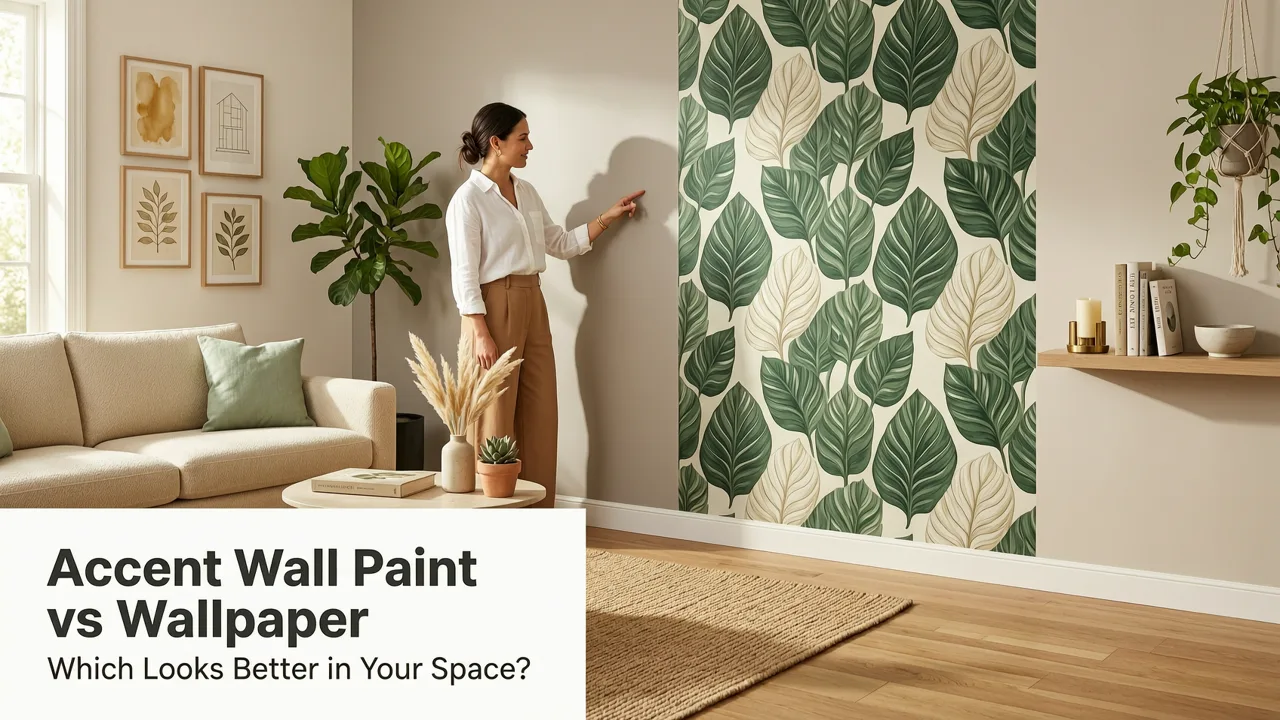
Accent Wall Paint vs Wallpaper: Which Looks Better in Your Space?
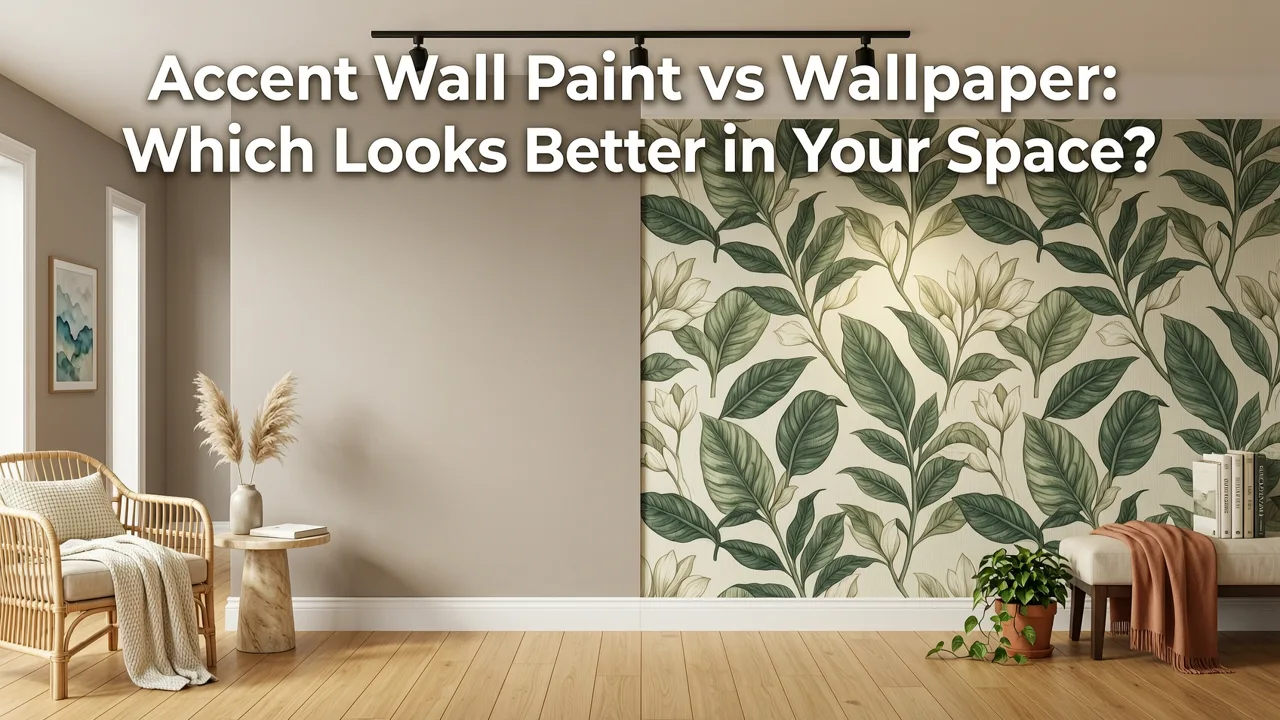
If you have been weighing accent wall paint vs wallpaper, here is the short version: paint is faster, cheaper, and easier to refresh, while wallpaper delivers richer texture, pattern, and long-term character. The right choice depends on the room, your budget, your tolerance for installation, and how often you like to change your mind. In 2026, both options have evolved, and a new third option, AI visualization, lets you preview either finish on your actual wall in seconds before you buy a single can or roll.
This guide breaks down everything homeowners, renters, and designers need to decide between an accent wall paint vs wallpaper, including cost, durability, design impact, maintenance, and the smartest way to test both before committing.
Why the Accent Wall Paint vs Wallpaper Decision Matters More in 2026
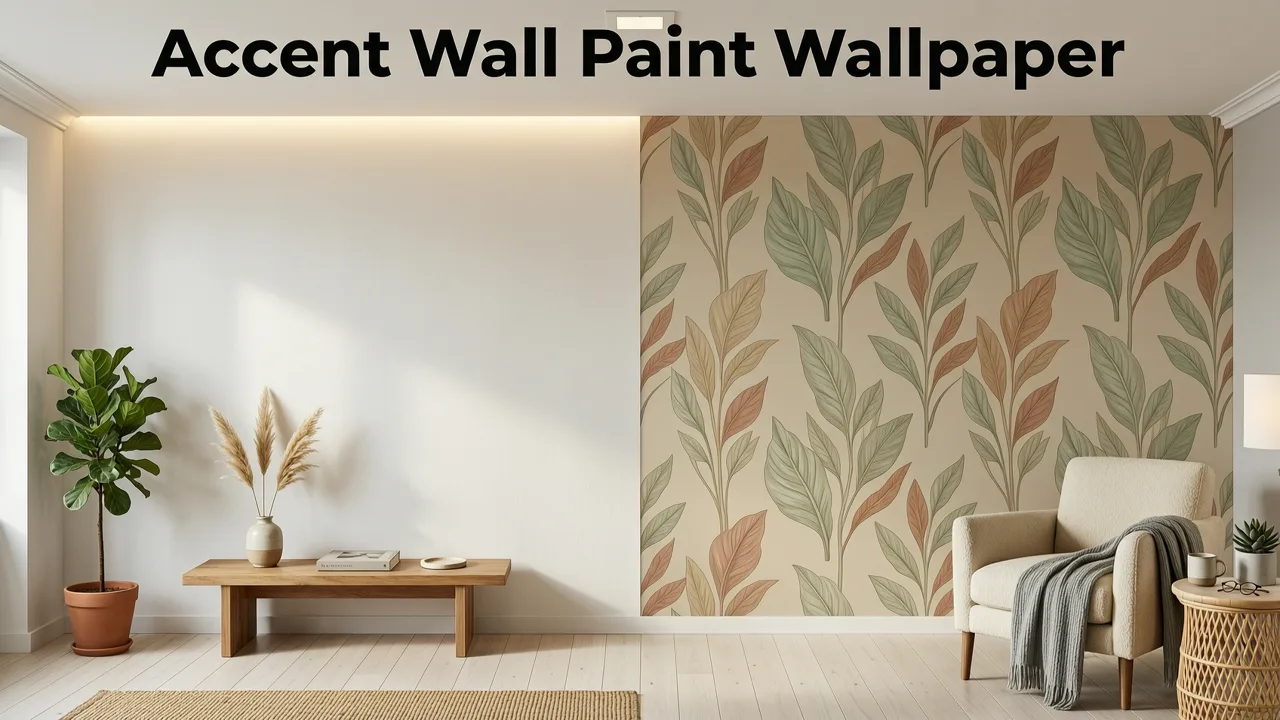
Accent walls remain one of the most effective ways to add depth, mood, and architectural interest to a room without a full renovation. What has changed is how informed buyers are expected to be. In 2026, paint technology offers washable, low-VOC, self-priming finishes that last a decade. Wallpaper has moved far beyond dated florals into peel-and-stick murals, textured grasscloths, and digitally printed designs that rival custom art.
Wallpaper vs. Paint: The Ultimate Cost & Design Showdown
by The Paint People
Choosing between accent wall paint vs wallpaper is no longer just about color. It is about texture, light behavior, resale value, and how your wall interacts with the rest of your interior. A poorly chosen finish can flatten a room, while the right one can make a modest space feel curated and intentional.
What Is an Accent Wall, and Why Choose One?
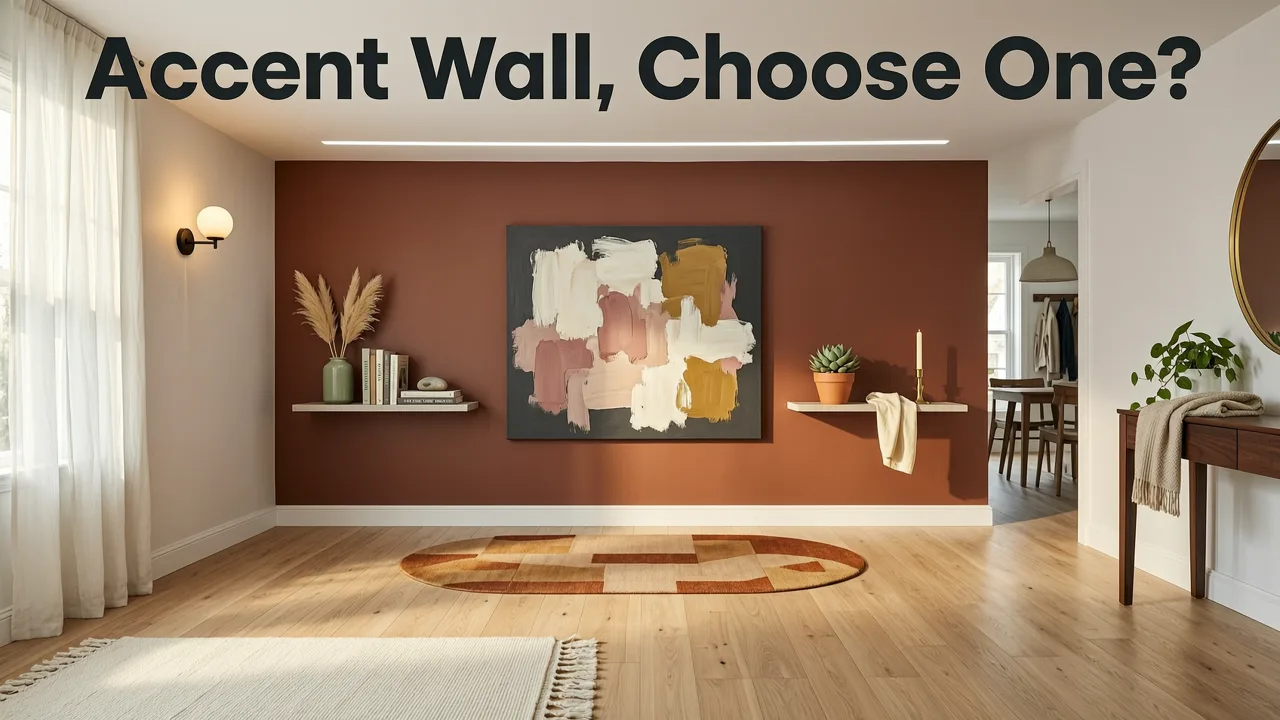
An accent wall is a single wall treated differently from the others in a room, usually the wall your eye lands on first. It can anchor a bed, frame a fireplace, or define a dining area in an open-plan home. The goal is contrast without chaos.
Homeowners choose accent walls because they deliver maximum visual impact for minimum commitment. Instead of painting or papering an entire room, you focus your effort, budget, and design risk on one surface. That makes the accent wall paint vs wallpaper decision even more important, because that one wall carries a lot of weight.
Accent Wall Paint: Pros, Cons, and What to Expect
The advantages of paint
- Lower cost. A gallon of premium interior paint in 2026 typically covers 350 to 400 square feet. A single accent wall usually requires one to two gallons.
- Speed. A painter or confident DIYer can prep, cut in, and roll an accent wall in a single afternoon.
- Flexibility. Paint colors can be changed in a weekend. This matters for renters and homeowners who refresh their style every few years.
- Seamless finish. Paint handles odd corners, outlets, and trim details more cleanly than most wallpaper.
- Modern formulations. Today’s paints include built-in primer, scrubbable finishes, and near-zero VOCs, making them safer and more durable than older options.
The limitations of paint
- Flat visual texture. Even high-end matte or satin paints lack the tactile depth of textured wallpaper.
- Limited pattern. Paint delivers color and sheen, but not graphic pattern, mural-scale imagery, or organic texture.
- Surface prep still matters. Imperfections show through paint more obviously than through textured wallcoverings.
Wallpaper: Pros, Cons, and What to Expect
The advantages of wallpaper
- Pattern and personality. Wallpaper introduces scale, motif, and storytelling that paint cannot replicate.
- Texture. Grasscloth, linen-look, embossed vinyl, and metallic finishes add a tactile layer that reads as high-end.
- Durability. Quality non-woven wallpaper can last 10 to 15 years and resists scuffs better than most paint.
- Peel-and-stick options. Renters and cautious homeowners can test wallpaper without traditional paste.
- Mural capability. Custom murals turn an accent wall into a focal art piece.
The limitations of wallpaper
- Higher cost. A single accent wall in premium wallpaper can easily cost two to four times more than paint.
- Installation skill. Pattern matching, seam alignment, and corner wrapping require patience and practice.
- Removal risk. Traditional paste wallpaper can damage drywall if removed improperly.
- Commitment. Changing wallpaper is a bigger project than repainting.
Accent Wall Paint vs Wallpaper: Side-by-Side Comparison
This table summarizes the key differences between accent wall paint vs wallpaper for a typical 12-by-9-foot bedroom accent wall in 2026.
| Factor | Accent Wall Paint | Accent Wall Wallpaper |
|---|---|---|
| Average material cost | $60 to $150 | $150 to $600+ |
| Installation time | 3 to 5 hours | 4 to 10 hours |
| Durability | 5 to 10 years | 10 to 15 years |
| Texture and depth | Low to moderate | Moderate to high |
| Pattern options | Color and sheen only | Unlimited pattern, mural, texture |
| Renter friendliness | High | Moderate (peel-and-stick best) |
| Removal difficulty | Easy repaint | Moderate to difficult |
| Best for | Frequent refreshers, tight budgets | Statement rooms, long-term homes |
Which Rooms Suit Paint Better
Some spaces naturally favor paint. Bathrooms with high humidity, children’s rooms that need frequent color changes, and small hallways where bold pattern can overwhelm all benefit from the clean simplicity of paint. Kitchens also tend to work better with paint on accent walls, where grease and steam make wallpaper maintenance harder.
Paint is also the smarter choice when your accent wall includes a lot of trim, built-ins, or architectural detail. Wallpaper around detailed millwork is difficult to execute cleanly, while paint flows around these features with minimal effort.
Which Rooms Suit Wallpaper Better
Wallpaper shines in rooms where you want drama, intimacy, or a curated design moment. Dining rooms, primary bedroom headboard walls, powder rooms, and home libraries are classic wallpaper destinations. A textured grasscloth in a study or a moody mural behind a bed can elevate the entire home.
Wallpaper also works well on large, unbroken walls where pattern can breathe. If your accent wall is wide and relatively free of interruptions, wallpaper delivers maximum impact.
How to Decide: A Simple Framework
If you are still stuck on accent wall paint vs wallpaper, use this four-question framework:
- How long do you plan to stay? Under five years favors paint. Longer stays justify wallpaper investment.
- What is your design goal? Color shift and subtlety favor paint. Pattern, texture, and statement favor wallpaper.
- What is your skill and time budget? Limited DIY experience favors paint or peel-and-stick wallpaper.
- What is the room’s traffic and moisture level? High traffic or moisture favors washable paint or vinyl wallpaper.
The 2026 Shortcut: Preview Both Before You Commit
One of the biggest reasons homeowners hesitate between accent wall paint vs wallpaper is the fear of committing to the wrong finish. In 2026, that problem has a solution. AI interior design tools let you upload a photo of your actual room and instantly visualize it with different paint colors, wallpaper patterns, and even full style makeovers.
This is where a platform like AI Interior Design becomes genuinely useful. Instead of taping paint swatches to the wall or ordering wallpaper samples that look different in your light, you see a photorealistic preview of your room with the exact finish you are considering. You can test a deep navy paint one minute and a botanical wallpaper the next, all on your real wall, in your real light.
This approach also helps when you are designing beyond a single wall. If you are rethinking an entire room, exploring 15 modern garden design ideas for 2026 for outdoor spaces, or even considering how interior finishes flow into exterior curb appeal, AI visualization keeps your decisions grounded in your actual space.
Cost Breakdown: What You Will Actually Spend
Budget is often the deciding factor in accent wall paint vs wallpaper. Here is a realistic 2026 breakdown for a standard 12-by-9-foot accent wall.
| Item | Paint Route | Wallpaper Route |
|---|---|---|
| Materials | $80 to $150 | $180 to $550 |
| Tools and prep | $30 to $60 | $40 to $90 |
| Professional labor (optional) | $250 to $450 | $400 to $900 |
| Total DIY range | $110 to $210 | $220 to $640 |
| Total professional range | $330 to $600 | $580 to $1,450 |
These ranges reflect mid-tier quality in 2026. Luxury wallpapers, hand-painted murals, and specialty paints push costs higher, while budget options can bring them down.
Design Trends Shaping the Decision in 2026
Several design trends are influencing how homeowners approach accent wall paint vs wallpaper this year.
- Moody, saturated paint colors. Deep greens, inky blues, and warm terracottas are replacing safe greys on accent walls.
- Textured wallpaper revival. Grasscloth, limewash-look vinyl, and fabric-backed wallcoverings are popular in primary suites and studies.
- Mural accent walls. Custom murals, especially nature-inspired and abstract scenes, are a strong choice for bedrooms and dining rooms.
- Biophilic design. Both paint and wallpaper are leaning into organic, nature-derived palettes and patterns.
- Renter-friendly upgrades. Peel-and-stick wallpaper and premium washable paints are empowering renters to personalize without losing deposits.
If you are exploring biophilic themes indoors, you may also want to see how they extend outdoors. Our guide on Japanese garden design for beginners shows how the same natural principles apply from your living room wall to your backyard.
Maintenance and Longevity
Paint is easier to touch up. A scuff or nail hole can be fixed with a small brush and leftover paint in minutes. Wallpaper is more resistant to everyday wear but harder to repair if torn or stained. Most modern non-woven wallpapers can be gently cleaned with a damp cloth, but patterned designs can make spot repairs noticeable.
In high-traffic areas like hallways and kids’ rooms, scrubbable matte paint often outperforms wallpaper over time. In low-traffic, low-moisture rooms like formal dining spaces, wallpaper’s longevity becomes a real advantage.
Hybrid Approaches: Why Not Both?
Many designers in 2026 are combining paint and wallpaper on the same accent wall. A common technique is to paint the lower two-thirds of the wall and apply wallpaper or a mural to the upper third, often framed with a simple molding. This delivers the depth of wallpaper with the flexibility of paint, and it works especially well in bedrooms and dining rooms.
Another hybrid approach is to use a bold paint color on the main accent wall and a subtle textured wallpaper on an adjacent wall, such as behind a bookshelf or inside built-in niches. This layered strategy adds richness without overwhelming the space.
Common Mistakes to Avoid
- Choosing pattern before assessing light. Dark, busy wallpaper can collapse a dim room. Always test in your actual lighting.
- Ignoring scale. Oversized pattern on a small wall feels chaotic. Tiny pattern on a large wall reads as noise.
- Skipping prep. Both paint and wallpaper fail faster on unprimed, dirty, or uneven walls.
- Forgetting the ceiling and trim. An accent wall only works if the surrounding surfaces support it.
- Committing without visualizing. In 2026, there is no excuse for guessing. Use AI visualization to preview your finish before purchase.
Frequently Asked Questions
Is an accent wall still in style in 2026?
Yes. Accent walls remain a popular design strategy in 2026, though the trend has shifted from bright feature colors to richer, moodier tones and textured wallcoverings. The key is intentionality: the accent wall should feel like a deliberate design choice, not an afterthought.
Which is cheaper, paint or wallpaper, for an accent wall?
Paint is almost always cheaper. A DIY accent wall in paint typically costs between $110 and $210, while a DIY wallpaper accent wall ranges from $220 to $640, depending on material quality.
Can I use wallpaper in a bathroom?
Yes, but choose vinyl or moisture-resistant wallpaper and ensure the room is well ventilated. Avoid paper-backed or natural fiber wallpapers in full bathrooms.
How do I visualize paint vs wallpaper before committing?
AI interior design tools let you upload a photo of your room and instantly preview different paint colors and wallpaper patterns on your actual walls. This removes the guesswork and helps you compare finishes side by side.
Does wallpaper add value to a home?
High-quality, well-installed wallpaper in key rooms such as primary suites, dining rooms, and powder rooms can enhance perceived value. Poorly installed or overly trendy wallpaper can have the opposite effect.
Final Thoughts: Choose the Finish That Fits Your Life
The accent wall paint vs wallpaper debate does not have a single winner. Paint wins on cost, speed, and flexibility. Wallpaper wins on texture, pattern, and long-term character. The best choice depends on your room, your timeline, your budget, and your design personality.
In 2026, you no longer have to choose blindly. Use AI visualization to preview both finishes on your real wall, compare them side by side, and make a decision you can feel confident about. Whether you go with a moody painted accent, a statement wallpaper, or a hybrid of both, the right finish will transform your space in ways that go far beyond color.
Ready to see your accent wall come to life? Upload a photo of your room to AI Interior Design and visualize paint, wallpaper, and full room makeovers in seconds.