Why Choosing the Best Green Paint for Small Bedroom Spaces Matters More Than You Think
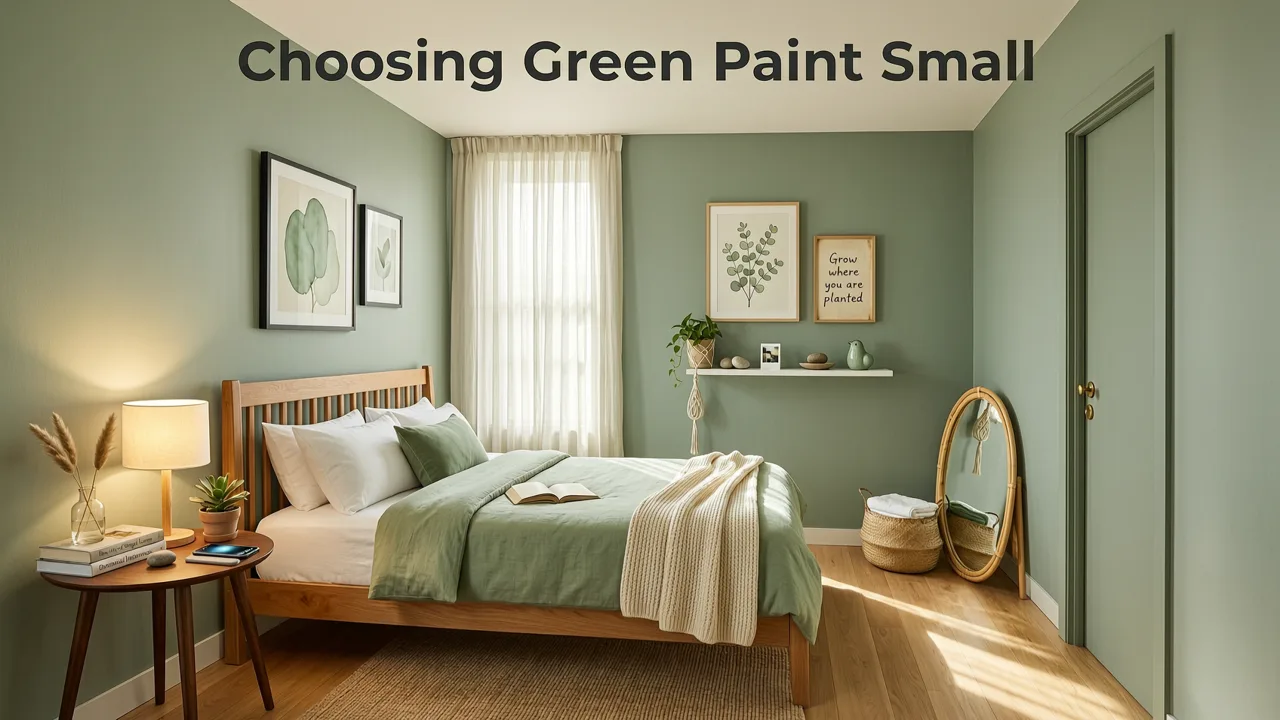
If you're searching for the best green paint for small bedroom makeovers, you already understand that color is never just decorative — it's architectural. In a compact room, the wrong green can make the walls feel like they're closing in, while the right shade can stretch the space, calm the mind, and transform a 10-by-10-foot box into a retreat. The answer, in 2026, isn't buying five sample pots and waiting weeks. It's combining smart shade selection with AI-powered visualization so you can see the exact green on your exact walls before a single brush touches the surface.
This guide walks you through the top green paint shades that interior designers and homeowners are specifying this year, how lighting and room dimensions change the way green reads on a wall, which finishes work best in small bedrooms, and how to preview every option instantly using AI visualization tools like AI Interior Design. By the end, you'll know which green to choose — and you'll have already seen it on your walls.
What Makes a Green Paint Work in a Small Bedroom?
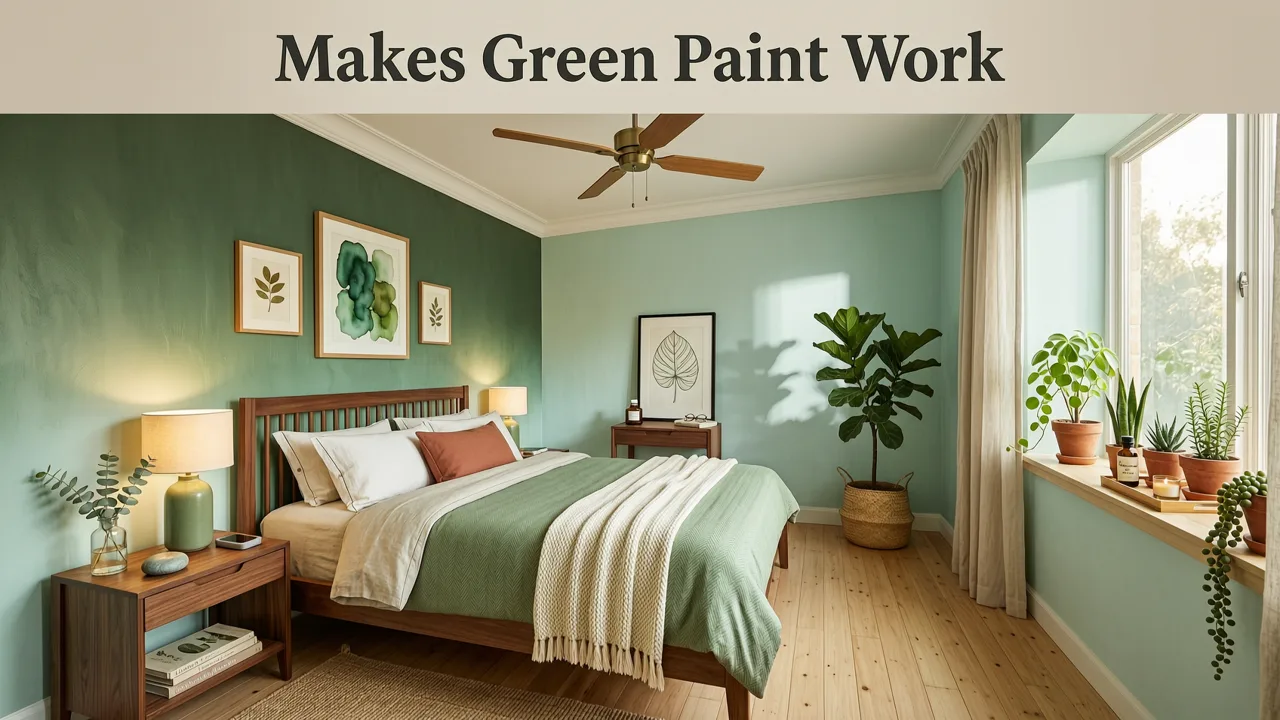
Not all greens are created equal when the square footage is tight. A small bedroom amplifies everything about a color: its warmth, its coolness, its saturation, and its interaction with light. Before we get into specific shades, it helps to understand the three variables that determine whether a green will feel expansive or suffocating.
5 Best Green Paint Color For A Soothing Bedroom
by Jacob Owens Designs
1. Light Reflectance Value (LRV)
LRV measures how much light a paint color reflects on a scale of 0 (absolute black) to 100 (pure white). In a small bedroom, you generally want an LRV between 30 and 55 for a green shade. Below 30, the room can feel cave-like unless you have abundant natural light. Above 55, the green starts reading more as an off-white with a green whisper, which may not deliver the mood you're after.
2. Undertone Temperature
Green sits on the color wheel between warm yellow and cool blue. A green with yellow undertones (think sage, olive, pistachio) feels cozy and grounding — ideal for north-facing rooms that need warmth. A green with blue undertones (think emerald, teal, seafoam) feels crisp and receding — ideal for south-facing rooms that already get plenty of warm light.
3. Saturation and Depth
Highly saturated greens command attention and can make a small room feel intimate and jewel-box-like. Low-saturation greens (muted, dusty, greyed-out) feel airy and expansive. For most small bedrooms, designers in 2026 are gravitating toward medium-saturation, medium-depth greens that offer personality without overwhelming.
The 7 Best Green Paint Colors for Small Bedrooms in 2026
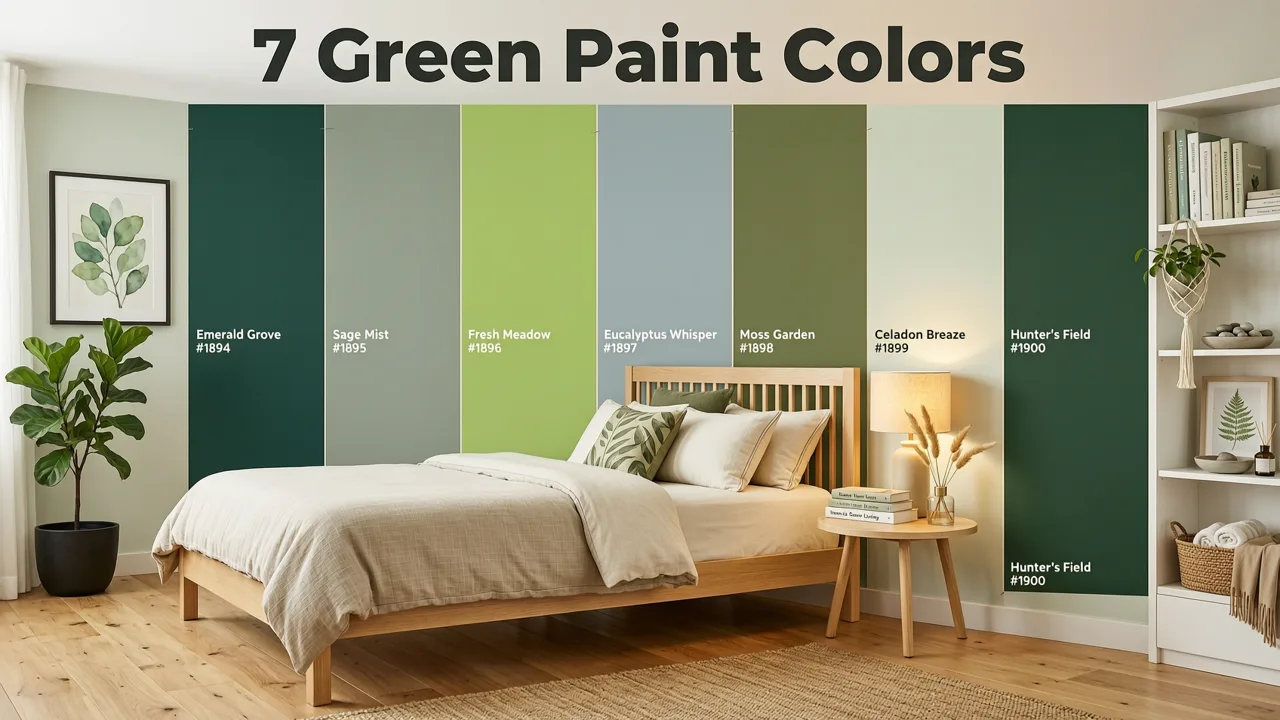
These shades have been trending across residential projects this year, cited by interior designers for their versatility in compact sleeping spaces. Each one has been tested across different lighting conditions and room sizes.
1. Sage Green — The Universal Small-Bedroom Winner
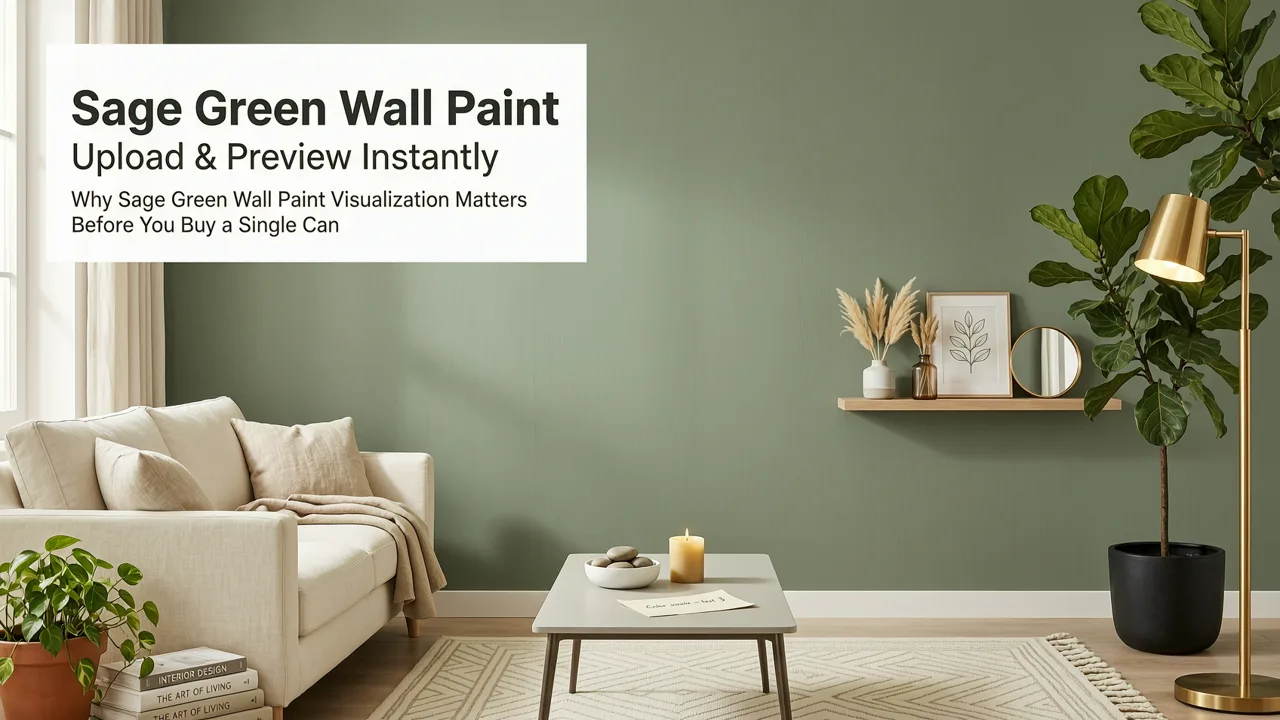
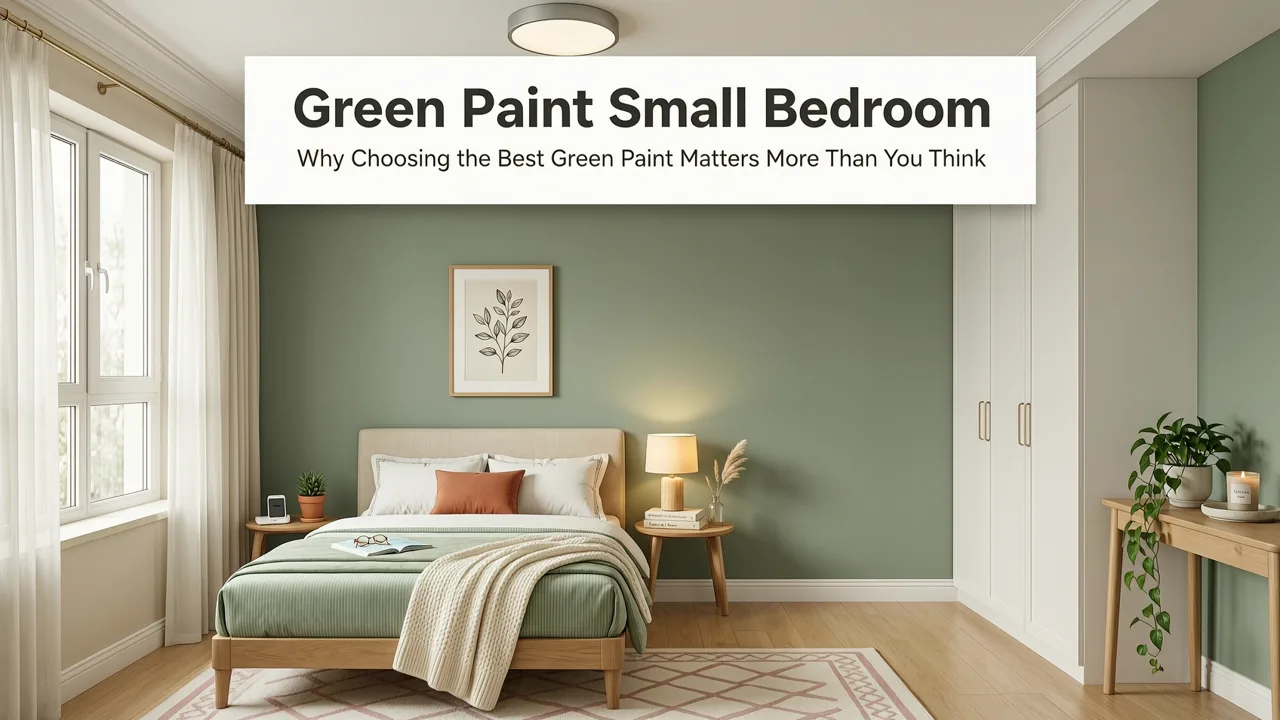
Sage remains the most requested green for small bedrooms in 2026. Its grey-green undertone keeps it neutral enough to pair with virtually any furniture palette, while its soft warmth prevents the room from feeling clinical. Sage works especially well in bedrooms with white or cream trim, natural wood furnishings, and linen textiles. It reads as calming without reading as bland.
2. Soft Olive — Warmth Without Heaviness
Olive green has shed its dated reputation. Modern soft olive shades carry just enough yellow undertone to feel enveloping in a small bedroom, particularly in rooms with limited natural light. Pair it with warm brass hardware and cream bedding, and the room feels like a boutique hotel suite. The key is choosing an olive that's desaturated enough to avoid feeling muddy.
3. Dusty Seafoam — Cool and Expansive
If your small bedroom faces south or gets intense afternoon light, a dusty seafoam green is an excellent choice. The blue undertone makes walls feel like they're receding, which visually expands the room. It pairs beautifully with white ceilings, light oak flooring, and botanical prints. In 2026, this shade has become particularly popular in coastal and Scandinavian-inspired bedrooms.
4. Deep Emerald — The Jewel-Box Effect
Yes, you can go dark in a small bedroom. Deep emerald green creates a cocooning, luxurious effect that many homeowners now prefer over safe, light neutrals. The trick is committing fully: emerald works best when paired with rich textures (velvet, wool, lacquered wood), warm metallic accents, and layered lighting. It turns a small bedroom into a dramatic statement rather than a limitation.
5. Pistachio — Playful and Light
For small bedrooms in children's rooms, guest rooms, or spaces where you want an upbeat energy, pistachio green offers a fresh, cheerful tone without crossing into nursery territory. It has enough yellow warmth to feel inviting and enough brightness to keep the room feeling open. It pairs naturally with white, coral, and natural rattan.
6. Grey-Green (Greige-Green) — The Transitional Choice
If you love the idea of green but worry about committing, grey-green is the 2026 answer. These shades sit at the intersection of green, grey, and sometimes a whisper of blue. They read as sophisticated neutrals in low light and reveal their green character in direct sunlight. Ideal for small bedrooms that need to feel both calm and designed.
7. Forest Green Accent — Strategic, Not Total
Not every small bedroom needs all four walls in green. One of the strongest trends in 2026 is using a deep forest green on a single accent wall — typically the wall behind the bed — while keeping the remaining walls in a warm white or soft neutral. This delivers the mood and depth of green without reducing the perceived size of the room.
Best Green Paint for Small Bedroom: Shade Comparison Table
| Shade | Undertone | LRV Range | Best For | Mood |
|---|---|---|---|---|
| Sage Green | Grey-green, neutral | 40–50 | Most small bedrooms, any light direction | Calm, grounded |
| Soft Olive | Yellow-green, warm | 35–45 | North-facing rooms, low natural light | Cozy, enveloping |
| Dusty Seafoam | Blue-green, cool | 45–55 | South-facing rooms, bright light | Airy, expansive |
| Deep Emerald | Blue-green, saturated | 10–20 | Bedrooms with rich textures and warm lighting | Luxurious, dramatic |
| Pistachio | Yellow-green, bright | 50–60 | Children's rooms, guest rooms | Fresh, cheerful |
| Grey-Green | Grey-green-blue, muted | 35–50 | Transitional spaces, renters | Sophisticated, subtle |
| Forest Green (Accent) | Yellow-blue-green, deep | 8–15 | Accent walls behind the bed | Grounded, intentional |
How Lighting Changes Green Paint in a Small Bedroom
The same green paint can look completely different depending on your room's light exposure. This is the single most common reason homeowners regret a paint choice — and the reason AI visualization is so valuable before committing.
North-Facing Rooms
North-facing light is cool and bluish. Greens with warm undertones (sage, olive, pistachio) help counteract the coolness and keep the room from feeling sterile. Avoid blue-greens in north-facing small bedrooms unless you specifically want a very cool, spa-like atmosphere.
South-Facing Rooms
South-facing light is warm and golden. Almost any green works here, but cool greens (seafoam, teal, blue-green) are particularly effective because they balance the warmth of the light. Deep emerald also reads beautifully in south-facing rooms, where the abundant light prevents it from feeling too dark.
East- and West-Facing Rooms
These rooms shift dramatically throughout the day. East-facing rooms get warm morning light and cool afternoon light, while west-facing rooms are the opposite. Mid-tone greens with neutral undertones (sage, grey-green) are the safest choices because they adapt gracefully to changing light conditions.
Artificial Lighting
Don't forget that your bedroom's artificial lighting will also shift how green reads. Warm-white bulbs (2700K) pull greens toward yellow and warmth. Cool-white bulbs (4000K+) pull greens toward blue and crispness. In 2026, tunable smart lighting has made this less of a gamble — but it still matters when you're choosing your shade.
Which Finish Is Best for Green Paint in a Small Bedroom?
Paint finish affects both the visual depth of the color and the practical durability of the walls. For small bedrooms, here's how the most common finishes perform with green shades.
- Matte / Flat: Hides imperfections beautifully and gives green paint a rich, velvety depth. Ideal for ceilings and low-traffic walls. The downside is lower washability.
- Eggshell: The most popular choice for bedroom walls in 2026. It offers a subtle sheen that enhances green's depth without creating glare, and it's wipeable enough for everyday living.
- Satin: A step up in sheen and durability. Good for trim, doors, and accent walls where you want the green to have a slight luminosity. Can highlight wall imperfections in small rooms.
- Semi-Gloss: Best reserved for trim, baseboards, and built-ins. Using semi-gloss on full walls in a small bedroom can feel overly reflective and highlight every flaw.
For most small bedrooms, designers recommend eggshell on the walls and satin or semi-gloss on the trim. This creates a subtle contrast that adds visual interest without competing with the green itself.
How to Visualize Green Paint in Your Small Bedroom Before Committing
Here's where 2026 technology changes the game entirely. Instead of painting swatches, waiting for them to dry, and squinting at them in different light, you can now upload a photo of your actual bedroom and see it transformed in seconds.
Step 1: Photograph Your Room
Take a clear, well-lit photo of your small bedroom from the doorway or the corner that captures the most wall space. Include the ceiling line, floor, and any fixed elements like built-in shelving or window frames. Natural daylight photos give the most accurate color rendering.
Step 2: Upload to an AI Visualization Tool
Using a tool like AI Interior Design, upload your photo and select your desired green shade or style. The AI maps the color to your actual walls, respecting the room's proportions, lighting, and existing furnishings. This is fundamentally different from generic room visualizers — it understands architectural context, not just style transfer.
Step 3: Compare Multiple Shades Side by Side
The real power of AI visualization is speed. You can test sage green, then switch to soft olive, then try deep emerald — all on the same photo, in seconds. This eliminates the guesswork and lets you make confident decisions based on how each shade actually looks in your specific room.
Step 4: Share and Decide
Once you've narrowed down your options, share the visualizations with a partner, roommate, or designer. Having a concrete visual — not a tiny swatch card under fluorescent store lighting — makes the conversation infinitely more productive.
Common Mistakes to Avoid When Choosing Green Paint for a Small Bedroom
Even with the right shade in mind, a few missteps can undermine the result. Here are the pitfalls that interior designers see most often in small bedrooms.
- Choosing a green that's too saturated for the room size. High-saturation greens are stunning in large rooms with high ceilings. In a small bedroom, they can feel overwhelming unless you're deliberately going for a jewel-box effect and have the lighting and textures to support it.
- Ignoring the ceiling. In a small bedroom with green walls, painting the ceiling white creates a visual lift that makes the room feel taller. Painting it the same green can work in certain design schemes, but it's a bolder move that requires careful consideration.
- Forgetting about the floor. Green walls interact with whatever is beneath them. Dark wood floors with green walls create a grounded, enveloping feel. Light floors keep things airy. Carpet color matters too — a green wall with a clashing carpet tone can feel discordant.
- Not testing with AI first. In 2026, there's no excuse for committing to a paint color you've only seen on a 2-inch swatch. AI visualization tools let you see the full room context before spending a dollar on paint.
- Over-accessorizing with competing colors. Green walls are already a statement. Layering on too many additional colors through bedding, art, and decor can create visual chaos. Let the green breathe with neutrals, textures, and one or two accent colors at most.
Green Paint Pairings: What to Pair With Your Small Bedroom's Green Walls
The right furnishings and decor amplify your green paint choice. Here are proven pairings for the most popular small-bedroom greens.
- Sage green walls: Cream bedding, natural oak or walnut furniture, linen curtains, terracotta or blush accent pillows, woven jute rugs.
- Soft olive walls: Warm brass or antique gold hardware, ivory textiles, dark wood furniture, leather accents, dried botanical arrangements.
- Dusty seafoam walls: Crisp white bedding, light oak or bleached wood furniture, chrome or brushed nickel hardware, blue and white ceramics, light grey throws.
- Deep emerald walls: Velvet upholstery in jewel tones or charcoal, warm brass lighting, rich dark wood, silk or satin textiles, gilded mirrors.
- Pistachio walls: White furniture, coral or peach accents, natural rattan or bamboo, playful graphic prints, bright white trim.
Why AI Visualization Is Now Essential for Paint Selection
The traditional paint selection process — browsing swatch decks, buying sample pots, painting test patches, living with them for a few days — is time-consuming, wasteful, and often inaccurate. Sample pots cost money. Test patches look nothing like full walls. And the way a swatch looks in the store under commercial lighting is nothing like how it looks in your bedroom at 9 PM under your bedside lamp.
AI visualization solves all three problems simultaneously. It shows you the color on your full walls, in your actual lighting conditions, with your existing furnishings in place. And it does this in seconds, not days. For a decision as consequential as bedroom wall color — one that you'll live with every morning and every night — this technology isn't a luxury. It's the smart approach.
Whether you're a homeowner planning a weekend refresh, a renter considering a peel-and-paint update, or an interior designer presenting options to a client, AI visualization gives you confidence that the best green paint for small bedroom projects isn't just a theoretical choice — it's a proven one.
Final Thoughts: Choose Your Green With Confidence
The best green paint for your small bedroom depends on your room's light, your personal mood preferences, and how boldly you want to commit. Sage green remains the safest universal choice, soft olive brings warmth to cool rooms, dusty seafoam expands bright spaces, and deep emerald creates luxurious intimacy for those willing to go dark.
But the shade is only half the equation. The other half is seeing it — really seeing it — in your actual room before you buy a single gallon. With AI-powered visualization tools available today, there's no reason to guess. Upload a photo, test your top green choices, and walk into the paint store knowing exactly what you're choosing.
Ready to see your small bedroom transformed? Try AI Interior Design today and visualize your green paint makeover in seconds — no designer, no 3D software, just your real room, reimagined.