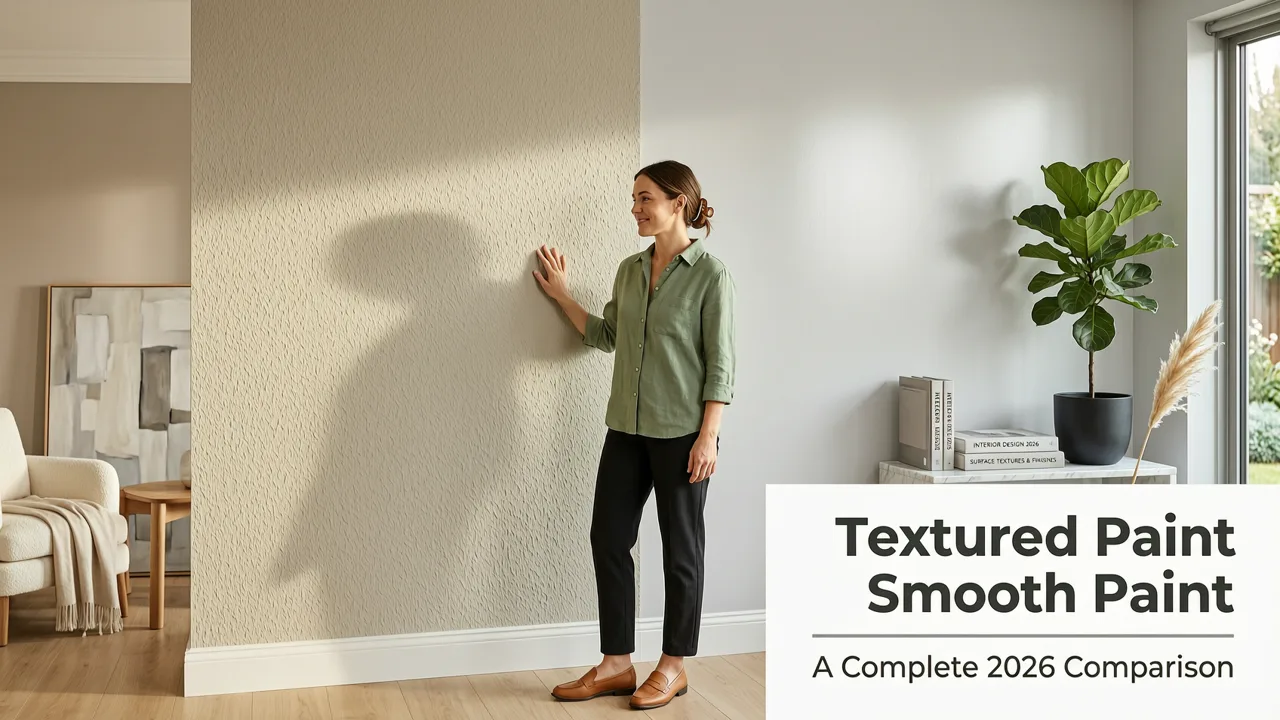
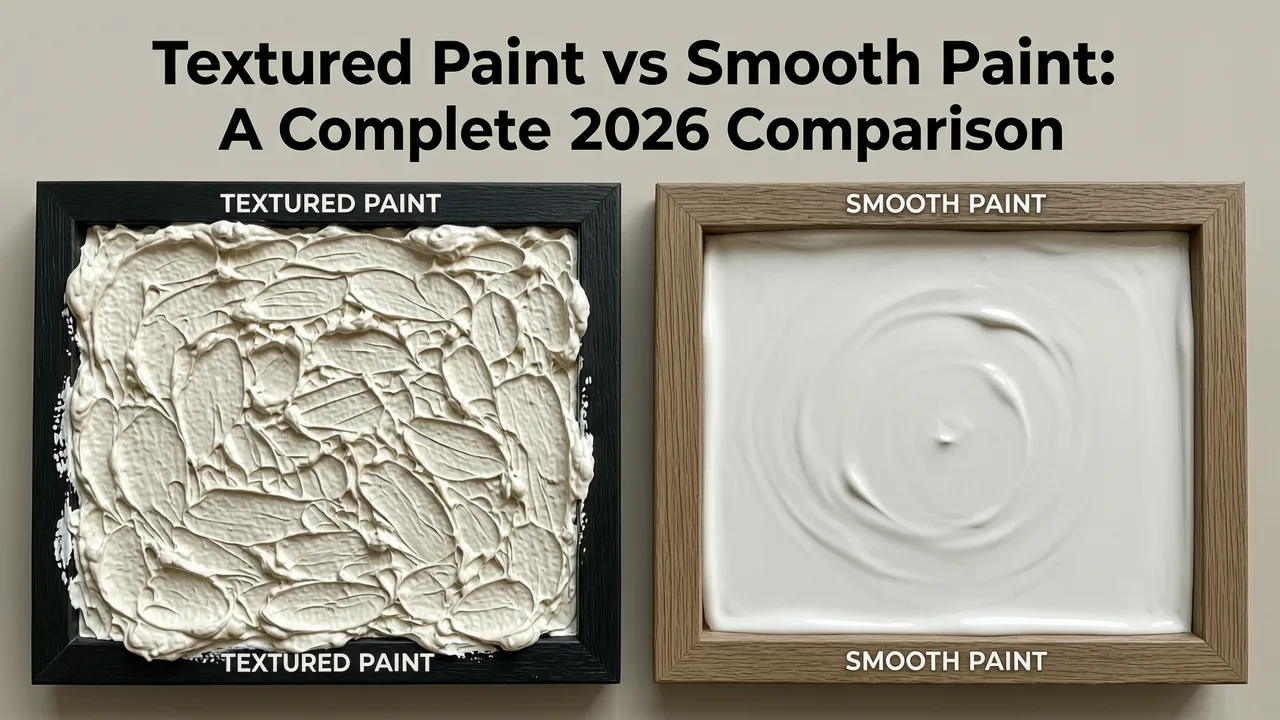
Textured Paint vs Smooth Paint: A Complete 2026 Comparison
If you have been weighing textured paint vs smooth paint, here is the short answer: smooth paint delivers a clean, modern look that is easier to touch up and works in nearly every room, while textured paint hides wall imperfections, adds visual depth, and excels in high-traffic or moisture-prone spaces. The right choice depends on your room, your walls, your budget, and the aesthetic you want to achieve.
Choosing between textured paint and smooth paint is one of the most common decisions homeowners face during a renovation. Both finishes have matured considerably by 2026, with new formulations, application tools, and even AI-powered visualization platforms making it easier than ever to preview your options before committing. This guide walks you through every factor that matters so you can make a confident, informed choice.
What Is Textured Paint?
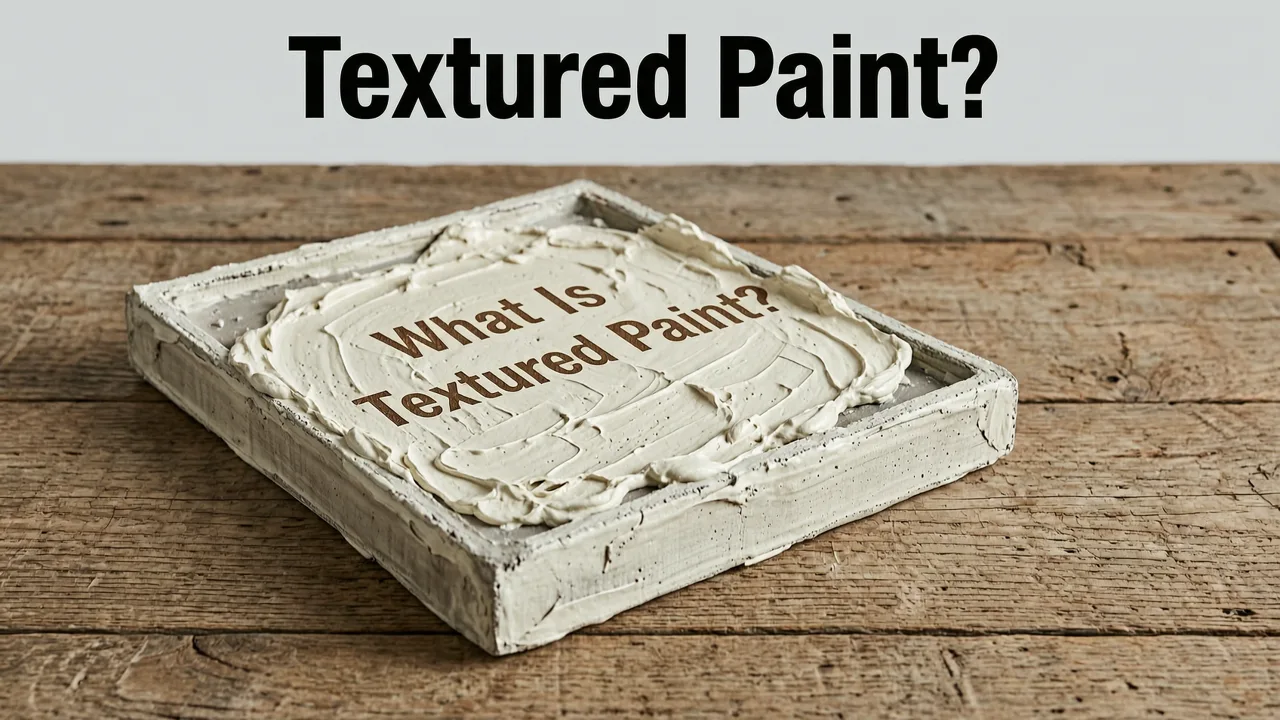
Textured paint is a coating that contains additives — sand, silica, synthetic beads, or fiber particles — that create a raised, tactile surface when applied to a wall. In 2026, textured paint products range from subtle fine-grain finishes that add gentle dimension to heavy-duty skip-trowel and popcorn-style coatings designed for maximum imperfection coverage.
Texture Painting Vs Vertex Painting: Which One Is The Best?
by InspirationTuts
Modern textured paints have moved far beyond the dated orange-peel ceilings of the 1980s. Today's formulations offer refined, contemporary textures such as linen, stucco-look, Venetian plaster effects, and matte micro-cement finishes that feel current and intentional.
Common Types of Textured Paint
- Sand-textured paint: Contains fine silica particles for a gritty, natural feel.
- Popcorn or acoustic texture: A bumpy, stippled finish historically used on ceilings for sound dampening.
- Skip-trowel texture: Applied with a trowel or wide knife for an irregular, artisan look.
- Orange-peel texture: A light, splattered finish applied with a hopper gun or roller.
- Slap brush texture: Created by dragging a stiff-bristled brush through wet paint for linear patterns.
What Is Smooth Paint?
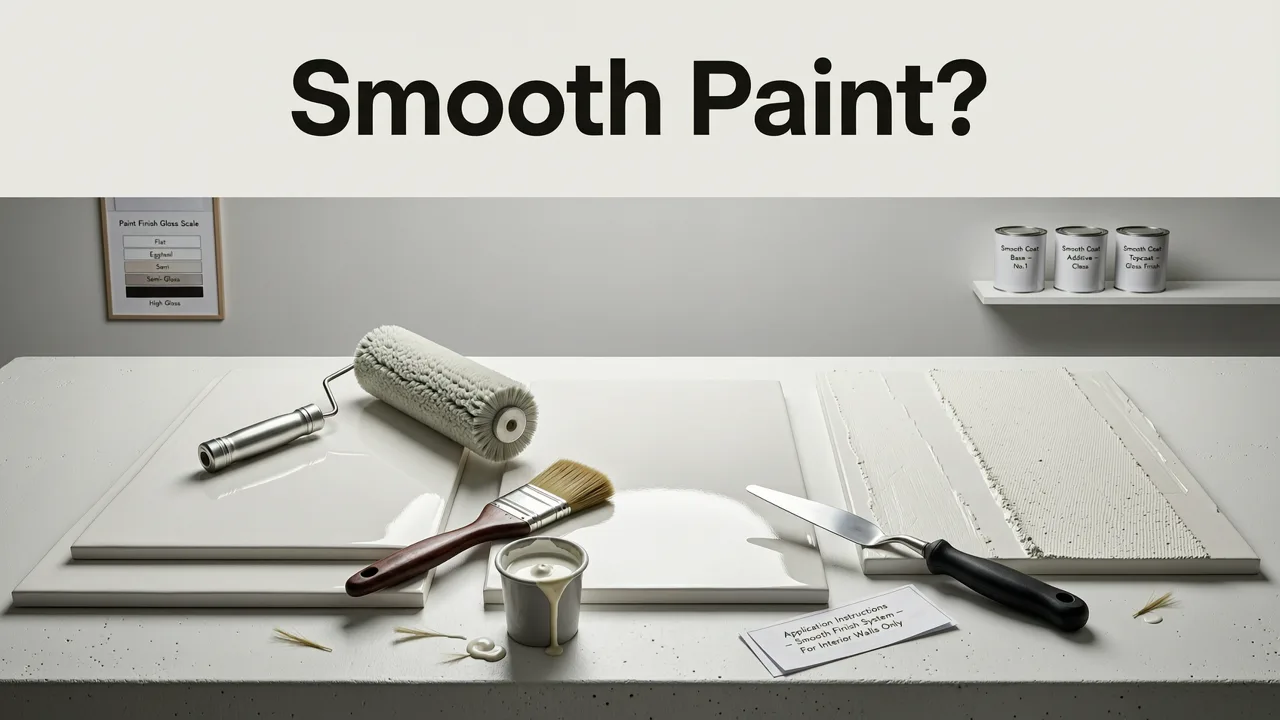
Smooth paint — sometimes called flat, eggshell, satin, semi-gloss, or gloss depending on the sheen level — is applied without texture additives and dries to an even, uniform surface. It is the default finish for the majority of interior walls and ceilings in modern homes.
Smooth paint relies on sheen rather than texture to define its character. A flat or matte smooth paint absorbs light and hides minor flaws, while higher-sheen options like satin and semi-gloss reflect light and are easier to clean.
Common Sheen Levels for Smooth Paint
- Flat / Matte: Zero to minimal light reflection; ideal for low-traffic rooms and ceilings.
- Eggshell: A soft, low-luster finish suitable for living rooms and bedrooms.
- Satin: Slightly more reflective; a popular choice for hallways, kids' rooms, and kitchens.
- Semi-Gloss: Highly durable and washable; used on trim, doors, and cabinetry.
- High-Gloss: Maximum reflectivity; reserved for accents, furniture, and statement trim.
Textured Paint vs Smooth Paint: Head-to-Head Comparison
To make your decision easier, here is a detailed side-by-side breakdown of how textured paint and smooth paint compare across the factors that matter most.
| Factor | Textured Paint | Smooth Paint |
|---|---|---|
| Visual appeal | Adds depth, character, and a tactile dimension | Clean, uniform, and modern |
| Hides wall imperfections | Excellent — conceals cracks, dents, and uneven drywall | Fair to good — depends on sheen level |
| Durability | High — resists scuffs and minor impacts | Varies by sheen; satin and semi-gloss are highly durable |
| Cleanability | Moderate — crevices can trap dust and grime | High — flat surfaces wipe clean easily |
| Application difficulty | Moderate to high — requires technique and the right tools | Low to moderate — straightforward roller or spray application |
| Cost per gallon (2026 avg.) | $45–$85 | $30–$70 |
| Removal difficulty | High — often requires skimming or sanding | Low — simply repaint over |
| Best room types | Basements, garages, accent walls, exteriors | Living rooms, bedrooms, kitchens, bathrooms |
| Trend status in 2026 | Rising in feature walls and exteriors | Remains the dominant choice overall |
Key Factors to Consider When Choosing
1. Room Function and Traffic
High-traffic areas like hallways, mudrooms, and children's bedrooms benefit from smooth paint in a satin or semi-gloss sheen because it wipes clean without effort. Textured paint, on the other hand, can trap dust and fingerprints in its crevices, making it better suited for low-contact areas such as ceilings, accent walls, or utility spaces.
2. Wall Condition
If your walls have visible seams, nail pops, hairline cracks, or uneven drywall compound, textured paint is a practical shortcut to a polished look without the cost of full skim-coating. Smooth paint, especially in flat or eggshell sheens, will telegraph those same imperfections under direct light. Before choosing smooth paint on older walls, budget for proper prep work including sanding, patching, and priming.
3. Lighting
Lighting interacts dramatically with both finishes. Textured walls create shifting shadows throughout the day, adding warmth and dimension to rooms with strong natural light or directional accent lighting. Smooth walls present a consistent appearance regardless of light angle, which is why they remain the preferred choice in rooms with mixed or unpredictable lighting.
4. Moisture and Humidity
Bathrooms and laundry rooms demand moisture-resistant finishes. Smooth semi-gloss or satin paint sheds water and resists mildew more effectively than most textured options, whose grooves can trap moisture. If you prefer a textured look in a bathroom, choose a product specifically formulated for high-humidity environments and ensure adequate ventilation.
5. Long-Term Maintenance and Resale
Smooth paint is easier to touch up, repaint, and modify as trends change. Textured paint can be difficult to match during spot repairs and may deter buyers who prefer a neutral canvas. If you plan to sell your home within the next few years, smooth paint in widely appealing neutral tones tends to perform better on the market. For color inspiration, our guide to 12 Beige Wall Paint Ideas for Living Room in 2026 offers on-trend options that pair beautifully with smooth finishes.
Cost Comparison: Textured Paint vs Smooth Paint in 2026
Budget is often the deciding factor. Here is a realistic cost breakdown for a standard 12-by-12-foot room with 8-foot ceilings (approximately 320 square feet of wall space).
| Cost Category | Textured Paint | Smooth Paint |
|---|---|---|
| Paint material | $180–$340 (4–5 gallons at $45–$85) | $120–$280 (4–5 gallons at $30–$70) |
| Tools and supplies | $60–$120 (specialty rollers, trowels, or hopper) | $30–$60 (standard rollers, trays, tape) |
| Professional labor (if applicable) | $800–$1,600 | $500–$1,000 |
| Wall prep (if needed) | Minimal — texture hides flaws | $100–$400 for patching and skim-coating |
| Total estimated range | $240–$2,060 | $250–$1,740 |
As the table shows, the total costs can overlap significantly. DIY textured paint projects may cost slightly more in materials, while professional applications of textured finishes command a premium due to the specialized labor involved.
How to Visualize Paint Finishes Before You Commit
One of the biggest advantages of renovating in 2026 is the ability to preview finishes digitally before buying a single gallon of paint. AI-powered design tools let you upload a photo of your room and instantly apply different paint textures, colors, and sheens to see exactly how they will look in your actual space.
This is especially valuable when comparing textured paint vs smooth paint, because the visual difference is dramatic and highly dependent on your room's specific lighting, furniture, and proportions. Instead of relying on small swatches or imagination, you can generate photorealistic previews in seconds.
For exterior projects, an upload photo exterior makeover tool lets you test textured stucco-look finishes against smooth siding options on your actual home facade. Pair that with curated palettes like beige exterior paint color combinations for 2026 homes and you can narrow down your choices with remarkable confidence.
Where Textured Paint Excels
- Accent walls: A single textured wall in a living room or bedroom creates a focal point without overwhelming the space.
- Ceilings: Textured ceilings remain popular for their ability to hide imperfections and reduce sound transmission.
- Exteriors: Textured exterior coatings protect against weather while adding architectural interest. If you are also exploring outdoor spaces, our guide to the best AI garden design app for real-time outdoor visualizations in 2026 can help you coordinate wall textures with landscaping.
- Commercial and utility spaces: Garages, basements, and retail environments benefit from the durability and character of textured finishes.
Where Smooth Paint Excels
- Living rooms and bedrooms: Smooth walls in eggshell or matte create a calm, contemporary backdrop for furnishings.
- Kitchens and bathrooms: Smooth satin or semi-gloss paint resists moisture, grease, and stains while wiping clean effortlessly.
- Trim, doors, and cabinetry: Smooth semi-gloss or high-gloss paint delivers a crisp, finished look on millwork.
- Rental properties and flips: Smooth paint appeals to the broadest range of tenants and buyers and is the easiest to maintain between occupants.
Can You Combine Textured and Smooth Paint?
Absolutely. One of the most popular design approaches in 2026 is mixing finishes within the same room. A smooth-walled bedroom with a single textured accent wall behind the headboard creates visual interest without sacrificing the clean, restful feel of the overall space. Similarly, smooth walls paired with a textured ceiling add subtle depth while keeping the vertical surfaces easy to maintain.
The key to combining finishes successfully is intentional contrast. Pair a fine, uniform texture with smooth walls in a complementary color, and avoid mixing multiple heavy textures in the same sightline.
Application Tips for Each Finish
Applying Textured Paint
- Prepare the surface by cleaning and priming. Full skim-coating is not necessary, but remove any loose material.
- Choose the right tool: a thick-nap roller for orange-peel effects, a trowel for skip-trowel patterns, or a hopper gun for popcorn texture.
- Work in small sections, maintaining a wet edge to avoid visible lap marks.
- Practice on a sample board first to perfect your technique before committing to the wall.
- Allow full cure time before touching or decorating near the surface.
Applying Smooth Paint
- Invest time in preparation. Sand, patch, and skim-coat any imperfections. The smoother the wall, the better the final result.
- Apply a high-quality primer suited to your wall material.
- Use a high-density foam roller or a short-nap microfiber roller for the most even finish.
- Apply two thin coats rather than one thick coat to prevent roller marks and drips.
- Maintain a wet edge and work systematically from ceiling to floor, corner to corner.
Environmental and Health Considerations
Both textured and smooth paints are available in low-VOC and zero-VOC formulations as of 2026. If you are sensitive to chemical off-gassing or are painting a nursery, look for certifications from GreenGuard, GREENGUARD Gold, or similar programs. Textured paints with natural mineral additives like sand or clay tend to have fewer synthetic compounds, but always check the manufacturer's safety data sheet.
Final Verdict: Which Should You Choose?
There is no universally superior option between textured paint and smooth paint. The best choice depends on the specific room, the condition of your walls, your lifestyle, and your design vision. As a general framework:
- Choose textured paint if you want to hide imperfections, add tactile character, or create a statement surface in a low-maintenance area.
- Choose smooth paint if you prioritize easy cleaning, broad resale appeal, a modern aesthetic, or are working in moisture-prone rooms.
- Choose both if you want the best of both worlds — smooth walls for everyday living with a textured accent or ceiling for architectural interest.
Whichever direction you choose, take advantage of 2026's AI visualization tools to preview your options in your actual rooms before picking up a brush. A few minutes of digital exploration can save you gallons of paint, hours of labor, and the frustration of a finish you do not love.
Conclusion
The textured paint vs smooth paint debate ultimately comes down to your priorities: character and imperfection-hiding versus clean lines and easy maintenance. Both finishes have earned their place in modern homes, and the gap between them continues to narrow as paint technology advances. Visualize your options first, prep your surfaces properly, and choose the finish that aligns with how you live in your space.
Ready to see how different paint finishes and colors will look in your rooms? Upload a photo of your space to an AI interior design tool and generate photorealistic previews in seconds — no designer appointment or paint sample order required.