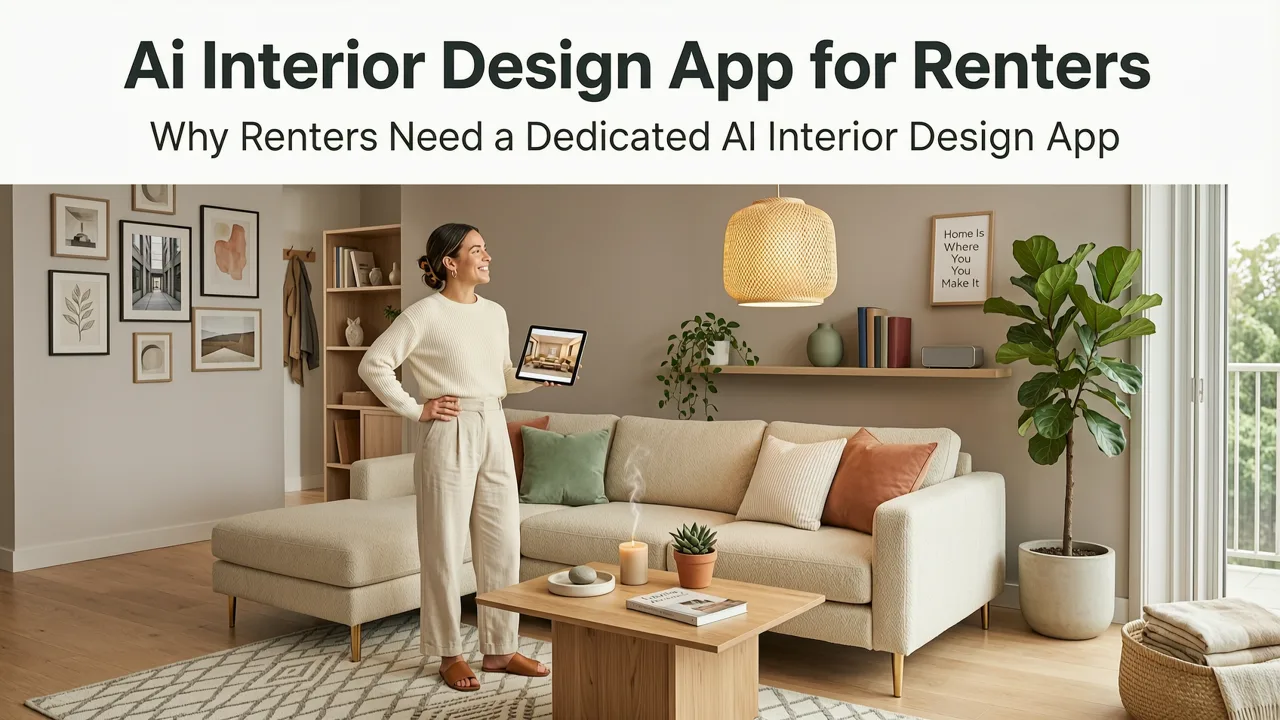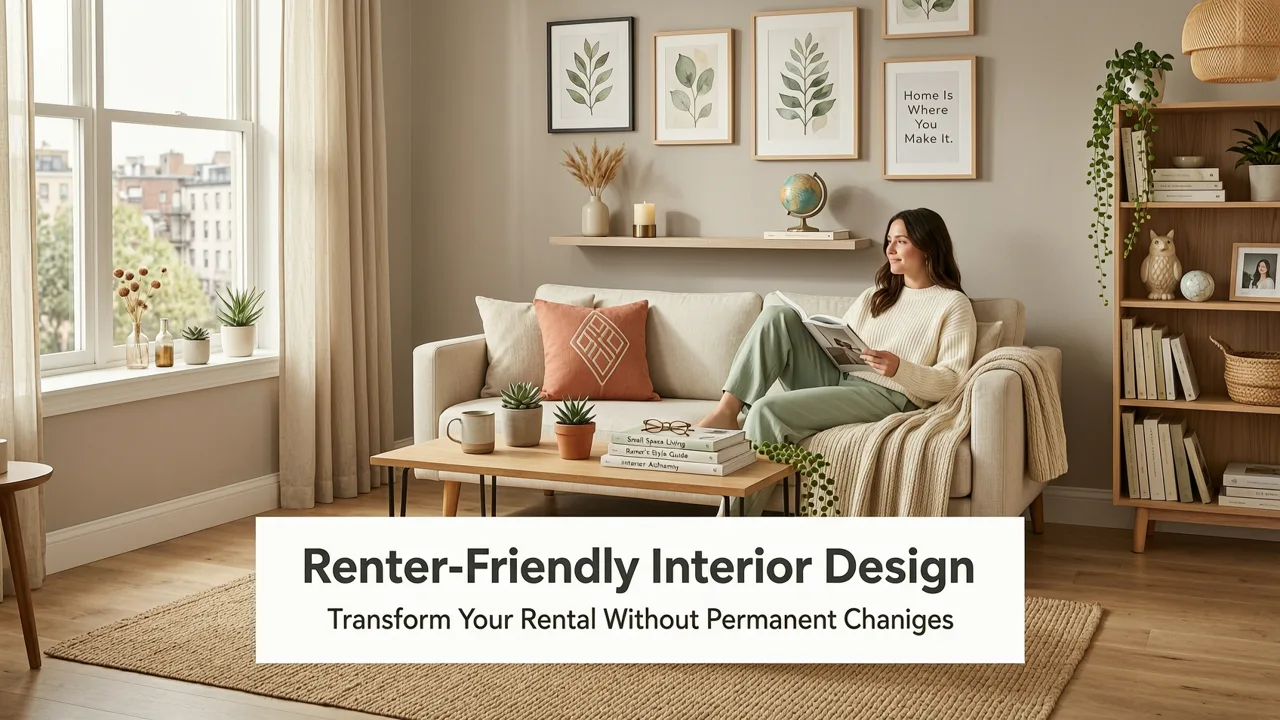
If you have ever stared at a bland apartment wall wishing you could add personality without risking your security deposit, you are not alone. Renter-friendly interior design allows you to transform your living space using non-permanent, lease-approved upgrades that leave no trace when you move out. By combining smart styling choices with modern visualization tools, you can preview your ideal rental makeover in seconds before spending a dime.
The modern rental market in 2026 demands flexibility. Tenants are staying in their leases longer, and the desire to personalize a temporary space has never been higher. Fortunately, the gap between dreaming and executing has narrowed significantly. You no longer need to guess how a bold wallpaper pattern or a new paint color will look in your specific lighting conditions. Advanced AI tools now allow you to visualize these changes instantly, ensuring every design choice is both beautiful and entirely reversible.
Why Renter-Friendly Interior Design Matters in 2026
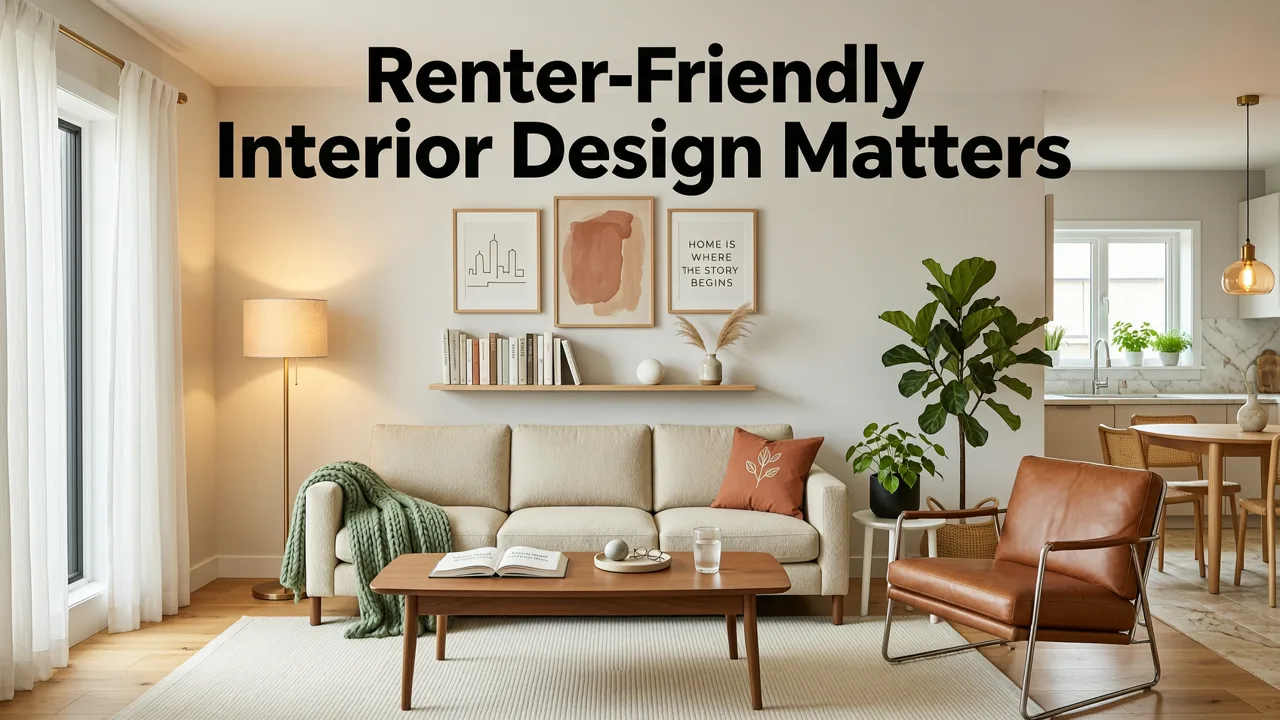
The concept of home has evolved. With housing markets fluctuating and remote work solidifying its place in daily life, many professionals and families are choosing to rent for extended periods rather than commit to a mortgage immediately. This shift has created a massive demand for apartment styling that feels permanent without requiring permanent alterations.
9 RENTER FRIENDLY DECORATING HACKS | DIY REMOVABLE UPGRADES
by Kristen McGowan
Renter-friendly interior design bridges the gap between a sterile rental unit and a personalized sanctuary. It focuses on maximizing the aesthetic and functional potential of a space while strictly adhering to lease agreements. The core philosophy is simple: enhance the environment today, and restore it to its original condition tomorrow.
This approach also alleviates the anxiety of moving. When you know that your design choices are non-permanent, you are free to experiment with colors, textures, and layouts. You can adapt your space to your evolving tastes without the burden of costly renovations or the stress of repairing drywall before your final walkthrough.
Core Principles of Lease-Friendly Apartment Styling
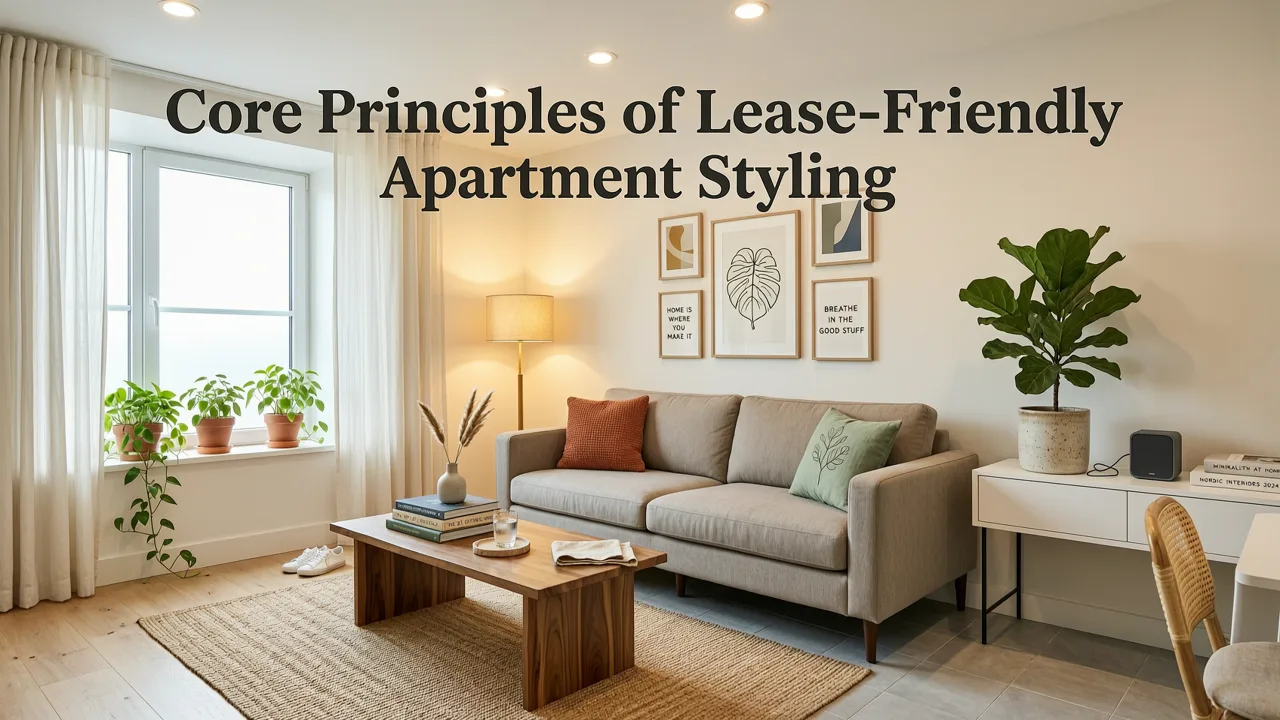
Executing a successful rental makeover requires a strategic mindset. Every item introduced to the space should be evaluated based on its visual impact and its removability. Understanding these core principles will help you make confident design decisions.
Focus on Removable and Non-Permanent Upgrades
The foundation of lease-friendly decor is the use of temporary materials. This includes peel-and-stick wallpapers, removable vinyl floor tiles, and damage-free hanging systems. These products are engineered to provide the look of traditional materials without the adhesive residue or structural damage that violates lease terms.
When selecting hardware, look for tension-based solutions. Tension rods can hold curtains, divide rooms, or even serve as closet extenders without drilling a single hole. Damage-free adhesive strips and hooks have also advanced significantly, offering strong holding power for frames and shelves while removing cleanly when pulled correctly.
Maximize Lighting and Space Without Structural Changes
Rental units often suffer from poor lighting and closed-off layouts. Since you cannot knock down walls or add recessed lighting, you must rely on strategic decor to manipulate the perception of space. Mirrors placed opposite windows can dramatically amplify natural light, making a small apartment feel expansive.
Layering light sources is another crucial technique. Relying solely on overhead rental fixtures often creates harsh shadows. Incorporating floor lamps, plug-in wall sconces, and table lamps creates a warm, inviting ambiance that elevates the entire room without requiring an electrician.
Top Renter-Friendly Interior Design Ideas to Visualize
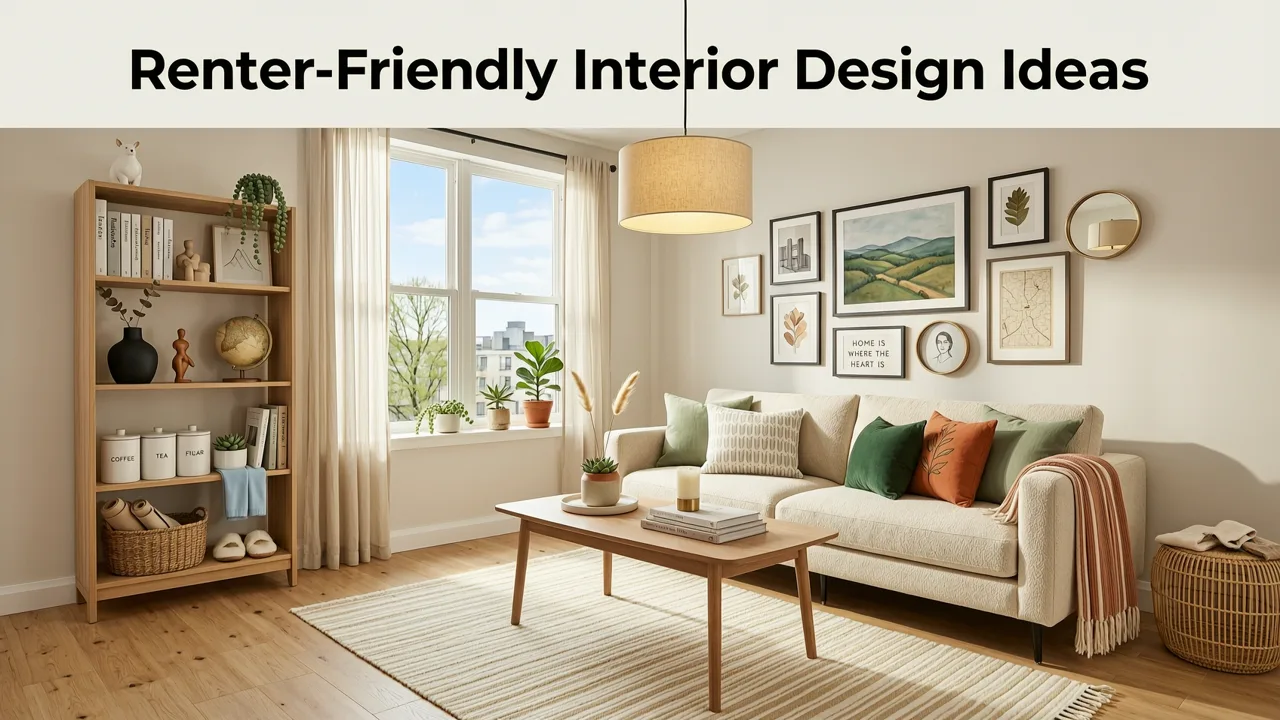
Once you understand the principles, it is time to explore specific design ideas that work beautifully in rental properties. These concepts are highly visual, making them perfect candidates for AI-powered preview tools.
Peel-and-Stick Wallpaper and Murals
An accent wall is one of the most effective ways to inject personality into a rental. While paint is an option, it often requires priming and repainting to neutral tones before moving out. Peel-and-stick wallpaper offers a vibrant alternative. Modern temporary wallpapers come in countless patterns, from subtle textured neutrals to bold botanical prints.
When deciding between painted accents and temporary wall coverings, it helps to weigh the pros and cons of each material. You can explore the differences in application, cost, and visual depth by reading our detailed guide on accent wall paint vs wallpaper to determine which option best suits your specific rental walls.
Strategic Furniture Placement and Area Rugs
Many rentals feature open-concept layouts or awkwardly shaped rooms that lack defined zones. Area rugs are an excellent, non-permanent way to anchor furniture and create distinct areas for living, dining, and working. A large rug under a sofa defines the living area, while a runner in a narrow hallway adds warmth and direction.
Floating shelves are another popular addition, but they require drilling. Instead, opt for freestanding bookcases or leaning ladder shelves. These pieces provide ample storage and display space while adding architectural interest, and they can be easily moved to your next apartment.
Lighting Upgrades and Temporary Window Treatments
Upgrading lighting fixtures is usually off-limits for renters, but you can completely transform a room's mood by changing the lamp shades and bulbs. Swapping out basic builder-grade shades for textured, colored, or uniquely shaped alternatives instantly elevates the decor.
For windows, avoid drilling curtain rods. Instead, use tension rods inside the window frame for a clean, minimalist look, or mount a curtain rod slightly above the window frame using heavy-duty damage-free brackets. Hanging the curtains close to the ceiling draws the eye upward, making the ceilings appear much higher.
How to Visualize Renter-Friendly Interior Design Before Buying
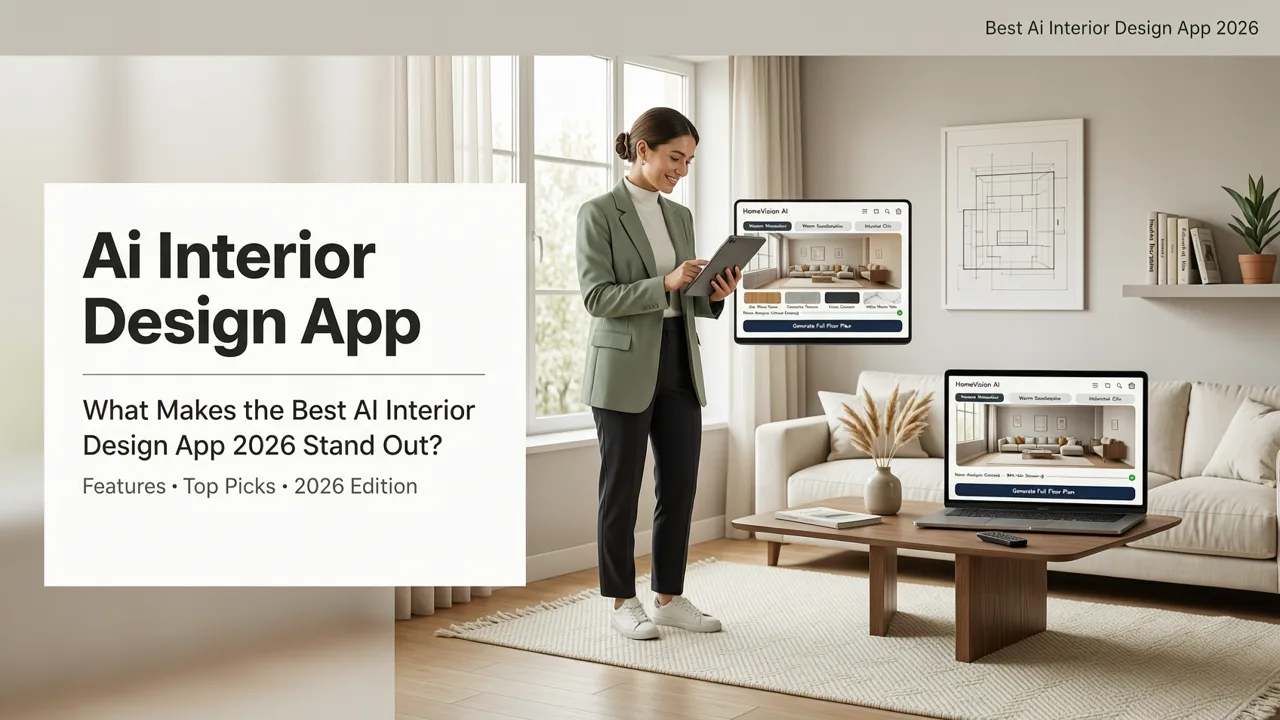
The biggest risk in interior design is purchasing items that look great in a showroom but clash with your actual space. This is where AI visualization becomes an indispensable tool for renters. By uploading a simple photo of your room, you can generate photorealistic previews of various design concepts in seconds.
Modern AI models are trained to understand spatial relationships, lighting, and perspective. According to OpenAI documentation, advanced diffusion models can interpret room dimensions and apply textures accurately, ensuring that the generated previews reflect how materials will actually look on your specific walls and floors.
Using an AI visualizer allows you to test multiple renter-friendly interior design concepts without committing to a single style. You can experiment with different wallpaper patterns, furniture layouts, and color palettes. If you are considering a fresh coat of paint on your trim or an accent wall, the white wall paint AI visualization tool helps you see exactly how different shades interact with your room's natural light.
For those focusing on a single feature wall, the free accent wall paint visualizer lets you upload your photo and instantly test various colors and finishes, ensuring your temporary upgrade perfectly matches your existing furniture.
| Design Planning Method | Time Required | Cost to Test | Risk of Mismatch |
|---|---|---|---|
| Traditional Mood Boards | Hours to Days | Low (Digital only) | High (Hard to gauge scale and light) |
| Buying Physical Samples | Days to Weeks | Moderate (Shipping and materials) | Medium (Samples look different on large walls) |
| AI-Powered Visualization | Seconds | Minimal to Free | Very Low (Photorealistic spatial context) |
Common Mistakes to Avoid in Rental Makeovers
Even with the best intentions, renters can make errors that jeopardize their security deposit or result in a cluttered space. Avoiding these common pitfalls will ensure your makeover is both beautiful and compliant.
First, never use standard double-sided tape or strong construction adhesives on rental walls. These products will tear the drywall paper upon removal, leading to expensive repair deductions. Always use products specifically labeled as damage-free or renter-friendly.
Second, avoid overcrowding the space with too many small decor items. A common misconception is that more furniture makes a room feel cozy. In reality, it makes small rental apartments feel cramped. Focus on a few statement pieces and utilize vertical space to keep the floor area open and breathable.
Finally, do not ignore the scale of your decor. An oversized rug can make a room feel intentional and grand, while a rug that is too small will make the space feel disjointed. Use AI visualization tools to check the scale of furniture and decor in your actual room dimensions before making a purchase.
Conclusion
Renter-friendly interior design empowers you to create a beautiful, personalized home without the fear of losing your security deposit. By focusing on removable materials, strategic lighting, and smart furniture placement, you can transform any rental unit into a space you truly love. The key to success is planning ahead and visualizing your choices before making a commitment. Ready to see your ideas come to life? Upload a photo of your rental space to our AI design platform and instantly visualize your perfect, lease-friendly makeover today.