Best Wall Paint Colors for Small Living Room: The 2026 Guide
If you've ever stared at a cramped living room wondering which paint color will make it feel larger, you're not alone. The best wall paint colors for small living rooms in 2026 balance light reflection, spatial perception, and personal style — and testing them no longer requires buying sample pots or hiring a designer. A quick AI-powered visualization can show you exactly how a shade will look on your actual walls, in your actual light, before you lift a brush.
This guide walks you through the top paint color families that designers recommend for compact spaces this year, explains why certain hues expand a room visually, and shows you how to preview every option on your own walls using modern AI tools.
Why Paint Color Matters More in a Small Living Room

In a small living room, paint does heavy lifting. It sets the perceived volume of the space, influences how natural light behaves, and determines whether the room feels like a cozy retreat or a claustrophobic box. Unlike furniture or décor, wall color covers the largest continuous surface area, so even a subtle shift in undertone can dramatically change how the room reads.
Best Living Room Paint Colors (and How to Choose Them)
by Home like you mean it
Three factors make color selection especially critical in compact spaces:
- Light Reflectance Value (LRV): Higher LRV paints bounce more light around the room, making it feel airier.
- Undertone temperature: Cool undertones (blue, green, violet) recede visually, while warm undertones (red, orange, yellow) advance toward the eye.
- Continuity with adjoining rooms: A consistent palette across connected spaces removes visual barriers and extends perceived square footage.
Top Wall Paint Colors for Small Living Rooms in 2026
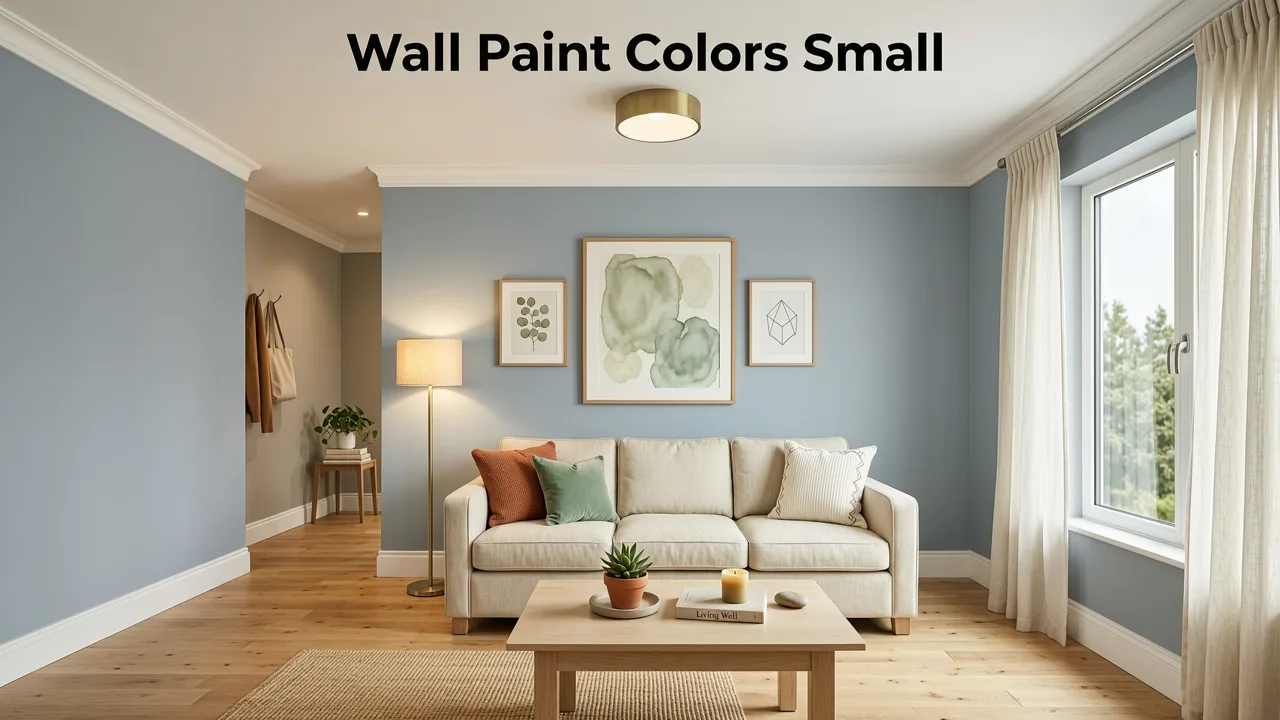
Designers and color trend forecasts for 2026 converge on a few key principles for small spaces: lean into soft neutrals with character, use muted nature-inspired tones, and avoid anything that flattens the room. Below are the color families performing best this year.
1. Warm Off-Whites with Subtle Depth
Pure white can feel sterile in a small room with limited natural light. Warm off-whites — think creamy, just barely tinted shades — add softness without shrinking the space. Look for colors with a yellow or red undertone that stays below the threshold of looking yellow on the wall. These shades work beautifully with wood furniture, linen textiles, and brass accents that dominate 2026 interiors.
2. Greige (Grey-Beige Hybrids)
Greige remains a staple because it bridges warm and cool palettes. In a small living room, a mid-tone greige adds enough depth to feel intentional while still reflecting light effectively. It also pairs effortlessly with both cool-toned flooring (concrete, light tile) and warm-toned elements (oak, rattan).
3. Soft Sage and Muted Green
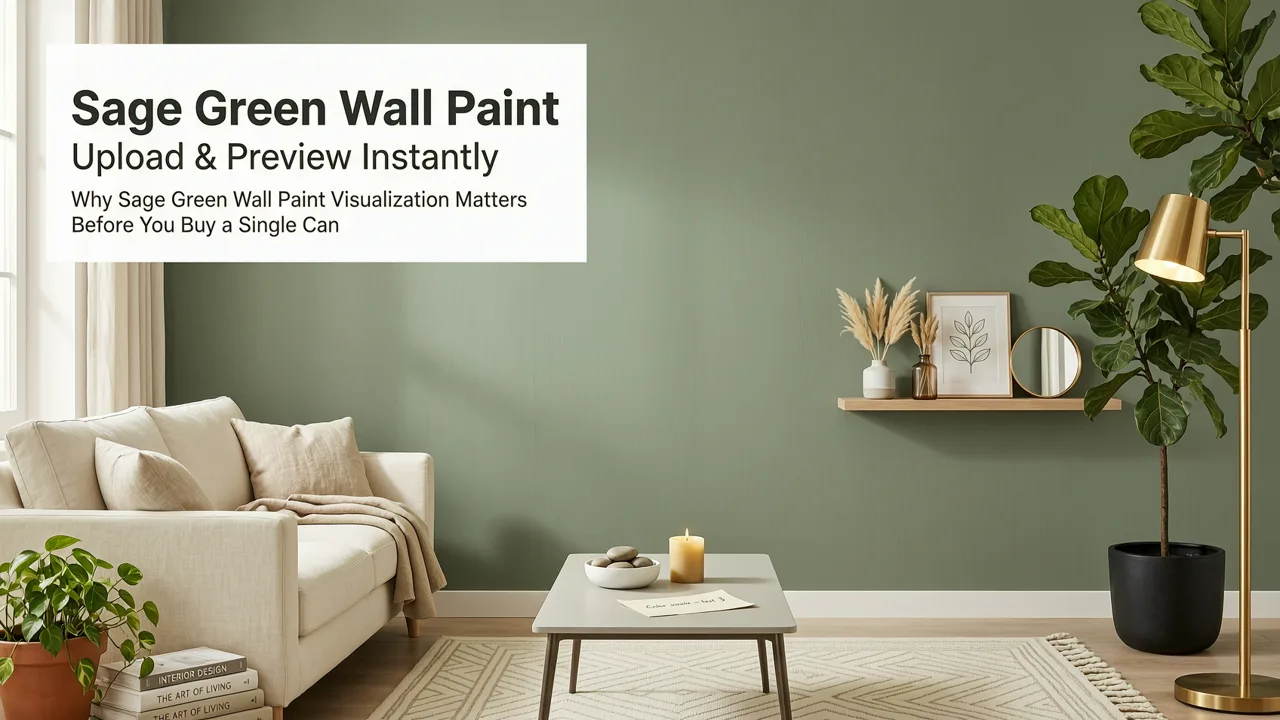
Biophilic design continues to gain momentum in 2026, and sage green walls bring the outdoors in without overwhelming a compact footprint. Muted greens sit comfortably in the cool-rec family, meaning they visually push walls outward. They also complement the terracotta, cream, and natural wood accents trending this year.
4. Pale Blue-Grey
For rooms that receive strong southern or western light, a pale blue-grey keeps the space feeling fresh and prevents overheating. This color family works especially well in small living rooms that double as workspaces or reading nooks, where a calm, focused atmosphere matters.
5. Dusty Blush and Clay Tones
Soft blush and muted clay have moved past trend status into modern-neutral territory. In a small living room, these warm pinks create an enveloping, comfortable feel without the heaviness of deeper terracotta. They pair beautifully with bouclé fabrics, travertine surfaces, and matte black hardware — all key elements in 2026 living room design.
6. Deep Moody Accents (Used Strategically)
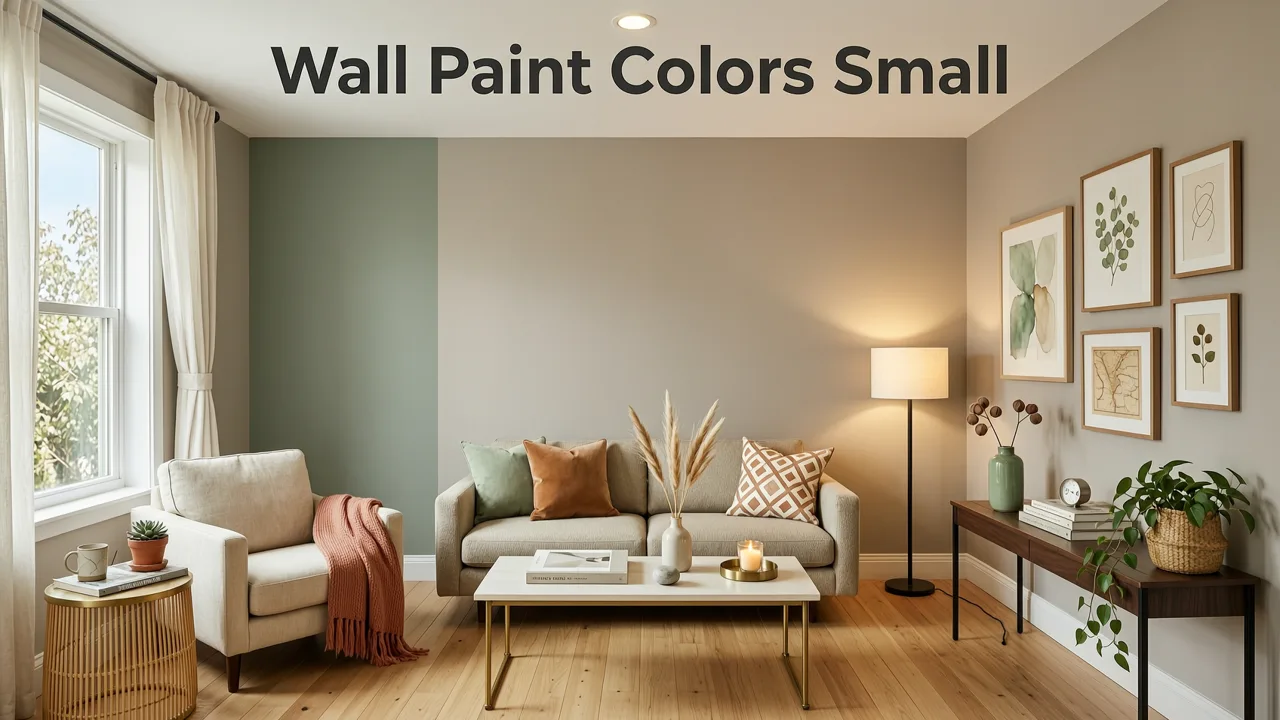
Contrary to the old rule that small rooms must be painted light, many designers in 2026 embrace a single deep accent wall — navy, forest green, or charcoal — to add dimension. The trick is limiting the dark color to one wall (often behind the sofa or media unit) and keeping the remaining walls in a light complementary shade. The contrast creates a sense of depth that actually makes the room feel larger.
How to Choose the Right Paint Color for Your Specific Room
The best wall paint colors for small living room projects depend on variables unique to your space. Here's a practical framework for narrowing down your options.
Step 1: Assess Your Natural Light
North-facing rooms receive cooler, bluer light and benefit from warmer paint tones. South-facing rooms get warm, golden light and can handle cooler shades. East- and west-facing rooms shift throughout the day, so choose a versatile neutral that flatters in multiple lighting conditions.
Step 2: Consider Fixed Elements
Your flooring, cabinetry, and countertops won't change. Pull the dominant undertone from those fixed elements and select a wall color that harmonizes rather than clashes. If your floor has warm oak tones, a cool grey wall will create tension; a warm greige will feel cohesive.
Step 3: Test at Scale — Digitally
Physical paint swatches are useful, but they only show a few square inches. In 2026, the smarter approach is to upload a photo of your living room to an AI visualization tool that maps paint colors onto your actual walls at full scale, preserving shadows, furniture, and architectural details. This eliminates the guesswork and costly repaints.
Comparing Top Paint Color Families for Small Living Rooms
Use the table below to quickly compare how each color family performs across key factors relevant to compact spaces.
| Color Family | LRV Range | Undertone | Best Light Direction | 2026 Trend Strength |
|---|---|---|---|---|
| Warm Off-White | 75–85 | Yellow / Red | North-facing | High |
| Greige | 60–72 | Neutral Warm-Cool | Any | High |
| Soft Sage | 55–65 | Green | South / West | Rising |
| Pale Blue-Grey | 62–70 | Blue | South / West | Moderate |
| Dusty Blush | 58–68 | Pink / Red | North / East | Rising |
| Deep Accent (Navy, Forest) | 10–20 | Varies | Any (single wall) | Moderate |
Common Mistakes to Avoid When Painting a Small Living Room
Even with the right color family in mind, a few missteps can undermine the effect you're after. Watch out for these:
- Choosing color under store lighting alone. Fluorescent and LED showroom lights distort undertones. Always preview your shortlisted shades in your room's actual light.
- Ignoring the ceiling. A ceiling painted the same color as the walls (or slightly lighter) removes a hard visual boundary and makes the room feel taller.
- Overloading with contrast. Too many competing accent colors in a small room creates visual clutter. Stick to two or three tones maximum.
- Forgetting sheen. Matte and eggshell finishes hide imperfections and reduce glare in small rooms. High-gloss paints amplify every wall flaw and can feel overwhelming at close range.
- Skipping the digital preview. Painting is the cheapest renovation step but the most visible. Not testing your color digitally first is a risk you no longer need to take.
How to Visualize Paint Colors Before You Buy
The fastest way to eliminate paint regret is to see the color on your own walls before committing. AI-powered visualization tools let you upload a photo of your living room and apply different paint colors instantly, preserving the room's proportions, furniture placement, and lighting conditions.
This approach is especially valuable when you're weighing subtle differences — for example, deciding between two warm off-whites that look identical on a swatch card but behave very differently on a full north-facing wall. If you're also considering broader changes beyond paint, such as new furniture or flooring, tools that support full room redesigns can help you evaluate the complete picture at once. You can explore how to redesign house exterior online using similar AI workflows, and the same principles apply to interior rooms.
For homeowners tackling multiple rooms, the ability to maintain a consistent palette across spaces becomes critical. Seeing your living room, dining area, and hallway side by side in the same visualization ensures your color story flows naturally throughout the home.
Pairing Paint Colors with 2026 Interior Design Trends
Wall color doesn't exist in isolation. The most successful small living rooms in 2026 integrate paint with broader design movements:
- Warm minimalism: Clean lines, natural materials, and a restrained palette. Greige and warm off-whites anchor this look.
- Organic modern: Curved furniture, textured plaster walls, and earthy tones. Soft sage and dusty blush complement organic shapes beautifully.
- Japandi influence: A blend of Japanese restraint and Scandinavian warmth. Pale blue-greys and muted neutrals align with this aesthetic.
- Maximalist accents: Bold art, patterned textiles, and collected objects. A deep moody accent wall provides the backdrop that lets these pieces shine without the room feeling chaotic.
If you're exploring a larger renovation beyond paint, visualizing your entire living room — including furniture, lighting, and finishes — before purchasing anything saves time and money. For exterior projects, you can learn how to visualize house exterior remodel ideas with the same AI-driven approach, ensuring your interior and exterior palettes work together cohesively.
Expert Tips for Maximizing a Small Living Room Beyond Paint
Paint color sets the foundation, but a few complementary strategies amplify the sense of space:
- Use mirrors strategically. A large mirror opposite a window doubles the natural light and visually extends the room.
- Choose low-profile furniture. Sofas and chairs with exposed legs and lower backs keep sightlines open.
- Layer lighting. Combine ambient, task, and accent lighting to eliminate dark corners that make a room feel smaller.
- Keep window treatments minimal. Heavy drapes absorb light. Sheer or Roman shades maintain brightness while adding texture.
- Maintain clear floor space. Even a few square feet of visible flooring around the room's perimeter signals openness to the eye.
When to Bring in Professional Design Support
AI tools handle the visualization heavy lifting, but complex spaces — rooms with unusual architecture, multiple sightlines, or significant structural changes — may benefit from professional input. Interestingly, the rise of AI has also expanded career opportunities in this space. If you're curious about the field itself, the landscape of AI interior design jobs in 2026 includes roles that blend spatial intelligence with generative AI fluency, offering new pathways for both designers and homeowners who want expert-guided results.
Frequently Asked Questions
What paint color makes a small living room look biggest?
Warm off-whites and light greiges with an LRV above 70 make small living rooms feel the largest because they reflect the most light while avoiding the sterile feel of pure white. Soft sage green is also highly effective because cool greens visually recede, pushing walls outward.
Can I use dark paint in a small living room?
Yes, but limit dark paint to a single accent wall — typically behind the sofa or media unit. Pair it with light complementary colors on the remaining walls to create depth without shrinking the space.
How do I test paint colors without buying sample pots?
Upload a photo of your living room to an AI interior design tool that applies paint colors digitally to your actual walls. This shows you the color at full scale, in your real lighting, with your existing furniture in place.
Should the ceiling be the same color as the walls?
In a small living room, painting the ceiling the same color as the walls — or a slightly lighter version of it — removes the hard horizontal line where wall meets ceiling, making the room feel taller and more open.
What finish is best for small living room walls?
Matte or eggshell finishes work best. They hide wall imperfections, reduce glare from nearby light sources, and create a soft, uniform appearance that helps a small room feel calm and cohesive.
Final Thoughts
Choosing the best wall paint colors for small living room projects comes down to understanding how light, undertone, and spatial perception interact — then testing your shortlist in context before committing. In 2026, you don't need to rely on tiny swatches or imagination. AI visualization tools let you see any color on your actual walls in seconds, removing the risk and cost of paint mistakes. Whether you're leaning toward a warm off-white, a soft sage, or a bold accent wall, the right approach is to preview first, decide second, and paint with confidence.