12 Textured Wall Paint Ideas 2026 for Modern Interiors
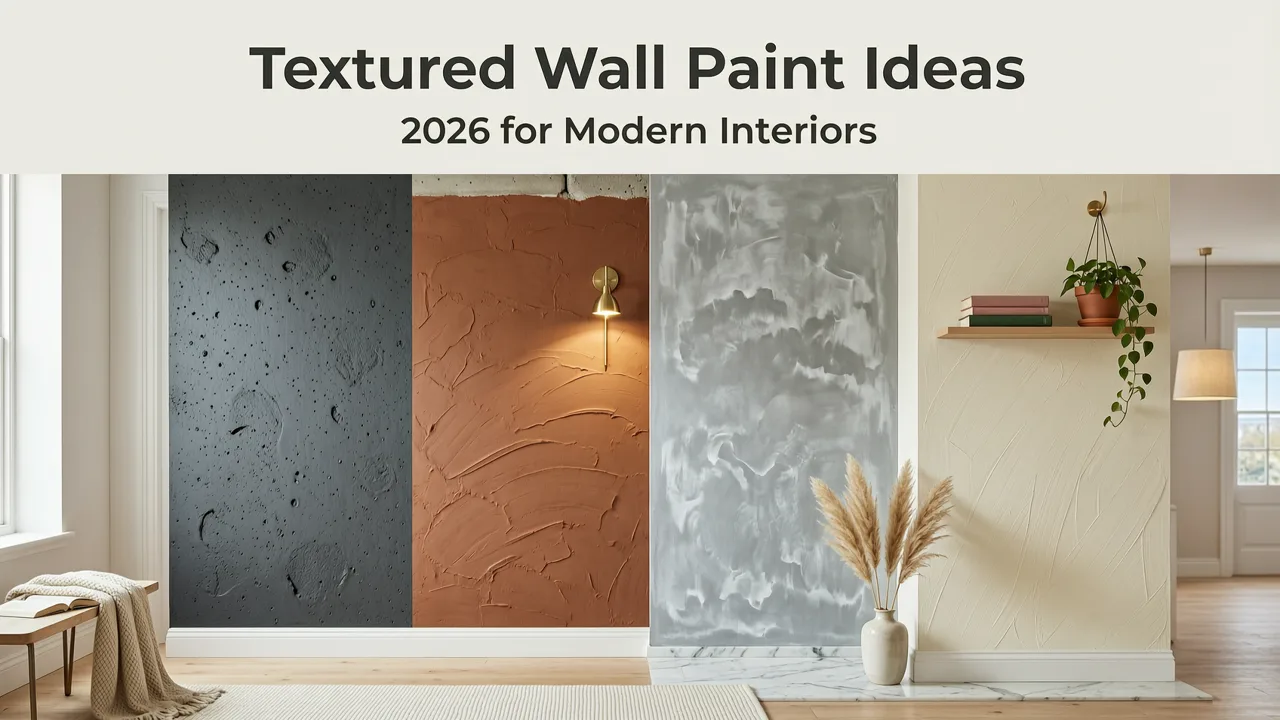
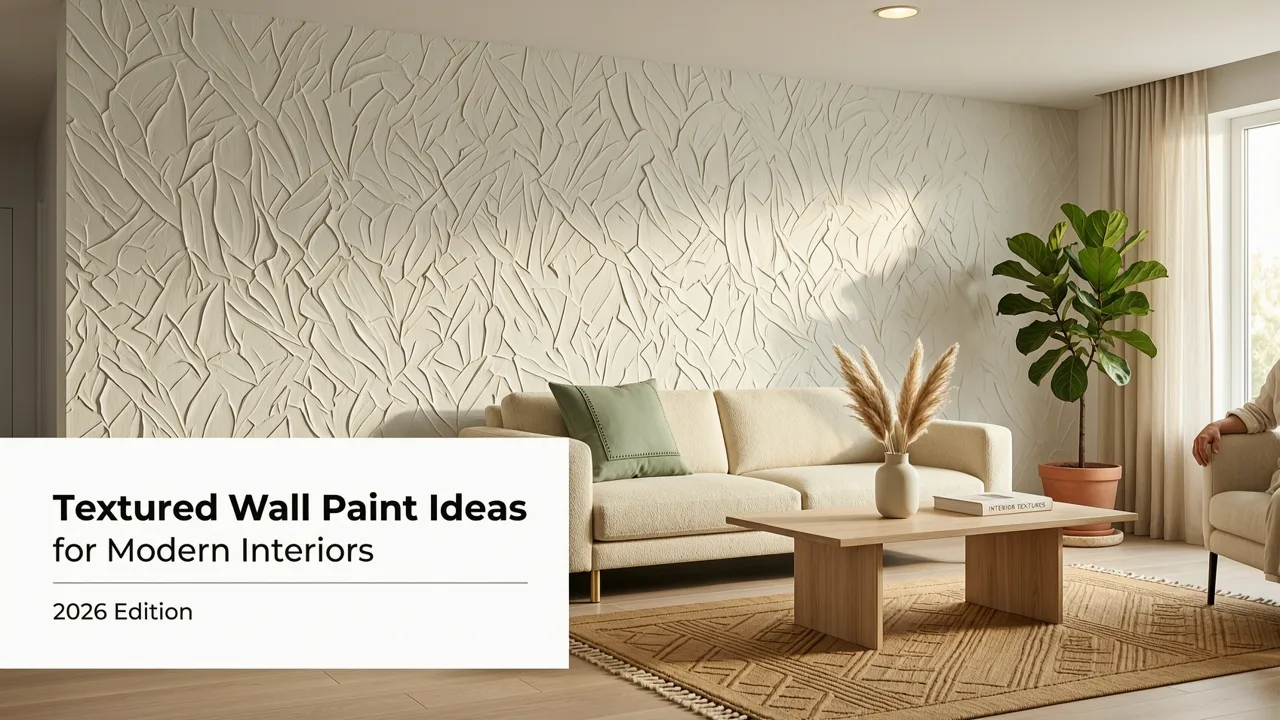
If you've been searching for textured wall paint ideas 2026, you already know that flat, matte walls are losing ground to surfaces with depth, tactility, and visual warmth. The short answer: this year's top textured paint trends lean into limewash finishes, micro-cement effects, sand-infused plasters, and AI-driven color layering that lets you preview every option on your actual walls before lifting a brush.
Textured wall paint has evolved well beyond the popcorn ceilings and orange-peel knockdowns of past decades. In 2026, homeowners, renters, and interior designers are using textured finishes to add character to accent walls, create focal points in open-plan living areas, and bring organic warmth to minimalist interiors. Below, you'll find twelve ideas that are trending right now, along with practical guidance on application, room pairing, and how to visualize each look using AI interior design tools.
Why Textured Walls Are Dominating Interior Design in 2026

Several forces are converging to make textured wall finishes the defining paint trend of the year. First, the post-pandemic shift toward biophilic and tactile interiors has only deepened — people want walls that feel alive, not sterile. Second, social media platforms continue to amplify rooms with visible craftsmanship, from Venetian plaster bedrooms to limewashed Mediterranean kitchens. Third, advances in paint technology have made textured finishes more durable, easier to apply, and far more affordable than traditional plaster work.
Top 100 Modern Wall Texture Design 2026 | Texture Painting On Walls | Wall Painting Design Ideas
by Decor Art
Designers are also embracing texture as a way to add dimensionality without clutter. A single textured accent wall can anchor a room the way a piece of art might, but with a subtler, more architectural effect. And with AI visualization tools now capable of rendering photorealistic previews of textured surfaces on your actual room photos, the guesswork has largely been removed from the selection process.
The 12 Best Textured Wall Paint Ideas for 2026
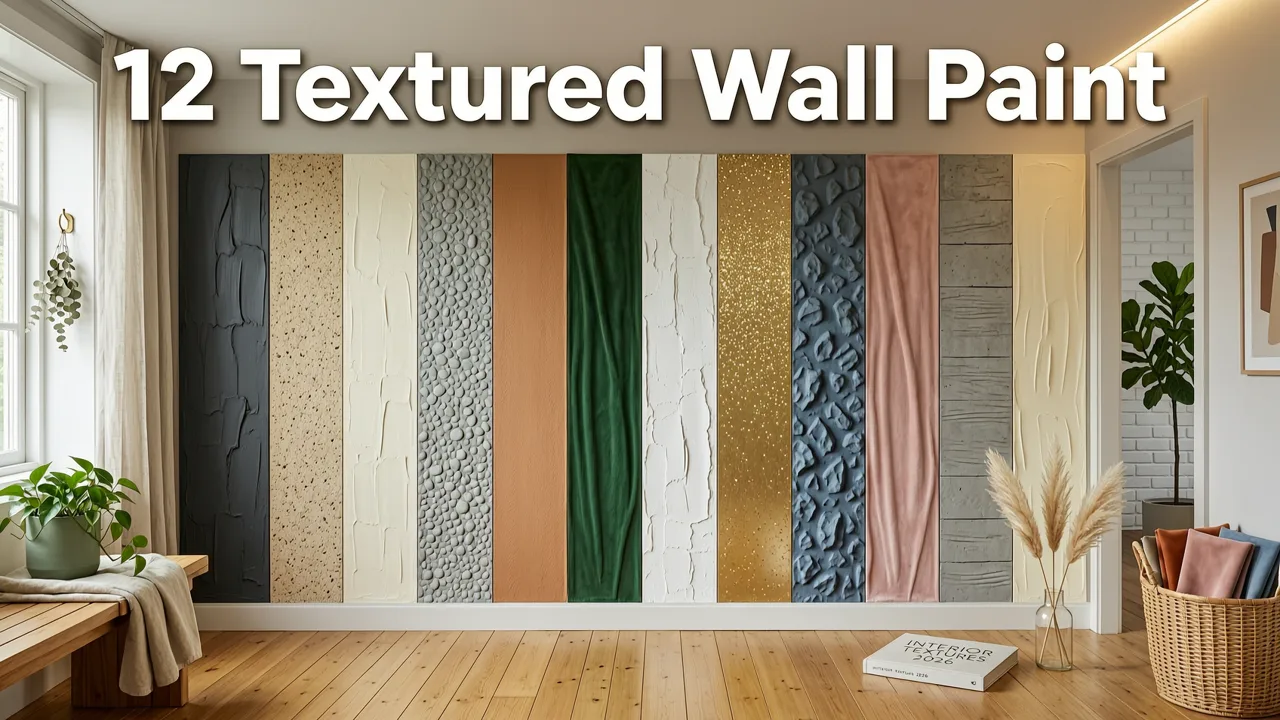
1. Limewash Finish Walls
Limewash remains the number one textured wall paint trend in 2026. Made from slaked limestone and natural pigments, limewash creates a soft, cloud-like surface with subtle tonal variation that shifts with natural light. It's breathable, mold-resistant, and works beautifully in living rooms, bedrooms, and entryways. Popular 2026 limewash shades include warm terracotta, dusty sage, and muted ochre.
2. Sand-Infused Matte Paint
Sand-textured paint incorporates fine mineral particles into a matte base, producing a surface that catches light at different angles without being overtly glossy. This finish is ideal for feature walls in dining rooms and home offices. It pairs well with both warm and cool color palettes and hides minor wall imperfections effectively.
3. Micro-Cement Wall Coatings
Micro-cement delivers an industrial-chic aesthetic with a smooth yet subtly uneven surface. Originally popular in commercial spaces, it has migrated into residential interiors throughout 2026, particularly in bathrooms, kitchens, and modern loft-style living areas. The finish is water-resistant, highly durable, and available in a wide spectrum of neutral tones.
4. Venetian Plaster Accent Walls
Venetian plaster is a classic technique that has seen a major resurgence. Applied in thin, overlapping layers with a steel trowel, it produces a polished, marble-like surface with remarkable depth. In 2026, designers are favoring softer, more muted colorways — think pearl grey, blush, and pale celadon — over the high-gloss jewel tones of earlier iterations.
5. Roman Clay and Portola-Style Finishes
Roman clay is a water-based, clay-mineral paint that produces a velvety, suede-like texture. It's become one of the most requested finishes among interior designers in 2026 because of its organic appearance and ease of application. Unlike traditional plaster, Roman clay can be applied with a standard brush or roller, making it accessible for DIY homeowners.
6. Tadelakt-Inspired Waterproof Textures
Tadelakt, a traditional Moroccan lime plaster, has inspired a new generation of waterproof textured wall coatings suitable for wet rooms, showers, and spa-style bathrooms. The 2026 formulations are easier to apply than traditional tadelakt while maintaining that signature smooth, polished look with gentle undulations.
7. Faux Bois and Woodgrain Textured Paint
For homeowners who love the warmth of wood but want the practicality of paint, faux bois textured finishes offer a compelling alternative. These paints use specialized tools or additives to replicate the look of woodgrain on drywall, plaster, or even furniture surfaces. Trending applications include bedroom headboard walls and built-in shelving surrounds.
8. Stucco-Look Interior Finishes
Interior stucco finishes have shed their exterior-only reputation. In 2026, a refined, fine-aggregate stucco texture is being used to add Mediterranean and Southwestern character to living rooms, hallways, and powder rooms. The key is keeping the aggregate fine and the color palette restrained — think cream, sandstone, and soft white.
9. Metallic and Pearl Textured Paints
Metallic-textured wall paints incorporate mica or fine metallic particles that create a subtle shimmer without overwhelming a space. In 2026, the trend is toward understated pearl and bronze-toned finishes rather than high-shine chrome effects. These work especially well in bedrooms and formal dining rooms where ambient lighting can enhance the surface.
10. Concrete-Wash Effect Paints
Concrete-wash finishes deliver the raw, industrial appeal of exposed concrete without the structural commitment. These water-based coatings can be applied directly over primed drywall and produce a mottled, tonal surface that works beautifully in modern, Scandinavian, and Japandi interiors. Dark charcoal and warm grey are the leading shades for 2026.
11. Raised Pattern and Stencil-Overlay Textures
For a more structured approach to texture, raised-pattern paints and stencil overlays allow you to create repeating geometric or organic motifs directly on the wall. These products use a thicker, paste-like consistency that holds its shape as it dries. Damask, moroccan trellis, and abstract wave patterns are trending in 2026.
12. Color-Washed Layered Textures
Color-washing involves applying multiple translucent layers of tinted glaze over a textured base to create depth and visual complexity. This technique is experiencing a revival in 2026 as homeowners seek walls with a handcrafted, artisanal quality. The effect is particularly striking in sunrooms, reading nooks, and primary bedroom accent walls.
How to Choose the Right Textured Finish for Your Room
Not every textured finish suits every room. The right choice depends on the room's function, lighting conditions, moisture levels, and your overall design vision. Here's a practical framework for narrowing down your options.
| Room Type | Best Textured Finish | Why It Works |
|---|---|---|
| Living Room | Limewash, Roman Clay | Soft texture adds warmth without visual noise |
| Bedroom | Venetian Plaster, Color-Wash | Creates a serene, layered backdrop |
| Kitchen | Micro-Cement, Concrete-Wash | Durable, wipeable, and grease-resistant |
| Bathroom | Tadelakt-Style, Micro-Cement | Waterproof and mold-resistant |
| Dining Room | Sand-Infused Matte, Metallic Pearl | Catches candlelight and ambient glow |
| Home Office | Concrete-Wash, Roman Clay | Professional yet tactile and calming |
| Hallway / Entryway | Stucco-Look, Limewash | Hides scuffs and adds architectural interest |
How to Visualize Textured Wall Paint Ideas with AI in 2026
One of the biggest challenges with textured paint has always been the gap between a flat swatch and the real-world result. In 2026, AI-powered visualization tools have largely solved this problem. By uploading a photo of your room, you can now see how a limewash finish, a micro-cement coating, or a Venetian plaster accent wall will actually look on your specific walls — complete with realistic lighting, shadows, and surface variation.
AI interior design platforms use advanced image generation models trained on thousands of real textured surfaces to produce photorealistic previews. These tools understand how light interacts with different textures, how color shifts across a textured surface, and how a finish will complement your existing furniture and flooring. You can explore our guide on how to choose accent wall color with AI for a step-by-step walkthrough of using a free visualizer for this exact purpose.
The workflow is straightforward: take a well-lit photo of your room, upload it, select your desired textured finish and colorway, and receive a photorealistic rendering in seconds. This eliminates the cost and commitment of buying sample pots, applying test patches, and waiting for them to dry — only to discover the texture looks completely different under your room's lighting conditions.
Application Tips for Textured Wall Paint
Regardless of which textured finish you choose, proper preparation and application technique will determine the quality of your final result. Here are the essential steps.
- Prepare the surface. Clean walls thoroughly, fill any large holes or cracks, and apply an appropriate primer. For limewash and clay-based finishes, use a mineral-compatible primer. For micro-cement and concrete-wash products, follow the manufacturer's primer specifications.
- Work in manageable sections. Textured finishes require a consistent rhythm. Work in areas no larger than three to four square feet at a time to maintain even texture and avoid visible lap marks.
- Use the right tools. Limewash is best applied with a large masonry brush. Roman clay works well with a wide putty knife or specialty trowel. Sand-textured paints can be applied with a thick-nap roller. Always follow the product-specific tool recommendations.
- Layer for depth. Most high-quality textured finishes benefit from two or more thin layers rather than one thick coat. This builds depth and allows the natural variation that makes textured walls visually interesting.
- Seal when necessary. Limewash and clay finishes may benefit from a breathable sealant in high-traffic areas. Micro-cement and tadelakt-style finishes typically include an integrated sealer. Always check the product data sheet.
Textured Paint for Exteriors and Outdoor Spaces
Textured wall paint isn't limited to interiors. In 2026, exterior textured coatings are gaining popularity for accent walls, garden structures, and outdoor living areas. These products are formulated to withstand UV exposure, moisture, and temperature fluctuations while maintaining their visual appeal.
If you're considering an exterior textured finish, our overview of DrHomey exterior design features covers how AI visualization can help you preview exterior textures on your actual home facade. Similarly, if your project extends to outdoor entertaining areas, the best AI garden design app can help you visualize how textured walls will integrate with your landscape and hardscape elements.
Cost Comparison: Textured Paint vs. Traditional Wallcoverings
One reason textured paint has surged in popularity is its favorable cost-to-impact ratio compared to wallpaper, wall panels, and artisan plaster work.
| Finish Type | Average Cost per Sq Ft (2026) | DIY-Friendly | Typical Longevity |
|---|---|---|---|
| Limewash Paint | $3 – $7 | Yes | 10 – 15 years |
| Roman Clay | $4 – $9 | Yes | 8 – 12 years |
| Micro-Cement Coating | $8 – $15 | Moderate | 15 – 20 years |
| Venetian Plaster | $10 – $20 | No (professional recommended) | 20+ years |
| Sand-Infused Paint | $2 – $5 | Yes | 7 – 10 years |
| Premium Textured Wallpaper | $5 – $12 | Moderate | 10 – 15 years |
As the table illustrates, most textured paint options fall well below the cost of professional plaster work and are competitive with — or cheaper than — premium wallpaper, while offering greater durability and easier maintenance.
Sustainability and Health Considerations
Many of the textured finishes trending in 2026 are inherently more sustainable than conventional paint. Limewash, Roman clay, and tadelakt-style products are mineral-based, low-VOC, and often derived from naturally occurring materials. They're breathable, which helps regulate indoor humidity and reduces the risk of mold growth — a meaningful advantage in humid climates and older homes with solid-wall construction.
When selecting a textured paint product, look for certifications such as GreenGuard, Cradle to Cradle, or equivalent regional standards. The AI platforms powering responsible design tools increasingly factor sustainability data into their recommendations, aligning with broader Google AI guidance on responsible technology use in consumer-facing applications.
Common Mistakes to Avoid with Textured Wall Paint
- Skipping the primer. Textured finishes are less forgiving than flat paint when it comes to surface preparation. Always prime according to the product specifications.
- Overworking the surface. Unlike flat paint, textured finishes should not be repeatedly brushed or rolled once they begin to set. This creates uneven patches and visible tool marks.
- Ignoring lighting conditions. Texture amplifies the effect of both natural and artificial light. A finish that looks stunning in a south-facing room may appear flat and dull in a north-facing space. Always preview your chosen texture under your room's actual lighting.
- Choosing texture for every wall. Textured finishes have the most impact when used selectively. Covering every wall in a room with the same texture tends to overwhelm the space and diminish the visual effect.
- Neglecting ceiling and trim coordination. Textured walls pair best with clean, crisp trim and a complementary ceiling finish. Coordinate your entire palette before committing to a textured accent wall.
Pairing Textured Walls with Complementary Design Elements
Textured walls don't exist in isolation. Their visual impact is shaped by the furniture, lighting, textiles, and accessories around them. Here are a few pairing principles that are resonating with designers in 2026:
- Contrast smooth with textured. Pair a limewashed wall with sleek, modern furniture to create visual tension. The juxtaposition of organic texture and clean lines is a hallmark of contemporary design.
- Use lighting to enhance depth. Directional lighting — such as wall sconces, picture lights, or recessed adjustable spots — casts shadows across textured surfaces, amplifying their three-dimensional quality.
- Keep textiles simple. When your walls carry significant visual weight, choose upholstery and drapery in solid, muted tones to avoid competing patterns.
- Coordinate with natural materials. Stone, wood, rattan, and linen complement textured walls beautifully. These materials share the organic, handcrafted quality that textured finishes evoke.
How AI Is Changing the Way We Select Wall Finishes
The integration of AI into interior design workflows has fundamentally changed how homeowners and professionals approach finish selection. Rather than relying on small physical swatches or static mood boards, AI visualization tools let you see full-room renderings with accurate texture, color, and lighting — all before purchasing a single can of paint.
These tools leverage generative AI models that understand spatial relationships, material properties, and lighting physics. The result is a preview that's remarkably close to the final installed look. For smaller rooms where color and texture choices feel especially high-stakes, our guide to the best white paint for small rooms explores how AI testing can help you evaluate even the most subtle finishes with confidence.
As AI visualization technology continues to improve through 2026, we expect textured finish previews to become even more accurate — capturing subtle variations in sheen, particle size, and application direction that were previously impossible to simulate digitally.
Final Thoughts on Textured Wall Paint Ideas 2026
Textured wall paint has firmly established itself as one of the most impactful and accessible ways to elevate interior spaces in 2026. Whether you're drawn to the soft, cloud-like quality of limewash, the industrial refinement of micro-cement, or the artisanal depth of Venetian plaster, there's a textured finish that will transform your walls from blank surfaces into design statements.
The key to success is thoughtful selection, proper preparation, and — increasingly — AI-powered visualization that lets you see the result before you commit. Upload a photo of your room, experiment with different textures and colorways, and find the perfect finish with confidence.
Ready to see how these textured wall paint ideas 2026 will look in your own space? Try an AI interior design visualizer today and bring your vision to life — no designer, no 3D software, just real rooms reimagined in seconds.