Best Textured Paint for Living Room Walls in 2026
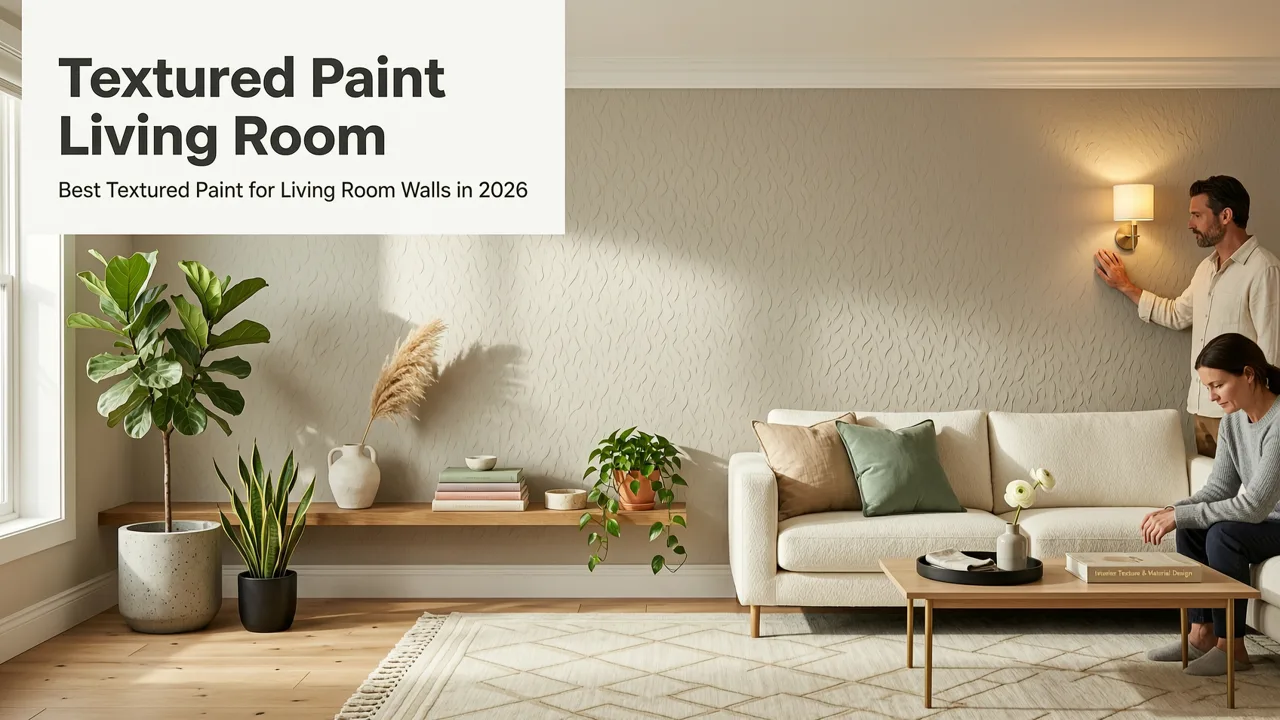
If you have been searching for the best textured paint for living room walls, you already know that flat finishes no longer cut it. Homeowners, renters, and designers in 2026 are gravitating toward walls with depth, character, and tactile interest — and textured paint delivers all three without the cost or commitment of wallpaper, paneling, or Venetian plaster. The good news? You can now test these finishes on your actual living room before buying a single gallon.
This guide breaks down the top textured paint products on the market, explains which finish suits different living room styles, and shows you how to preview each look using AI-powered visualization tools so you commit with confidence.
Why Textured Paint Is Trending in Living Rooms in 2026
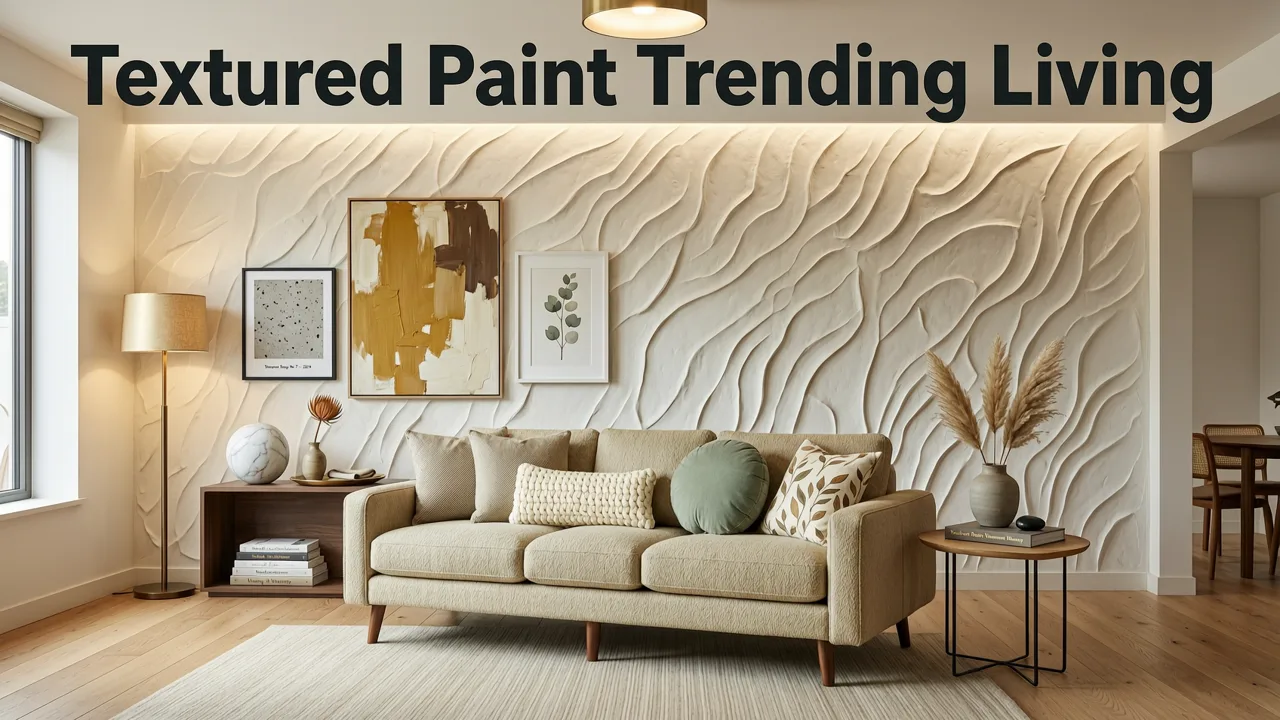
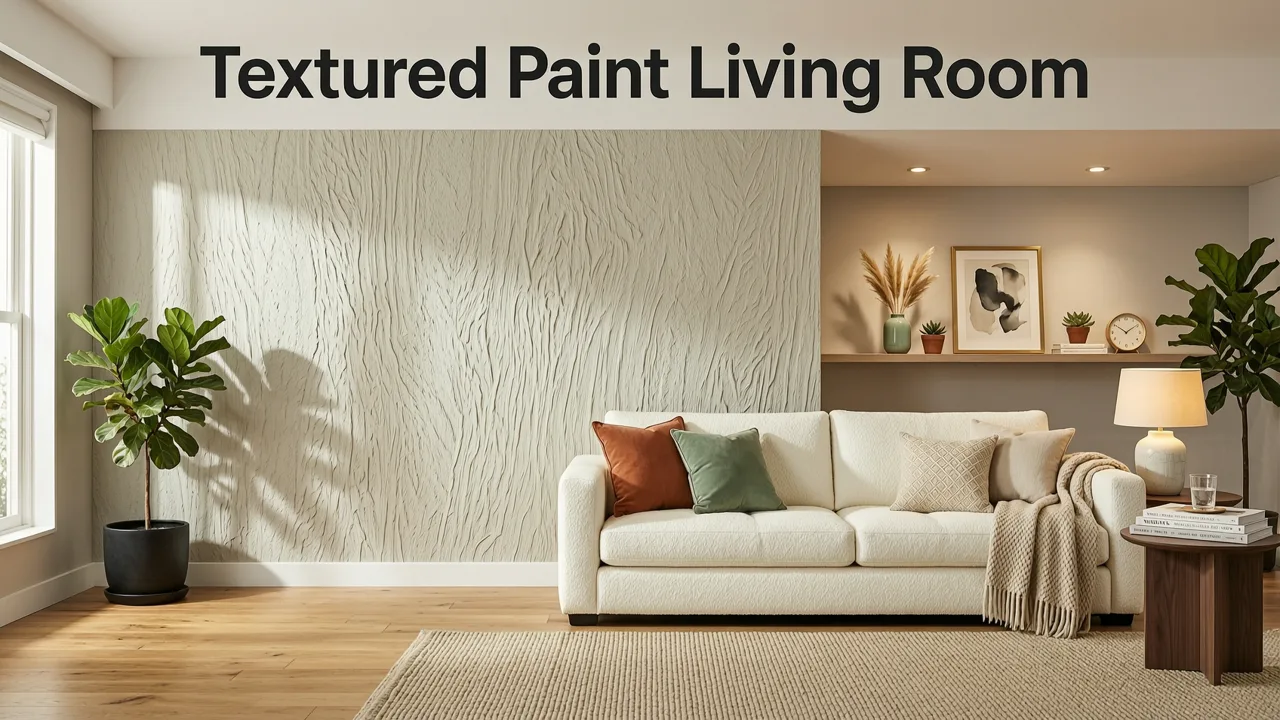
Textured paint has moved well beyond the popcorn ceilings of the 1970s. Modern formulations offer refined, intentional textures — from subtle sand finishes to dramatic metallic sheens — that add visual warmth and acoustic dampening to open-plan living spaces.
How to Texture a Wall (7 options) Do It Yourself
by Your New House
Several factors are driving this trend:
- Design fatigue with flat walls. After years of minimalist, all-white interiors, homeowners want dimension. Textured paint provides that depth without overwhelming a room.
- Improved product quality. Paint manufacturers have refined particle sizes, binder systems, and application methods so textures look deliberate rather than accidental.
- DIY accessibility. Unlike traditional plasterwork, most textured paints can be rolled, troweled, or sprayed by confident amateurs.
- AI visualization tools. You can now upload a photo of your living room and see exactly how a specific textured finish will look on your walls — no sample boards, no guesswork.
What Exactly Is Textured Paint?
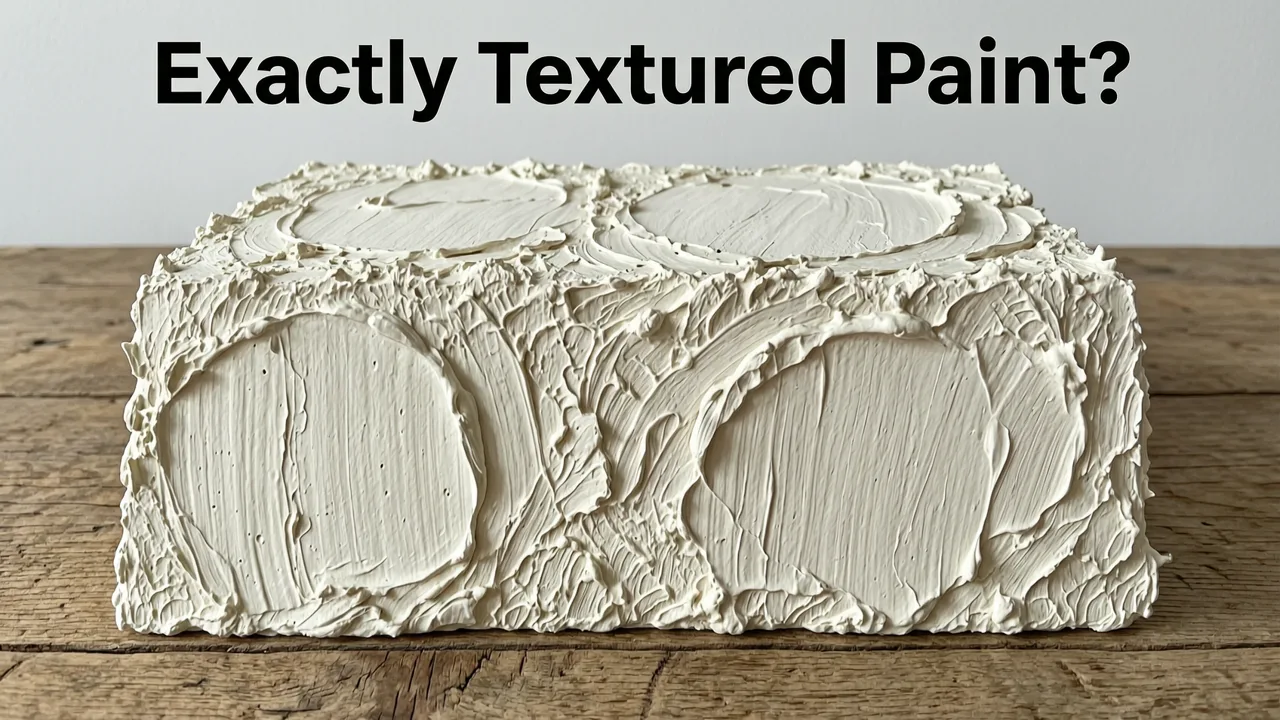
Textured paint is a coating that contains added particles — sand, silica, marble dust, synthetic beads, or metallic flakes — suspended in a binder. When applied, these particles create a raised or patterned surface that catches light differently than a smooth finish would.
There are two broad categories:
Pre-Mixed Textured Paints
These come ready to use straight from the can. The texture is built into the formula. You simply apply it with a roller, trowel, or spray gun. Brands like Homax, Rust-Oleum, and Magnolia Home offer pre-mixed options in various grit levels.
Additive-Based Textures
These are separate granular products you mix into standard paint. They give you more control over the final texture intensity. Sand texture additives, for instance, let you dial the grit from fine to coarse depending on how much you add.
Top Picks for the Best Textured Paint for Living Room Walls
After evaluating product formulations, user reviews, finish quality, and suitability for living room environments, here are the standout options in 2026.
| Product | Texture Type | Best For | Application Method | Price Range |
|---|---|---|---|---|
| Magnolia Home by Joanna Gaines Textured Finish | Subtle lime-wash effect | Modern farmhouse, organic minimalist | Roller or brush | $$ |
| Rust-Oleum Specialty Stone Textured Spray | Fine stone-like grit | Accent walls, contemporary spaces | Spray can | $ |
| Homax Wall Texture (Roll-On) | Orange peel to knockdown | Traditional, budget-friendly makeovers | Roller with hopper | $ |
| Portola Paints Roman Clay | Smooth plaster-like | Luxury interiors, designer projects | Trowel | $$$ |
| Benjamin Moore Aura Grand Entrance (with additive) | Customizable sand finish | Transitional and eclectic styles | Roller | $$ |
| Farrow & Ball Limewash | Cloudy, velvety limewash | European-inspired, heritage homes | Specialty brush | $$$ |
How to Choose the Right Texture for Your Living Room
Not every textured paint works in every living room. The right choice depends on your room's size, lighting, existing decor, and the mood you want to create.
Consider Room Size and Ceiling Height
Heavy textures can make a small living room feel cave-like. If your space is compact, opt for a fine-grit sand finish or a soft limewash that adds subtle dimension without visual bulk. Larger rooms with high ceilings can handle bolder textures like skip-trowel or stone finishes.
Match Texture to Your Lighting
Textured surfaces interact dramatically with light. Rooms with abundant natural light will show every ridge and valley — which can be stunning or overwhelming depending on the texture scale. South-facing rooms benefit from softer textures that diffuse harsh midday glare. North-facing rooms with cooler light pair well with warm-toned limewash or sand finishes that add warmth.
Think About Your Furniture and Decor Style
A heavily textured wall competes for attention. If your living room features bold furniture, statement art, or patterned textiles, a subtle texture will complement without clashing. Conversely, a room with minimal furnishings can use a dramatic textured wall as the focal point.
Application Tips for the Best Results
Even the best textured paint for living room walls will underperform if applied incorrectly. Follow these guidelines for a professional-looking finish.
Prepare the Surface Thoroughly
Textured paint highlights imperfections rather than hiding them. Fill holes, sand rough spots, and apply a quality primer before texturing. If you are applying texture over existing paint, make sure the surface is clean, dry, and free of gloss.
Work in Consistent Sections
Unlike flat paint, textured finishes show lap marks and overlap lines. Work in manageable sections, maintaining a wet edge, and apply consistent pressure. For trowel-applied products like Portola Roman Clay, practice your technique on a sample board first.
Control Your Environment
Temperature and humidity affect drying time, which directly impacts texture appearance. Most textured paints perform best between 60°F and 80°F with moderate humidity. Avoid fans or open windows that create uneven drying.
Use the Right Tools
Each texture type demands specific tools. Thick nap rollers (3/4 inch or more) work for sand-textured paints. Specialty trowels are essential for plaster finishes. Spray textures require the correct nozzle and pressure settings. Check the manufacturer's recommendations before starting.
Visualize Before You Commit: AI-Powered Paint Previews
One of the biggest challenges with textured paint is that swatches and sample pots rarely convey the full effect. The texture scale, how light interacts with the surface, and how the color shifts across ridges — none of this translates well to a tiny chip on a store rack.
This is where AI visualization tools change the game. By uploading a photo of your actual living room, you can see photorealistic previews of different textured finishes on your walls in seconds. No designer consultation, no 3D modeling software, no wasted paint.
With tools like the Sherwin Williams Pure White AI Preview, you can stress-test how even a clean white base coat looks under your room's specific lighting conditions before adding texture on top. And if your living room connects to other spaces, you can explore how your textured accent wall coordinates with adjacent rooms — for instance, testing the best green paint for small bedroom spaces visible through doorways to ensure a cohesive flow.
The workflow is simple:
- Take a well-lit photo of your living room from a straight-on angle.
- Upload it to an AI interior design platform.
- Select your desired texture style and color.
- Review the photorealistic preview and iterate until the look feels right.
This approach eliminates the most expensive mistake in home renovation: committing to a finish you cannot return.
Textured Paint vs. Alternatives: Which Is Right for Your Living Room?
Textured paint is not the only way to add wall dimension. Here is how it compares to other popular options.
| Option | Cost | DIY Difficulty | Longevity | Reversibility |
|---|---|---|---|---|
| Textured Paint | $–$$ | Moderate | 10+ years | Requires sanding to remove |
| Wallpaper (textured) | $$ | Moderate | 10–15 years | Peelable options available |
| Venetian Plaster | $$$ | High (professional recommended) | 20+ years | Very difficult to remove |
| Wall Panels (wood, PVC) | $$–$$$ | Moderate to high | 15+ years | Removable but leaves adhesive residue |
| Limewash | $$–$$$ | Moderate | 10+ years | Can be painted over |
Textured paint wins on cost and accessibility. It offers genuine tactile depth at a fraction of the price of plasterwork, and most products are manageable for a weekend DIY project. Limewash is a strong runner-up for those who want an artisanal, old-world look, though it requires more technique to apply evenly.
Color Considerations for Textured Living Room Walls
Texture amplifies color. A shade that looks neutral on a smooth wall can appear more saturated or more muted once texture catches light across its surface. Keep these principles in mind:
- Warm tones (terracotta, sand, warm greige) enhance the tactile quality of texture and create cozy, enveloping spaces.
- Cool tones (slate blue, soft gray, sage) pair beautifully with limewash and plaster finishes for a serene, gallery-like feel.
- Neutrals (off-white, cream, taupe) let the texture do the talking without introducing color drama.
- Dark tones (charcoal, navy, forest green) make texture shadows more pronounced, adding moody depth — ideal for media rooms or evening-focused living spaces.
If you are extending your design vision beyond the living room, AI tools can help you maintain cohesion across your entire home. For outdoor spaces, the Free AI Garden Planner lets you visualize how your interior color story flows to exterior walls and landscaping, and you can explore comprehensive approaches using the How to Design Backyard with Photo guide.
Maintenance and Durability of Textured Paint
Textured walls are generally more durable than smooth walls in high-traffic living rooms. The surface hides minor scuffs, fingerprints, and wear patterns that would be obvious on a flat finish. However, maintenance differs:
- Cleaning: Use a soft brush attachment on your vacuum to remove dust from crevices. For spot cleaning, dab gently with a damp cloth — vigorous scrubbing can flatten the texture over time.
- Touch-ups: Matching texture on touch-up areas is challenging. Keep leftover paint sealed and labeled, and practice your application technique so repairs blend seamlessly.
- Repainting: You can paint over textured walls, but the new coat will not eliminate the underlying texture. Plan to either embrace the existing texture or budget for sanding if you want a smooth surface again.
Common Mistakes to Avoid
Even experienced DIYers stumble with textured paint. Watch out for these pitfalls:
- Skipping the primer. Texture adheres poorly to glossy or unsealed surfaces. Always prime first.
- Overworking the texture. Once you start applying texture, commit to the pattern. Going back to rework areas creates visible seams.
- Ignoring the ceiling and trim. A textured wall demands clean, crisp trim and a considered ceiling finish to look intentional rather than incomplete.
- Choosing texture based on a tiny sample. This is exactly why AI visualization exists. A small swatch cannot replicate how texture plays across an entire wall under real lighting conditions.
- Applying in poor conditions. High humidity, extreme temperatures, or direct airflow will compromise the finish.
Where to Buy the Best Textured Paint for Living Room Projects
Most of the products listed above are available through major paint retailers, home improvement stores, and direct from manufacturer websites. For specialty finishes like Portola Paints or Farrow & Ball Limewash, check for authorized dealers in your area or order samples online before committing.
Always order a sample pot and test on a poster board or spare drywall section. Then, upload that test surface to an AI visualization tool alongside your living room photo to evaluate the full effect.
Final Thoughts on Choosing the Best Textured Paint for Your Living Room
The best textured paint for living room walls in 2026 is the one that matches your room's proportions, lighting, and design vision — and that you can preview realistically before application. Whether you choose a subtle sand finish for understated warmth, a limewash for old-world elegance, or a bold plaster for dramatic impact, the key is to visualize first and commit second.
AI-powered design tools have eliminated the guesswork that used to make textured paint a risky choice. Upload your photo, explore your options, and walk into the paint store knowing exactly what your living room will look like. That is the smartest renovation move you can make this year.
Ready to see textured paint on your walls before you buy? Upload a photo of your living room to an AI interior design platform and generate photorealistic previews in seconds — no designer, no 3D software, just your real space reimagined.